




VW Reaches $1B Settlement for 3.0L Diesels
Volkswagen has reached an agreement to settle claims relating to its 3.0L V-6 TDI engines with a commitment to buy back a quarter of the vehicles, set aside $225 million toward emissions reduction, and pay $25 million to support the use of zero emission vehicles (ZEVs) in California.
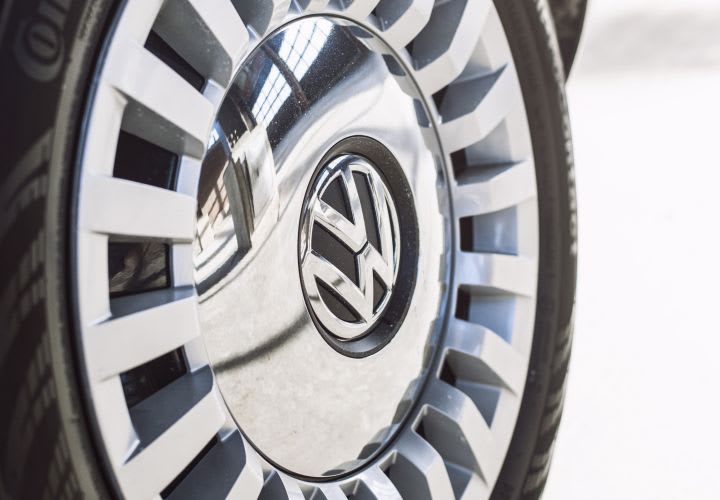
Photo courtesy of VW.

Photo courtesy of VW.
Volkswagen has reached an agreement to settle claims relating to its 3.0L V-6 TDI engines with a commitment to buy back a quarter of the vehicles, set aside $225 million toward emissions reduction, and pay $25 million to support the use of zero emission vehicles (ZEVs) in California.
The settlement, which is still pending final approval, is expected to cost Volkswagen $1 billion, reports the Associated Press. In October, Volkswagen agreed to settle claims around its 2.0L engine for $14.7 billion.
The Dec. 20 settlement covers about 83,000 Volkswagen, Audi, and Porsche vehicles. About 20,000 vehicles would be eligible for buy-backs, and Volkswagen has said it could bring 63,000 vehicles into compliance.
Volkswagen will also pay $225 million to an environmental trust that was set up as part of the earlier settlement. In October, Volkswagen agreed to contribute $2.7 billion to the trust. About $41 million will go to the California Air Resource Board (CARB), according to the board.
And lastly, Volkswagen will provide $25 million to CARB by July 1. The money will be used to expand initiatives such as replace-and-upgrade programs for heavy polluting vehicles in disadvantaged communities and the Clean Vehicle Rebate Project that provides rebates and financial assistance for purchasing ZEVs.
Vehicles covered by the 3.0L settlement include 2009 to 2016 model-year Touareg, 2009- to 2015-MY Audi Q7 and 2013- to 2016-MY Porsche Cayenne Diesel. Other models include 2014-MY, 2015-MY, and 2016-MY Audi models including the A6, A7, A8, A8L, and Q5.
"This settlement highlights the fact that cheating to get a car certified has consequences for air quality and the public's health — and that cheaters will be caught and held accountable," said Richard Corey, CARB's executive officer. "Because California is able to enforce its vehicle regulations, CARB was instrumental in uncovering the cheating in the 3-liter, and before that, in the 2-liter, diesel engines. The mitigation in this settlement will now help California address its serious air quality and climate challenges with a focus on putting the very cleanest vehicles in disadvantaged communities where they are needed most."
U.S. district court Judge Charles R. Breyer must still approve the 3.0L settlement.
More Green Fleet

Merchants Fleet Reports 290M EV Miles as Fleets Navigate Changing Electrification Market
From millions in operating savings to hundreds of millions of EV miles, Merchants Fleet’s latest report reveals what’s working and what’s changing in fleet electrification.
Read More →
The EV Breakdown Nobody's Talking About: Why Most Electric Vehicle Roadside Calls Aren't Mechanical Failures
Here's why EV breakdowns are widely misunderstood.
Read More →
ChargePoint Now Available in Energy Pass
ChargePoint and additional planned charging network integrations were added to GM's Energy Pass.
Read More →

First Look: Slate Auto's Electric Fleet Pickup
Could an affordable, modular EV pickup make electrification more practical for fleets?
Read More →
Slate Debuts Colorful, Unique EV Models
A recent media and client event, studded with electric vehicles dressed up on platforms, planted a new position for the manufacturer in the wider EV market. Fleets will find cost-saving advantages.
Read More →
Slate Electric SUV, Pickup Switchable Model Aims For Light-Duty Fleets
Everything about this EV is counterintuitive and understated, making it stand out from the crowd.
Read More →
Inspiration Mobility Acquires Key Electrada Assets
Inspiration Mobility Group has acquired select assets of Electrada, adding the fleet electrification provider's team, technology, and charging infrastructure development capabilities to its energy management business.
Read More →
Turning Connected Vehicle Data Into Decisions That Matter
Fleet leaders have more data than ever, but turning that data into clear, actionable decisions remains a challenge. This white paper shows how leading organizations are using connected vehicle data to improve safety, reduce costs, and optimize fleet performance. Learn how to turn insight into action across your fleet.
Read More →
Are You Tracking Your Fleet's True Total Cost of Ownership?
Bobit Business Media surveyed 190 fleet professionals and found that while most fleets are tracking costs, fragmented systems and data gaps are keeping true TCO visibility out of reach. With rising pressure to control spend in an increasingly volatile environment, the gap between what fleets think they know and what the data actually shows is wider than you might expect. See how your peers are managing costs today and where the industry still has room to improve.
Read More →