




FedEx Boosts Fleet Fuel Efficiency
FedEx hopes to increase fuel efficiency in its vehicle fleet by 30% by 2020 by increasing the number of alternative-fuel vehicles, shifting freight trips to rail, and optimizing routing, according to the company's 2016 sustainability report.
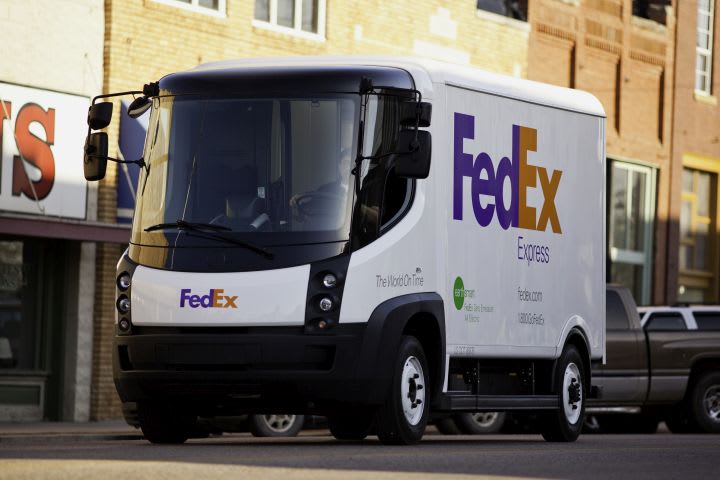
Photo of electric delivery van courtesy of FedEx.
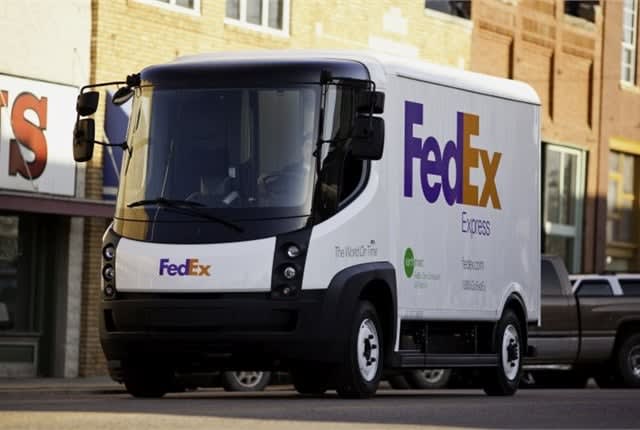
Photo of electric delivery van courtesy of FedEx.
FedEx hopes to increase fuel efficiency in its vehicle fleet by 30% by 2020 by increasing the number of alternative-fuel vehicles, shifting freight trips to rail, and optimizing routing, according to the company's 2016 sustainability report.
At the same time, FedEx increased fuel usage and greenhouse gas emissions in fiscal-year 2015, according to the company's 2016 Global Citizenship Report. Vehicle fuel use increased to 39,717 gallons from 38,458, while metric tons of carbon-dioxide emissions increased to 2.78 million from 2.68 million.
"Our first priority is to reduce overall mileage by optimizing routes so that our entire vehicle fleet travels the minimum miles needed to deliver our services," said Russ Musgrove, managing director of FedEx Express Global Vehicles. "But reducing overall mileage is just the first step. Replacing vehicles is next, so we’ve also introduced more efficient models with 4-cylinder, sub-3-liter diesel engines — which are much more fuel efficient — and maximized fuel economy by reprogramming vehicles to run at optimal levels for their weight and load."
FedEx nearly doubled the number of alternative fuel vehicles in its global fleet of more than 50,000 vehicles during the 2015 fiscal year. FedEx reported 1,892 hybrid, electric, natural gas, propane autogas, and hydrogen vehicles. The company reported 1,001 such vehicles at the end of the 2014 fiscal year.
The company has been testing cargo tow tractors powered by hydrogen fuel cells.
FedEx also replaced less-fuel-efficient models with Mercedes-Benz Sprinter vans and Isuzu Reach step vans. In FY-2015, FedEx added almost 2,800 Isuzu Reach vans, which are 30-50% more efficient that outgoing models, and more than 400 Sprinter vans, which are at least 70% more efficient that what they replaced. FedEx now counts more than 9,500 Sprinters.
During the year, FedEx Ground completed on-road testing of aerodynamics technology designed for drop-frame trailers. FedEx Express saved 20.8 million gallons of fuel and avoided 214,000 metric tons of carbon-dioxide emissions.
The FedEx Freight division increased rail usage in FY-2015 by 10.4% that achieved a net savings of more than 20 million gallons of diesel. The move helped FedEx avoid 207,000 metric tons of carbon-dioxide emissions, and increase fuel efficiency by 1.8%.
FedEx has been optimizing its operations by matching vehicles to the route to reduce "empty" miles when trucks travel with less-than-optimal loading.
FedEx has been using fuel-conserving technologies such as automatic transmission and trailer skirts that minimize drag, as well as diagnostic equipment. FedEx also uses techniques such as idle reduction and speed control to conserve fuel.
Read the full report here.
More Green Fleet
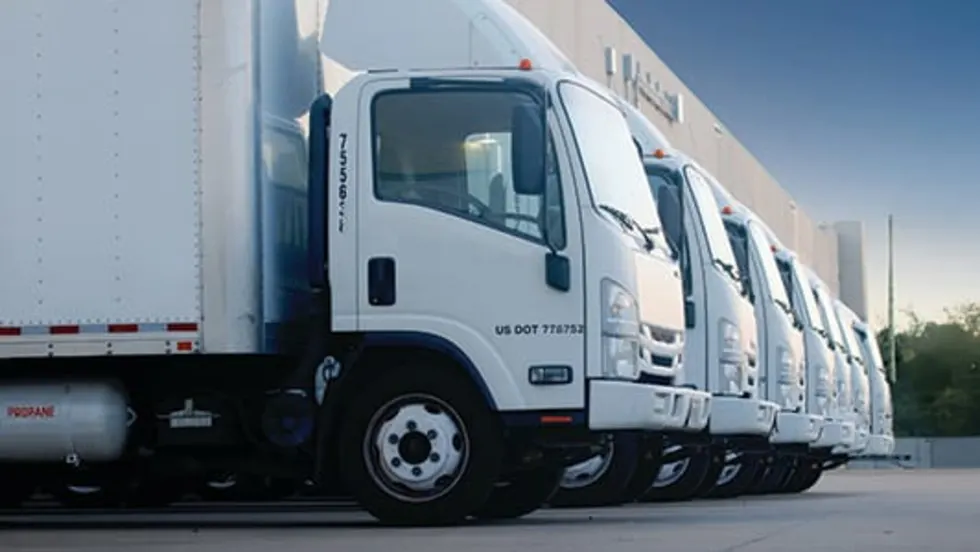
New Propane Autogas Program Offers Fleet Compensation
Qualified commercial fleets can receive $7,500 per eligible propane autogas vehicle and up to $10,000 for new refueling site prep. Learn how the program works and see whether your fleet qualifies.
Read More →
EV Charging Use Is Outpacing Infrastructure Growth
ChargePoint’s 2026 Charging Forward Report points to rising charger use, higher-powered charging, commercial vehicle electrification, and energy-management technology. Here’s what fleets should know.
Read More →
Merchants Fleet Reports 290M EV Miles as Fleets Navigate Changing Electrification Market
From millions in operating savings to hundreds of millions of EV miles, Merchants Fleet’s latest report reveals what’s working and what’s changing in fleet electrification.
Read More →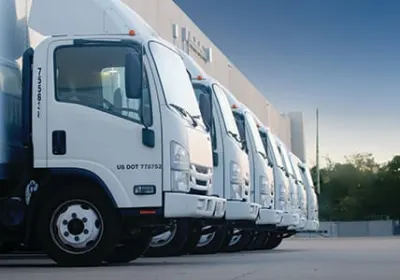
The EV Breakdown Nobody's Talking About: Why Most Electric Vehicle Roadside Calls Aren't Mechanical Failures
Here's why EV breakdowns are widely misunderstood.
Read More →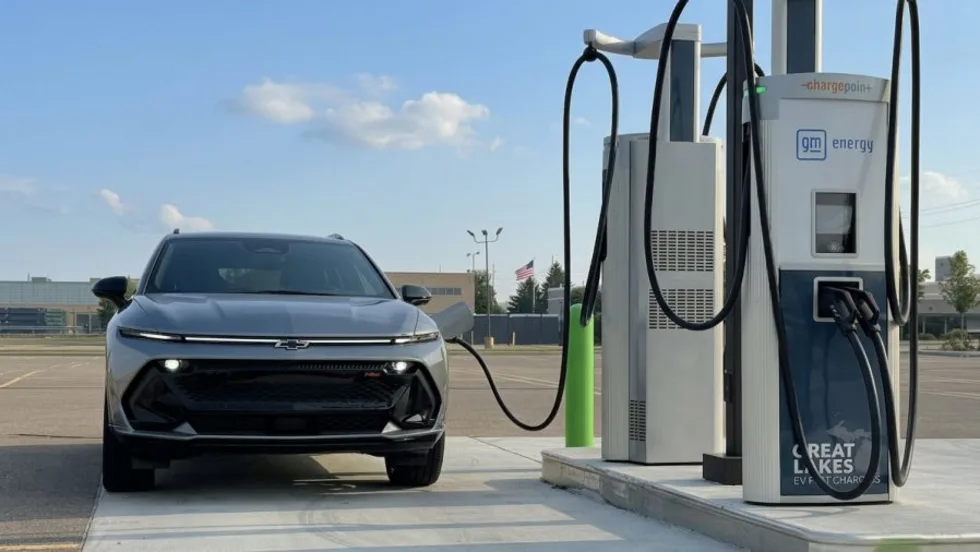
ChargePoint Now Available in Energy Pass
ChargePoint and additional planned charging network integrations were added to GM's Energy Pass.
Read More →

First Look: Slate Auto's Electric Fleet Pickup
Could an affordable, modular EV pickup make electrification more practical for fleets?
Read More →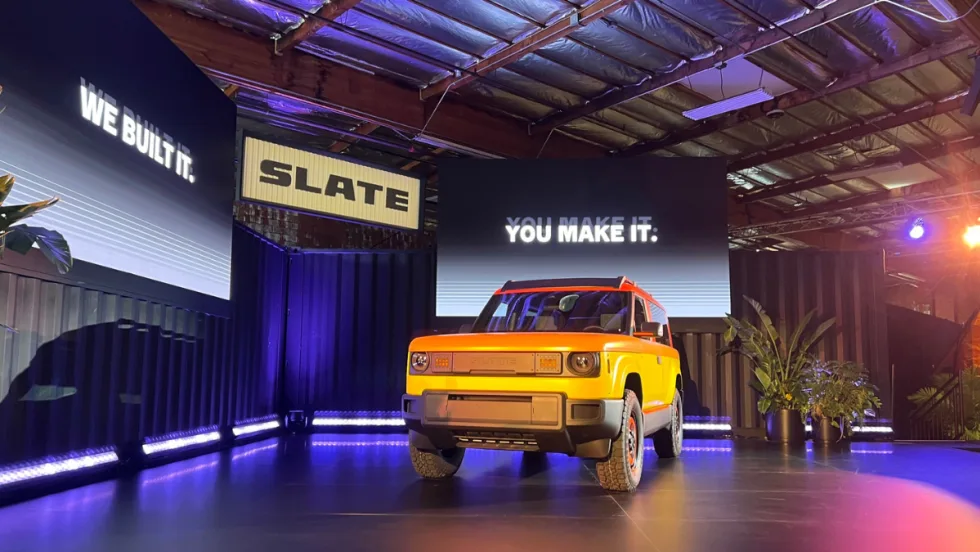
Slate Debuts Colorful, Unique EV Models
A recent media and client event, studded with electric vehicles dressed up on platforms, planted a new position for the manufacturer in the wider EV market. Fleets will find cost-saving advantages.
Read More →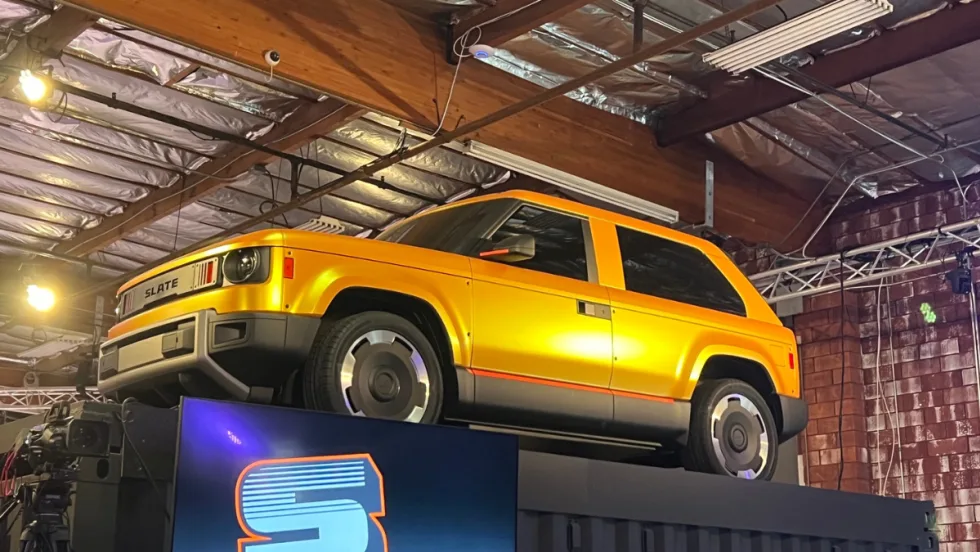
Slate Electric SUV, Pickup Switchable Model Aims For Light-Duty Fleets
Everything about this EV is counterintuitive and understated, making it stand out from the crowd.
Read More →
Inspiration Mobility Acquires Key Electrada Assets
Inspiration Mobility Group has acquired select assets of Electrada, adding the fleet electrification provider's team, technology, and charging infrastructure development capabilities to its energy management business.
Read More →