




Road Deaths Rise by Largest Percent in 50 Years
Preliminary estimates from the National Safety Council show an 8% increase in 2015 compared to 2014.
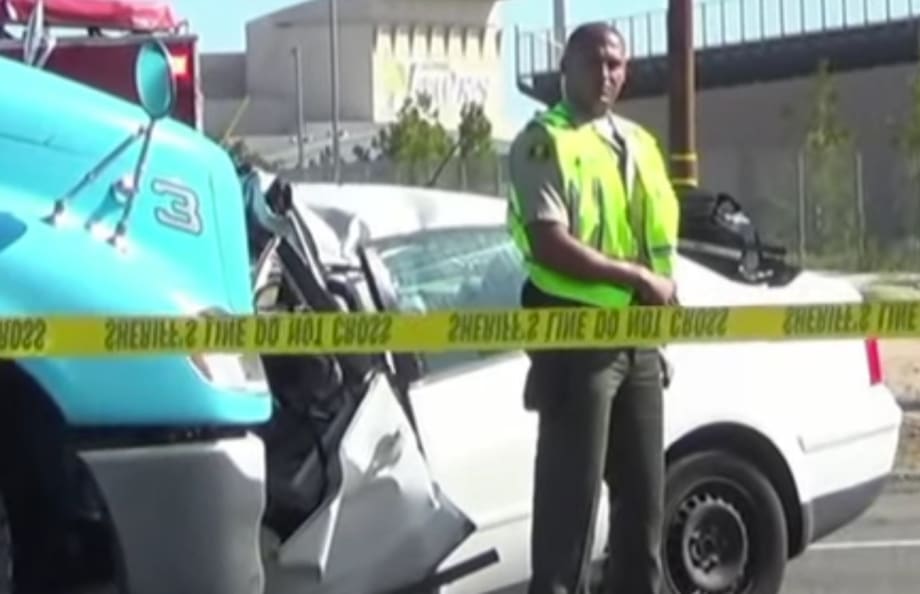
According to the National Safety Council, 2015 was likely the deadliest driving year since 2008. Screen shot courtesy of LoudLabs News/YouTube.

According to the National Safety Council, 2015 was likely the deadliest driving year since 2008. Screen shot courtesy of LoudLabs News/YouTube.
Preliminary estimates from the National Safety Council indicate motor vehicle deaths were 8% higher in 2015 than they were in 2014 — the largest year-over-year percent increase in 50 years.
The National Safety Council estimated 38,300 people were killed and 4.4 million were seriously injured on U.S. roads in 2015. That means 2015 was likely was the deadliest driving year since 2008.
Over the past year at the state level, the National Safety Council estimates Oregon (27%), Georgia (22%), Florida (18%), and South Carolina (16%) all experienced increases in fatalities. But only 13 states showed improvement. Among them were New Mexico (-20%), Kansas (-7%) and New Jersey (-2%).
"These numbers are serving notice: Americans take their safety on the roadways for granted," said Deborah A.P. Hersman, president and CEO of the National Safety Council. "Driving a car is one of the riskiest activities any of us undertake in spite of decades of vehicle design improvements and traffic safety advancements. Engage your defensive driving skills and stay alert so we can reverse this trend in 2016."
The estimate is subject to slight increases or decreases as data mature, NSC said. The organization has issued annual traffic fatality estimates since 1921. Over the past three years, preliminary estimates have fallen within 1% of final counts.
While many factors likely contributed to the fatality increase, NSC noted, a stronger economy and lower unemployment rates are probably at the core of the trend. Average gas prices were 28% lower in 2015 than in 2014 and are projected to continue dropping this year. As a result, driving was more affordable for many Americans. The U.S. Department of Transportation estimated a 3.5% increase in the number of miles driven in 2015 compared to 2014.
To promote safe driving, the National Safety Council advises drivers to:
Make sure every passenger buckles up on every trip
Designate an alcohol and drug-free driver or arrange alternate transportation
Get plenty of sleep and take regular breaks to avoid fatigue
Never use a cell phone behind the wheel, even hands-free
Stay engaged in teens' driving habits, since teens are three times as likely to crash as more experienced drivers.
Supplemental estimate information can be found here.
More Safety
IIHS Crash Avoidance Tests Reveal Safety Gaps in Cargo Vans and Work Trucks
New crash-avoidance ratings from the Insurance Institute for Highway Safety reveal inconsistent performance among commercial vehicles, with several popular cargo vans and heavy-duty pickups struggling to avoid collisions with other vehicles and pedestrians.
Read More →
What’s Next for Fleet? Safety, AI & Industry Recognition | AF News Recap
Could your company's culture be encouraging distracted driving? This week, we're exploring how workplace expectations affect driver safety, what AI, EVs, and autonomous vehicles could mean for the future of fleet management, and how fleet professionals can strengthen their award nominations.
Read More →
Does Your Fleet's Culture Encourage Distracted Driving?
What happens when the people responsible for enforcing safety rules are the ones setting the wrong example? The answer may reveal why some of the biggest risks to fleet drivers have little to do with what's written in the employee handbook.
Read More →
Fleet Manager’s Ultimate Playbook: Navigating the New Standard in OEM Connectivity
Rising operating costs, driver safety concerns, and unplanned downtime are putting unprecedented pressure on modern fleets. Discover how fleet managers use embedded OEM connectivity and real-time vehicle data to cut TCO, prevent downtime, and protect drivers without aftermarket telematics hardware.
Read More →
From Driver Well-Being to EV Charging | AF News Recap
Mental health belongs in the fleet safety conversation. This week, we’re looking at five ways fleets can support employee well-being before a crisis, plus Holman’s expansion in Mexico, new one-day Fleet Forward passes, and why EV charging demand is outpacing infrastructure growth.
Read More →
Nexar-Nauto Merger Aims to Give Fleets Better Safety Intelligence Through Larger Driving Dataset
Stefan Heck tells Automotive Fleet that combining more than 10 billion miles of driving history with Nexar's AI models will give fleets deeper insights into driver risk and roadway conditions than either company could provide independently.
Read More →
Don't Wait for a Crisis: 5 Ways to Build Mental Health Into Your Fleet Safety Program
For Suicide Prevention Month, fleet and safety leaders have an opportunity to put mental health where it belongs: at the center of workplace safety.
Read More →
How Camera Data Can Strengthen a Fleet’s Insurance Renewal
Insights from a commercial insurance carrier and a broker show how fleets can turn video telematic data, driver coaching, and improved claims results into a stronger case at insurance renewal.
Read More →
The Safest Fleets Aren’t the Ones with the Most Technology
You’ve made the telematics investment. Here’s how to capture the other half of its value and build the safest fleet on the road.
Read More →
Hidden in Plain Sight: Fleet Compliance Risks
Fleet compliance isn't just about having policies — it's about consistently enforcing them. This practical guide reveals six hidden compliance risks common in public sector and shared fleet operations and outlines proven strategies to improve visibility, accountability, and audit readiness
Read More →