





Related: The Reinvigorated Cargo Van Market
Hyundai Could Bring Commercial Van to U.S.
South Korean-based Hyundai announced it's making a big push in the commercial vehicle market, and published reports indicate it plans to introduce a van model into the U.S. market.
February 17, 2015
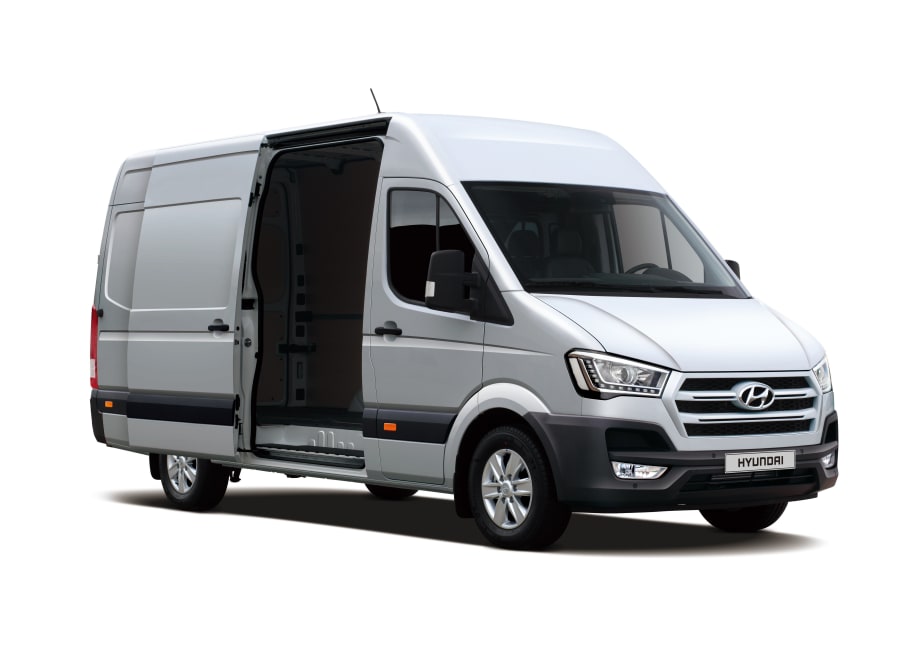
Hyundai is targeting the European market with the new H350. Photo courtesy Hyundai Motor.
2 min to read
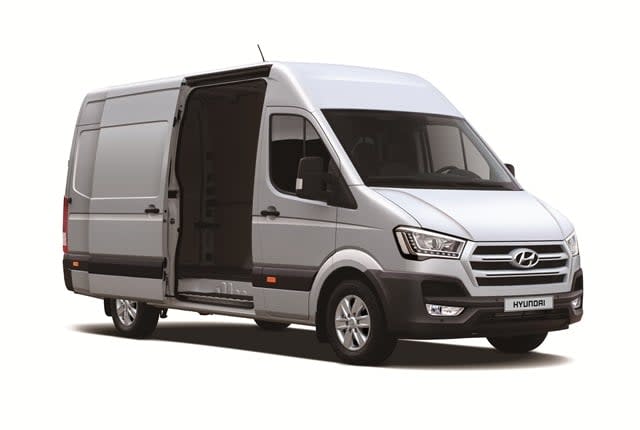
Hyundai is targeting the European market with the new H350.Photo courtesy Hyundai Motor.
South Korean-based Hyundai announced it's making a big push in the commercial vehicle market, and published reports indicate it plans to introduce a van model into the U.S. market.
Hyundai Monday announced that it will invest $1.8 billion over the next six years to expand its research and development in the commercial vehicle market, as well as vastly increase its production of commercial vehicles. Hyundai's current global market share of commercial vehicles is only about 2.1%. It is reported to be aiming at both developed and developing markets.
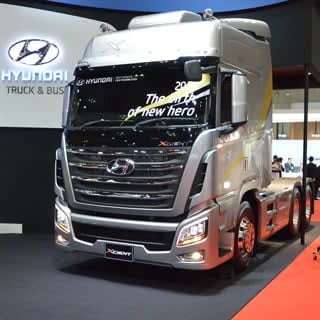
On display at the Tokyo Motor Show in 2013 was the new Hyundai XCient, launched into the South Korean market.Photo by Sven-Erik Lindstrand.
According to a published reports from Reuters and other sources, Hyundai, in a statement on Monday, also said it plans to introduce "premium models in North America and Europe." However, no other details or a time frame were forthcoming.
Hyundai recently started making heavy-duty trucks and tractors for the local market, but it's unlikely we would see a global-style Class 8 tractor here.
However, cargo vans are another story. The U.S. market has seen increasing popularity of Euro-style cargo vans, with models such as the Ford Transit and Ram ProMaster joining Daimler's Sprinter. Last fall at the bi-annual IAA commercial vehicle show in Germany, Hyundai unveiled its H350 light commercial vehicles, which it plans to start building in Turkey in March to enter the Western European market.
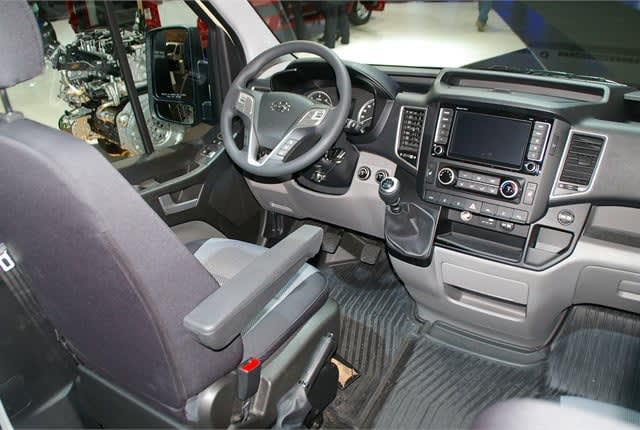
Interior of the H350 at IAA Commercial Vehicle Show in Germany last fall.
At the time the H350 was introduced, Autoblog reported that it looked unlikely the van would arrive on U.S. shores. "While a heck of a vehicle, this isn't anything we are seriously considering right now for the U.S. market," Jim Trainor, Hyundai Motor America's national manager of product public relations, told Autoblog.
However, that may have changed.
It's not the first time Hyundai has tried to enter the U.S. market with a commercial vehicle. In the late '90s, a company named Bering tried to manufacture and import a new line of Class 3-8 commercial trucks in partnership with Hyundai. Bering combined Hyundai's commercial vehicle platforms with U.S.-made drivetrain components.
A 2000 Bering LD15. The now-defunct company produced trucks in partnership with Hyundai.Photo by Mr. Choppers via Wikimedia Commons.
That arrangement ended badly, with Hyundai claiming Bering was unable to meet its warranty, parts and other obligations and had problems paying Hyundai for truck shipments. Bering said it was forced to shut down when Hyundai bailed out of its agreement with Bering in favor of an agreement with DaimlerChrysler. Lawsuits ensued, and in 2001 Hyundai announced it would be marketing a line of Class 4-6 trucks in the U.S. However, Hyundai suspended operations at the end of 2003, citing the difficulties in being a new entrant in a softening and competitive market.
More Operations

Here's When You Should Make an Exception to Fleet Policy
Fleet policies are designed to create consistency, but not every driver or situation fits neatly within standard rules.
Read More →
AI-Native or AI-Acquired: What Should Fleet Managers Look for in an AI Platform?
Six questions can help fleet managers look beyond AI marketing claims to evaluate integration, data access, and real-world operational performance.
Read More →
Sponsored•October 14, 2026
A buyer's guide to fleet management software in 2027
Buying fleet management software in 2027 means looking beyond features and price. As fleet operations, technology and expectations evolve, this guide explores what today’s fleet professionals should consider when choosing a system that can deliver value now and adapt to what comes next.
Read More →

What Will Shape the Next Era of Fleet Management?
EVs, AI, and autonomous vehicles are reshaping fleet management. Discover what’s ahead—and how fleet leaders can prepare for the next era.
Read More →
How Fleets Can Recruit and Train Veterans for Technician Roles
Here's how the technician shortage has affected uptime for fleets, and what to do about it.
Read More →
Avis Budget Group Deploys Neology Toll Management Technology Across Major Brands
Neology’s neoFleet platform will manage toll transactions and toll-authority operations for vehicles across Avis, Budget, Payless, Budget Truck and Zipcar.
Read More →
Fleet Personal-Use Charges Edge Higher in 2026
Nearly eight in 10 surveyed fleets allow personal use of company vehicles, while just over half of respondents report charging employees for the privilege.
Read More →
The Future of Fleet + What’s Changing Right Now | AF News Recap
Could developments overseas offer a preview of what’s coming for U.S. fleets? This week, we’re looking at the future of AI, autonomy, and electrification, plus Ford Pro’s new certified pre-owned program, smarter vehicle offboarding, and a new way for fleets to manage toll expenses.
Read More →
How to Handle Vehicle Offboarding
What do fleet managers need to do when a driver leaves?
Read More →
Sponsored•October 1, 2026
Fleet Manager’s Ultimate Playbook: Navigating the New Standard in OEM Connectivity
Rising operating costs, driver safety concerns, and unplanned downtime are putting unprecedented pressure on modern fleets. Discover how fleet managers use embedded OEM connectivity and real-time vehicle data to cut TCO, prevent downtime, and protect drivers without aftermarket telematics hardware.
Read More →