




About the Author: Chris Calabrese is VP of Company Store Operations for Valvoline Inc.’s east region, overseeing retail locations across the eastern U.S., as well as Canada. A Valvoline Inc. veteran of more than 30 years, he began his career as an entry-level service technician and rose through the ranks into senior leadership. Calabrese has played a key role in expanding the company’s retail footprint, standardizing oil change operations, and driving efficiencies that help deliver quick, easy, and trusted preventive maintenance services to millions of customers each year.
Winter Travel Is More Than Vehicle Readiness
Want to travel safely during the winter season? These steps might help.
by by Chris Calabrese
January 8, 2026
Aging cars are more susceptible to the pressures of cold temperatures. Freezing temperatures can affect tires, fluids, and airflow. Staying ahead of the game during the colder months is key to safety and comfort.
Image: Automotive Fleet
3 min to read
The holiday and winter season is a busy time for travelers, with millions of Americans hitting the roads and skies each year. In 2024, more than 119.3 million people traveled for the holidays, with that number expected to rise. With ongoing airport delays creating uncertainty, many are choosing to drive instead of flying. In a Valvoline Instant Oil Change (VIOC) survey of 1,000 Americans, 37% said they have already swapped flights for road trips this year, showing that getting home for the holidays is a top priority. Whether your trip is long or short, making sure your vehicle is ready for the journey is key to arriving safely.
The 5‑Minute Test to Know if Your Car Is Road‑Trip Ready or Begging for a Tune‑Up
Before heading to your family's house this holiday season, make sure your vehicle is ready for the trip. According to VIOC’s survey, 62% of drivers experience cold-weather breakdowns.
Avoid getting stuck with a last-minute car problem by taking a few simple steps. Plan to get an oil change, check your tire pressure and consider a rotation, and have your brakes and battery inspected. Top off windshield washer fluid as it’s critical when driving in inclement weather and make sure your lights and wipers are working for safe visibility. It’s also a good idea to pack an emergency kit with a first aid kit, flashlight, jumper cables, and a tire repair kit for extra peace of mind.
These quick preparations can help you travel confidently, avoid costly repairs, and keep everyone on the road safer this season. Whether it’s your personal vehicle or a commercial fleet, regular maintenance pays off.
What Freezing Temps Do to Aging Cars — and How to Prevent a Winter Breakdown
Cold weather puts extra strain on key vehicle systems, making preventative maintenance especially important, particularly as 42% of drivers admit they ignore weather warnings when plans feel urgent, according to VIOC data. Batteries are especially vulnerable in winter, with older ones more likely to fail when temperatures drop, potentially leaving drivers stranded. A proper battery check includes inspecting cables and contact points, cleaning corrosion from terminals, and applying lubrication to ensure reliable performance. Since most batteries last only three to five years, drivers should also check the manufacturing date on the battery case to gauge whether replacement may be needed before winter sets in.
Beyond the battery, cold temperatures can impact tires, fluids, and airflow, all of which affect safety and comfort. Tire pressure drops as the temperature falls, decreasing by about 1 PSI for every 10-degree Fahrenheit drop, which can lead to poor handling, reduced fuel efficiency, and faster tire wear if left unchecked. At the same time, clogged cabin air filters can cause weak heating and slow defrosting. Replacing dirty cabin air filters helps maintain strong airflow, better visibility, and a more reliable driving experience throughout the winter.
The Most Important Thing Drivers Forget Before a Long Drive (Until It's Too Late)
Regular oil changes are key to keeping your vehicle running smoothly, especially in extreme temperatures. Oil thickness, or viscosity, affects how well your engine performs. When cold, oil thickens and flows more slowly, putting extra strain on your engine and battery. In hot weather thins out, reducing lubrication. Most modern vehicles use multi-viscosity oil that adapts to temperature changes, running thinner when cold and thicker when warm, so you don’t have to switch types. Check your owner’s manual for your vehicle’s recommended oil, or ask a professional if you’re unsure.
Even with multi-viscosity oil, regular oil changes are still important. Over time, oil breaks down and can cause sluggish performance, especially in cold weather. Staying on schedule protects your engine and helps your vehicle last longer, especially as temperatures drop this holiday season. If you’re unsure which oil is right for your car, a technician at your local Valvoline Instant Oil Change center can guide you and get it done in 15 minutes or less.
Subscribe to Our Newsletter
More Vehicle Research
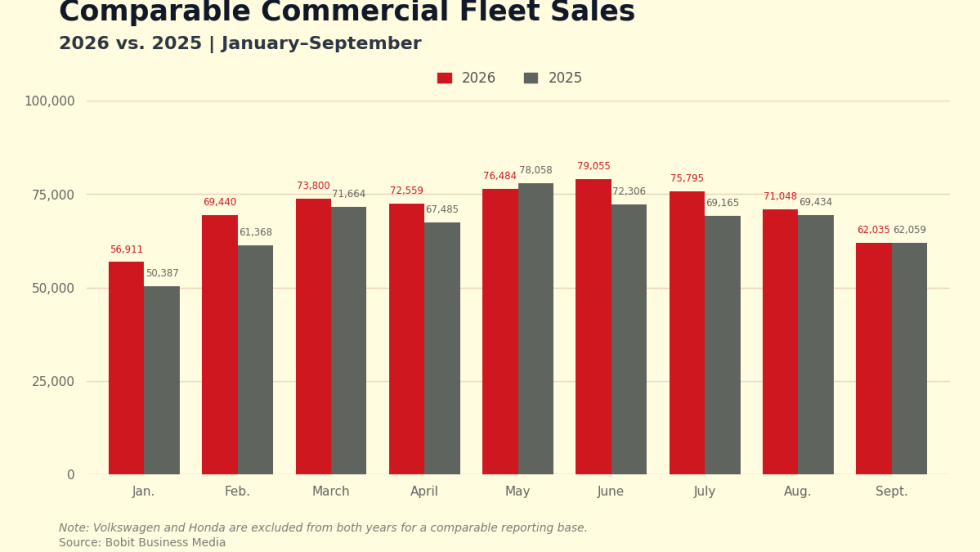
Commercial Fleet Sales Rise 5.8% Through September 2026
September commercial fleet sales were essentially unchanged from a year earlier, slowing year-to-date growth while keeping volume ahead of 2025.
Read More →
Hall of Fame Inductee: John Dmochowsky
The longtime Mondelēz International fleet executive joins the Automotive Fleet Hall of Fame.
Read More →
Hall of Fame Inductee: Lee Miller
After more than four decades at Boehringer Ingelheim, Lee Miller leaves a legacy built on fleet expertise.
Read More →
Hall of Fame Inductee: Mark F. Petersen
From managing fleets of thousands of vehicles to advancing safety and mentoring fellow professionals, Mark F. Petersen made his mark across both the corporate and supplier sides of fleet.
Read More →
When Charger Downtime Becomes a Fleet Availability Problem
As EV deployments move beyond pilot programs, charger reliability can directly affect vehicle readiness, driver productivity and route scheduling.
Read More →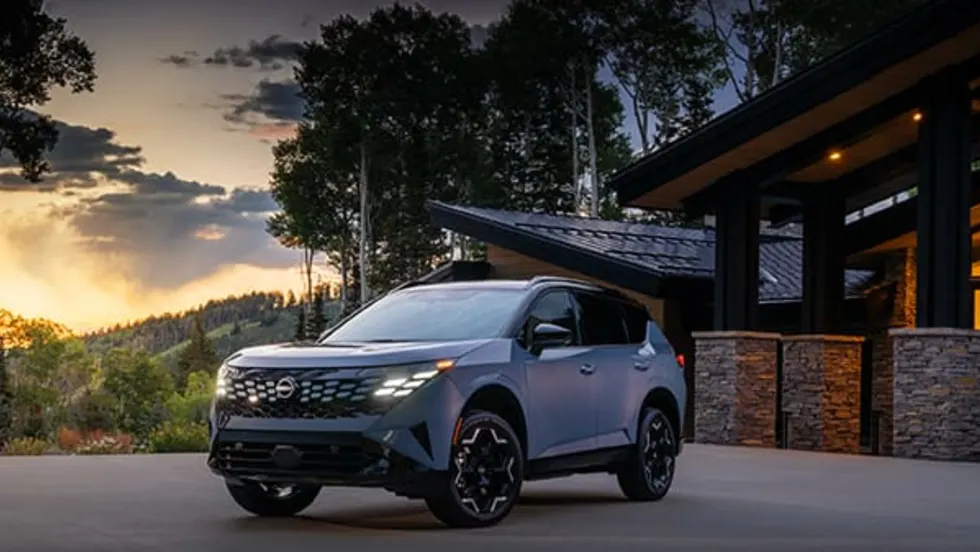
2027 Nissan Rogue Hybrid Adds e-POWER, Standard AWD
The new Rogue Hybrid uses Nissan’s e-POWER system with dual electric motors, offers an estimated 40 mpg and starts at $35,490.
Read More →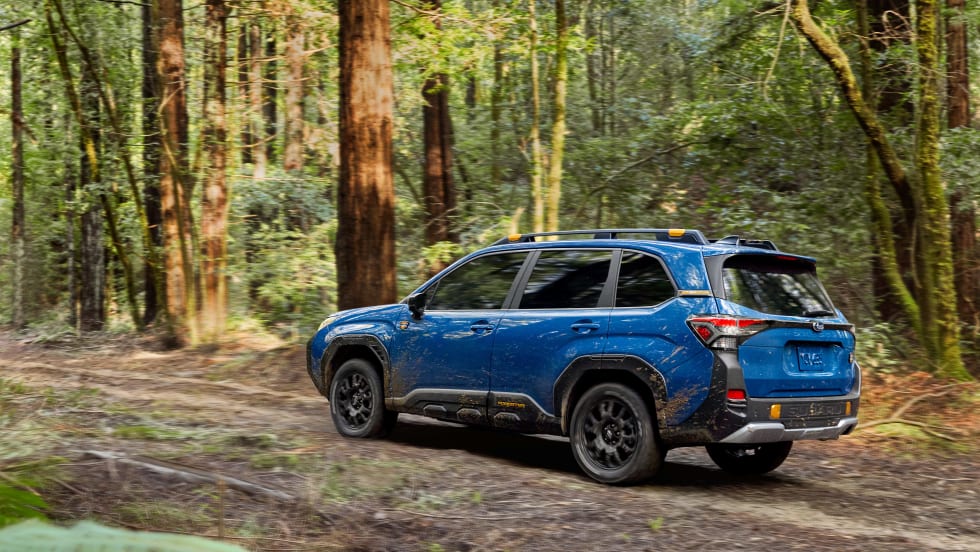
2027 Subaru Forester Adds First Wilderness Hybrid
The 2027 Forester lineup starts at $29,995 and adds a Wilderness Hybrid with 194 combined horsepower and 9.3 inches of ground clearance.
Read More →
EV Realty Names Henrik Holland President as Charging Platform Expands
The former Prologis Mobility and Shell executive will help expand EV Realty’s truck charging business and move its power-first infrastructure model into autonomous vehicle depots and other fleet sectors.
Read More →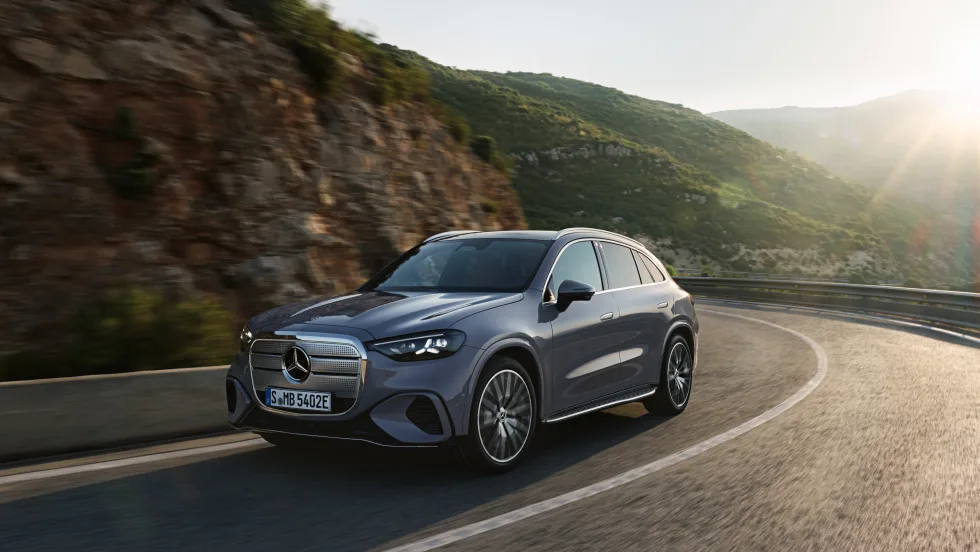
Mercedes-Benz Introduces Electric GLC With Up to 350 Miles of Range
The GLC 400 4MATIC Electric features an 800-volt architecture, 330-kW DC fast charging and a 94-kWh battery, along with Mercedes-Benz's new MB.OS operating system.
Read More →
Fleet Has a Talent Pipeline Problem, not a Talent Problem
Where will the next generation of fleet leaders come from, and what does the industry need to do differently to find them?
Read More →