





Learn More: Talking Diesel Aftertreatment Maintenance
How Can You Tell if Your Diesel Vehicle’s DPF Needs Cleaning?
There are six warning signs your diesel particulate filter (DPF) needs maintenance - and it's more than just the DPF light on the dashboard.
May 27, 2025
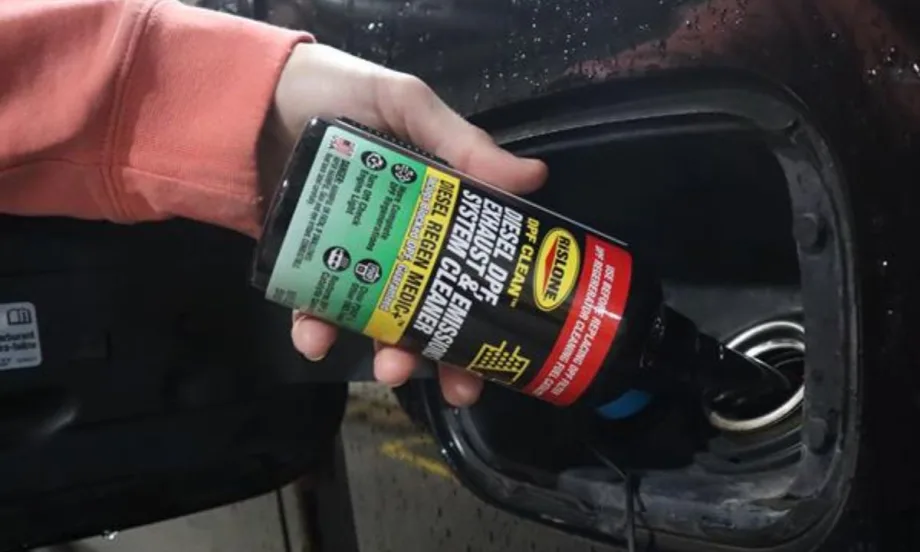
Cleaning your diesel particulate filter (DPF) regularly is paramount for proper vehicle function.
Photo: Rislone
2 min to read
Cleaning your diesel particulate filter (DPF) regularly is paramount for proper vehicle function.
The DPF plays a significant role in diesel vehicles’ aftertreatment systems, capturing and storing soot particles to reduce exhaust emissions.
Under normal conditions, DPFs are equipped with an automatic process, called regeneration, that burns off accumulated soot when the filter is full. However, DPFs in vehicles regularly driven at low speeds for short durations may never begin regeneration, causing a blockage in the filter.
Keeping the DPF clean helps maintain the vehicle’s fuel efficiency and reduces the potential for engine damage.
A clogged DPF may also affect drivability and cause the engine to overheat or be hard to start.
Here are six ways to tell if the DPF needs cleaning:
1. DPF Warning Light
A clear indication that the DPF is clogged is when the DPF warning lamp on the dashboard lights up. The general “check engine” light may also come on with some vehicles. Hooking up an OBD II reader may reveal a P242F or related trouble code.
2. Frequent Regeneration Cycles
If a diesel engine starts or undergoes regeneration more frequently than usual, it may indicate that the DPF is clogged and needs to be cleaned.
3. Increased Fuel Consumption
A clogged DPF forces the engine to work harder, which burns more fuel per mile. It’s generally less expensive to clean the DPF than it is to let a blocked DPF drive down fuel economy.
4. Loss of Power
A blocked DPF will restrict exhaust flow, which causes the engine to reduce acceleration, be less responsive, and have difficulty maintaining high speeds.
5. Limp Mode
If the DPF becomes clogged or fails to regenerate, it may trigger the vehicle to go into “limp mode” to prevent damage. While in limp mode, the vehicle’s power output is significantly reduced, its top speed is limited, auxiliary functions may be disabled, and it may be locked in a low gear.
6. Rough Idle
A clogged DPF can cause the engine to run rough or have trouble maintaining a steady idle.
“You don’t have to be a mechanic to keep your diesel vehicle’s DPF functioning properly,” says Clay Parks, vice president of development for Rislone, an engine treatment brand. “Modern vehicles make it pretty obvious when there’s an issue, and Rislone makes it easy to fix."
Rislone has formulated a blend of high-performance detergents and heavy-duty cleaning solvents are designed to scrub contaminants, soot, carbon build-up, and oily residue from the DPF and related parts.
DPF Cleancontains Rislone’s exclusive Diesel Regen Medic, an active DPF regeneration accelerator and cleaning fuel catalyst.
More Maintenance

Sponsored•October 1, 2026
Fleet Manager’s Ultimate Playbook: Navigating the New Standard in OEM Connectivity
Rising operating costs, driver safety concerns, and unplanned downtime are putting unprecedented pressure on modern fleets. Discover how fleet managers use embedded OEM connectivity and real-time vehicle data to cut TCO, prevent downtime, and protect drivers without aftermarket telematics hardware.
Read More →
How Can Fleet Managers Tell Which Repairs Require Closer Review?
Fleetio’s Brianna Perry demonstrates how Service Advisor evaluates maintenance requests, identifies pricing anomalies, and provides the context fleet managers need to focus their attention on potential problems.
Read More →
Why Roadside Assistance Belongs in a Fleet Risk Strategy
Roadside assistance is more than a tow. See how the right partner can protect drivers, uncover fleet trends, and strengthen your risk strategy.
Read More →
Sponsored•August 7, 2026
Hidden in Plain Sight: Fleet Compliance Risks
Fleet compliance isn't just about having policies — it's about consistently enforcing them. This practical guide reveals six hidden compliance risks common in public sector and shared fleet operations and outlines proven strategies to improve visibility, accountability, and audit readiness
Read More →
How Maintenance Costs Compare Across 27 Fleet Vehicles
Vincentric’s three-year, 60,000-mile projections reveal wide differences for both scheduled and unscheduled maintenance among selected vehicle categories. Projected maintenance visits also play a factor.
Read More →
The EV Breakdown Nobody's Talking About: Why Most Electric Vehicle Roadside Calls Aren't Mechanical Failures
Here's why EV breakdowns are widely misunderstood.
Read More →
How Stellantis Plans to Get Ahead of Fleet Downtime
Keeping fleet vehicles on the road has become as important as buying them. Darren Bradshaw of Mopar North America explains how connected vehicle data, AI, and proactive service strategies are helping Stellantis reduce downtime and move closer to predictive maintenance.
Read More →
Merchants Fleet Expands Maintenance Network with Pep Boys
Merchants Fleet has expanded its relationship with Pep Boys, increasing the service provider's role within its national maintenance network. The move is intended to enhance maintenance coordination and support commercial fleets through Pep Boys' nationwide footprint.
Read More →
The Two Biggest Summer Downtime Threats for Fleets
A conversation with a maintenance expert reveals the two most common summer maintenance pains and how to prevent them.
Read More →
From Marine Corps Motor Pool to Managing 460 Fleet Vehicles
Cesar Ayala of O’Connell Landscape Maintenance shares how he transitioned from the Marine Corps to managing a 460-vehicle fleet—and the real-world challenges of maintenance, compliance, and driver management in California.
Read More →