





CES 2025 Hot Takes Part 2: Connected, Personalized & AI-Powered
Ford Pro’s Commercial Vehicle Connectivity Takes Off
During NTEA Work Truck Week 2025, Ford Pro announced new solutions for fleets including a fleet start inhibit, top speed limiter, and more.
March 5, 2025
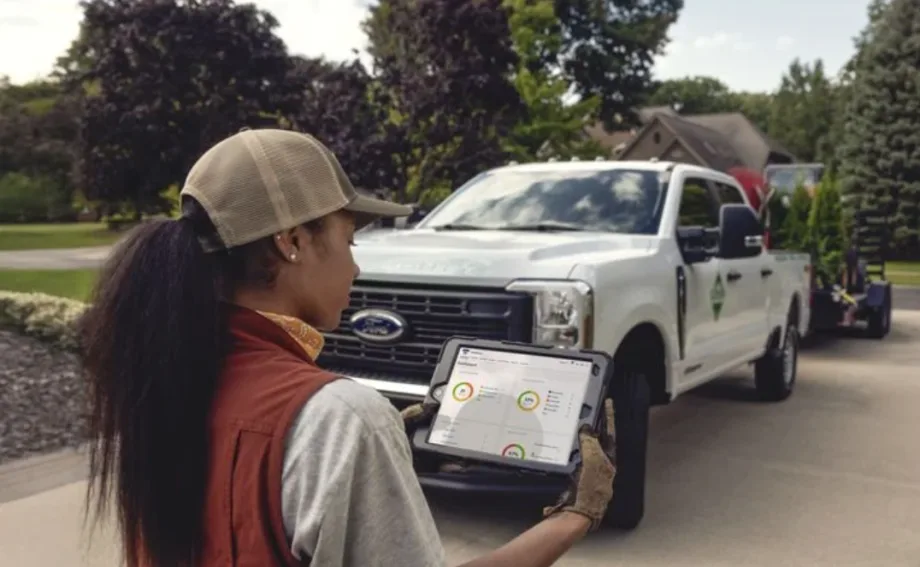
The resulting data from connected commercial vehicles can help fleet operators improve mobility, efficiency, and uptime.
Photo: Ford Pro
4 min to read
Ford Pro, the commercial division within Ford Motor Company, announced a 40% increase in connected commercial vehicles in the last two years, now totaling 5.2M in operation.
Recognized in 2024 as the #1 brand for Class 1-7 electric trucks and vans, Ford continues to offer customers the power of choice to select the right vehicle to get the job done with gas, diesel, hybrid, or electric powertrains.
When vehicles are connected, they can communicate with the internet, cloud services, and devices such as EV chargers, dashcams, and more. The resulting data from connected commercial vehicles can help fleet operators improve mobility, efficiency, and uptime.
“The demand for data in commercial vehicles is rapidly growing,” Dave Prusinski, chief revenue officer at Ford Pro Integrated Services.
“Acknowledging that our fleet customers operate a variety of powertrains, makes, and models, we are committed to ensuring our software solutions are compatible across all types. We’re maximizing the value of connectivity across every layer of fleet management to boost uptime,” Prusinski said.
How Fleets Benefit from Ford Pro Data
Ford Pro solutions combine data from connected vehicles — including components, sensors, dashcams, and EV chargers — to give subscribers a comprehensive view of their fleet.
The impact of data to maximize fleet utility is evident through Ford Pro’s In-Vehicle Coaching feature. Since June 2024, data from Ford Pro shows that fleets using this solution experienced:
Less idling with 52% lower average excessive idle minutes per trip, which can potentially lead to fuel savings.
Speeding violations were down by 25%, with lower average speeding over the limit per trip.
Less hard braking with 16% lower deceleration force and 11% less hard acceleration, which can help reduce wear and tear on vehicles.
A 73% drop in driver seatbelt violations on average per trip, helping promote improved driving practices.
“The insights provided by our solutions can help improve driving practices and help fleet managers make more proactive decisions like coaching drivers to idle less in their vehicles or better adhere to speed limits,” Prusinski said.
“Fleets today are more intelligent than ever. While customers have been able to receive information from vehicles, with our new capabilities, they can also now send commands to their vehicles to improve fleet operations,” Prusinski said. “We’re pushing the envelope of connectivity and building capabilities at the vehicle’s code level that seamlessly integrates with our software solutions. Our customers need to understand and control all aspects of their fleet vehicles. These new solutions will help them be ready for anything.”
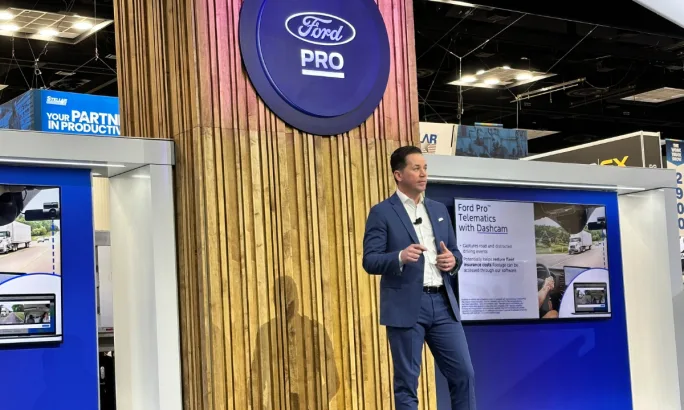
Matt Atkenson, executive director of Ford Pro North America, Sales and Operations, who has been in the role for four months, presented at the NTEA Work Truck Week Show.
Photo: Chris Brown
Ford Pro Expands Capabilities
Ford Pro’s newest capabilities redefine fleet management and change how commercial customers interact with their vehicles.
Expanded solutions that will be available later this year include:
Top Speed Limiter: This will allow fleet managers to remotely set a maximum speed limit on their fleet vehicles to help avoid speeding violations. The feature will be available in Ford Pro Telematics later this year on model year 2022 and newer F-150 Lightning, and model year 2023 and newerSuper Duty trucks. This new feature can help improve driver behavior by controlling speed limit adherence for millions of fleet vehicles on the road.
Acceleration Limiter: Also coming later this year in Ford Pro Telematics for F-150 Lightning, this new feature gives fleet managers remote management to control how quickly a vehicle accelerates to help reduce wear and tear and maximize vehicle longevity.
Fleet Start Inhibit: This allows fleet managers to help combat theft and unauthorized vehicle use. It can disable the vehicle by remotely prohibiting attempts to start the vehicle’s engine. This feature will be available later this year in Ford Pro Telematics on 2023 and newer F-Series Super Duty, 2023 E-Transit in Europe, 2024 F-150 gas and hybrid trucks, 2024 Transit and E-Transit vans, 2025 Explorer, 2025 Expedition, and 2025 Mustang Mach-E.
Remote Lock/Unlock: Fleet managers can now remotely lock or unlock any Ford vehicle in their fleet through Ford Pro Telematics, equipping them with virtual command and control of their fleet vehicles.
To learn more about the expanded suite of solutions from Ford Pro, visit FordPro.com.
More Telematics
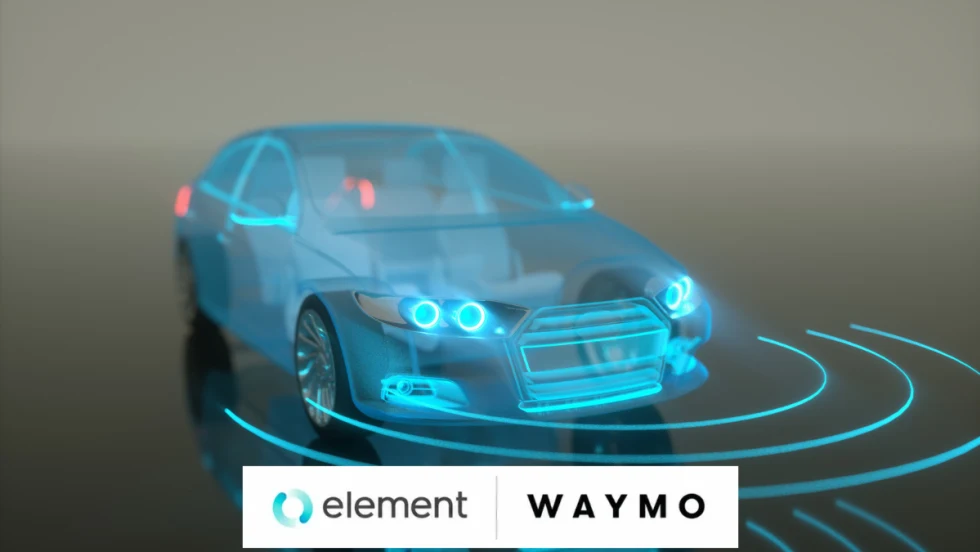
Element Expands Waymo Partnership to Support Toronto Robotaxi Fleet
As Waymo prepares to enter the Canadian market, Element Fleet Management will oversee the fleet operations supporting its planned Toronto launch. The partnership highlights the maintenance, charging, and infrastructure requirements behind operating autonomous vehicles at scale.
Read More →
GM Launches OnStar Fleet Intelligence Platform With AI Assistant
The new platform brings vehicle data, order tracking, connected services and fleet analytics into one system, with an AI assistant that can answer fleet questions using natural-language prompts.
Read More →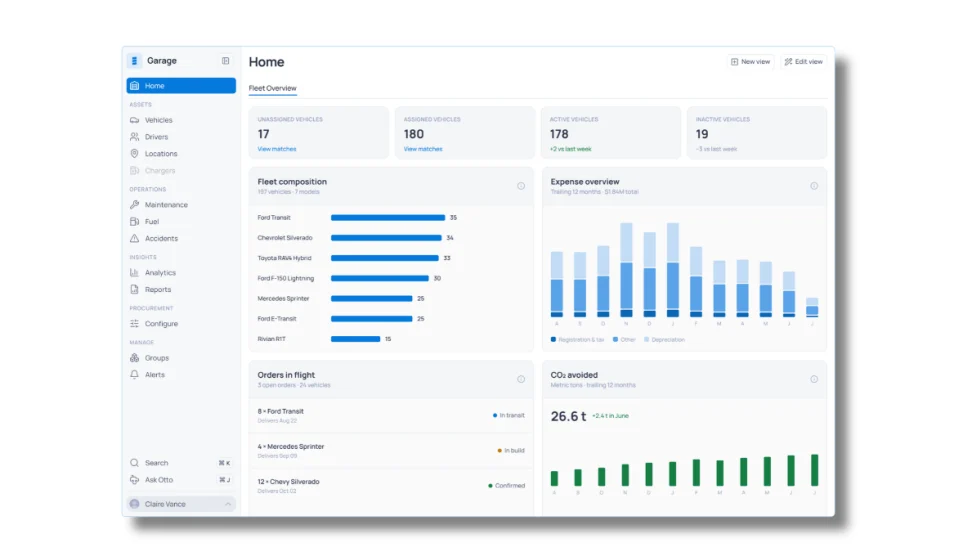
Inspiration Fleet Introduces Garage 2.0 Fleet Intelligence Platform
Fleet managers increasingly have access to data from vehicles, telematics, fuel, charging, and other systems, but those sources don't always communicate with one another. Inspiration Fleet's Garage 2.0 platform brings that information together while letting fleets keep working with different technology and service providers.
Read More →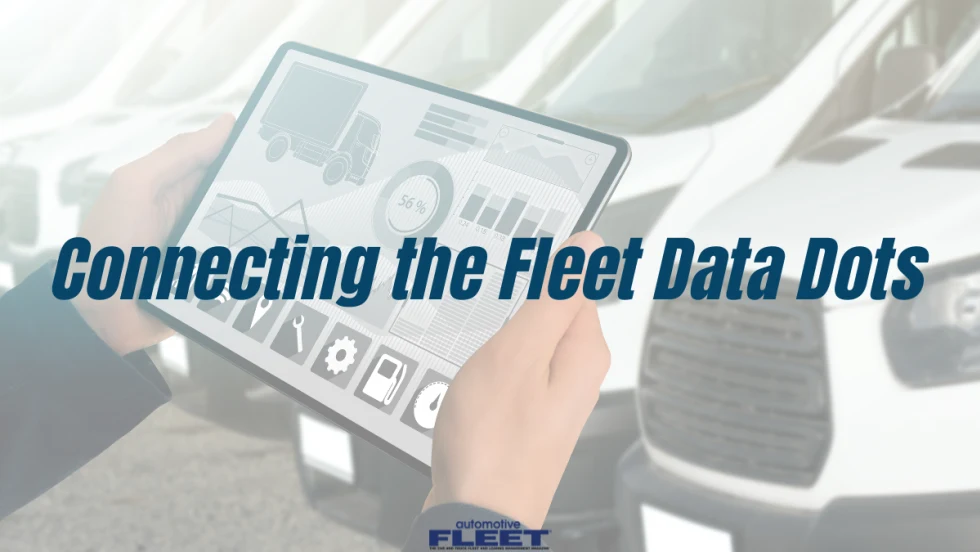
Inside Inspiration Fleet’s New Platform for Connecting Fleet Data
Inspiration Fleet CTO Chris Getner explains how the new Garage 2.0 platform is designed to connect disparate fleet data and what that could mean for fleet managers in practice.
Read More →
Sponsored•October 1, 2026
Fleet Manager’s Ultimate Playbook: Navigating the New Standard in OEM Connectivity
Rising operating costs, driver safety concerns, and unplanned downtime are putting unprecedented pressure on modern fleets. Discover how fleet managers use embedded OEM connectivity and real-time vehicle data to cut TCO, prevent downtime, and protect drivers without aftermarket telematics hardware.
Read More →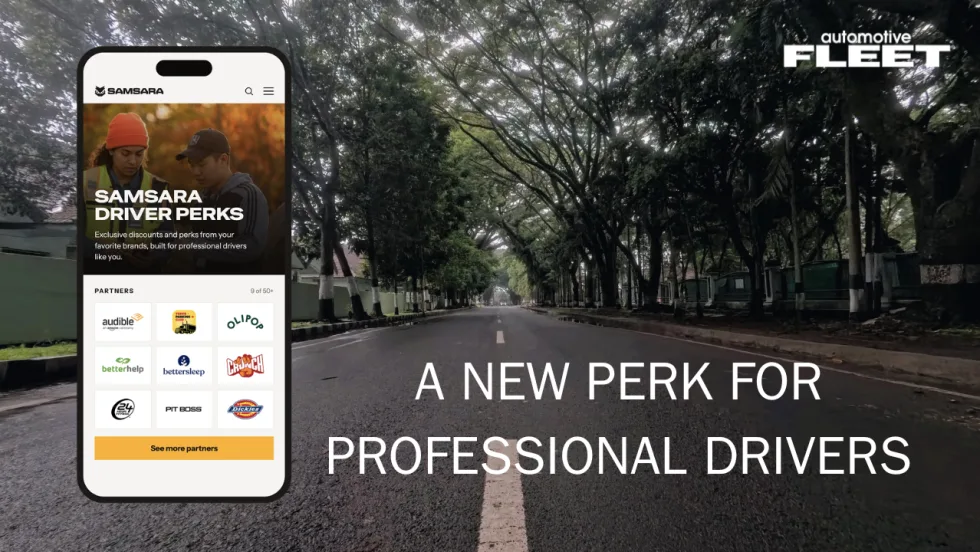
Samsara Driver Perks Adds New Benefit for Corporate Fleet Drivers
The rewards program gives eligible professional drivers access to discounts from more than 50 brands while giving fleets another way to support recruitment, retention, and the driver experience.
Read More →
Inside the Church of Jesus Christ of Latter-day Saints’ Two-Track Telematics Strategy
With 20,000 vehicles and two fundamentally different driver populations, the Church faced a fleet management problem that a single telematics program couldn't solve. How it responded offers a replicable framework for any fleet where one size doesn't fit every driver.
Read More →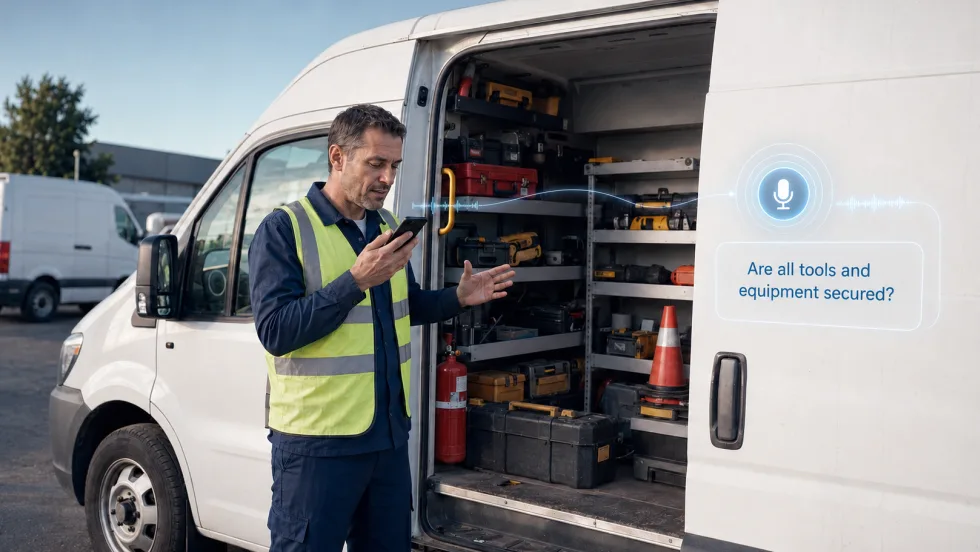
How Conversational AI Can Make Fleet Tasks Easier for Drivers
While most generative AI tools help fleet managers interpret data at their desks, Connex2X is applying voice interaction to tasks behind the wheel.
Read More →
Why Fleets Are Creating Dedicated Fleet Analyst Positions
Are fleet analyst positions the new norm? Listen here to find out.
Read More →
Teletrac Navman Begins Next Chapter as Standalone Private Company
What's new with Teletrac Navman and its new owner?
Read More →