




Tariffs Will Upend North American Auto Industry
Commentary: No mainstream automaker will be immune to the pain, which will almost certainly be transferred to buyers through higher prices. The U.S. auto market already has an affordability problem.

The North American vehicle market is built on free trade, and new tariffs would undoubtedly throw a wrench into the works.
Photo: Pexels / Pixabay
As the tariff story evolves, the chapter written earlier this week was good news for the auto industry. Massive 25% tariffs were not implemented against goods from Canada and Mexico, at least not yet.
That is good news for everyone involved, as there is little doubt that 25% tariffs across North America would upend the U.S. auto market and the larger economy.
The North American auto market is a massive, three-nation web of suppliers and production hubs that has been 30 years in the making, an idea first floated by President Reagan and finally enacted by President Clinton. It is an operation built on free trade, and new tariffs would certainly throw a spanner in the works.
While the threat looms, the Cox Automotive team remains confident that compromises will be worked out in due time and any tariff pain will be the short-lived, not long-term policy adopted by the U.S.
Ultimately, the stakes are too high: Of the 50 best-selling models in the U.S. market, which accounts for about 60% of the market volume, half would be directly affected by the tariffs, and that does not even begin to account for all the auto parts that move freely across the borders today, ensuring good jobs and high wages throughout North America.
No mainstream automaker will be immune to the pain, which will almost certainly be transferred to buyers through higher prices. The U.S. auto market already has an affordability problem; artificially raising costs will only exacerbate the issue.
Worse still, significant tariffs focused on the auto industry will disproportionately impact our market’s most affordable vehicles. Our analysis suggests that 40% of vehicles priced under $40,000 will be directly affected. Of the 20 new vehicles priced under $30,000, 10 will be hit hard.
Cox estimates suggest the average tariff on models assembled in Canada or Mexico, or with reported content from those countries, would increase the vehicle cost by $5,855. This amounts to 16.6% of an average new-vehicle price, ranging from 3% to 25%. Will transaction prices increase by 16%? It’s hard to say. Not all the costs will likely be passed directly to buyers, but one reality is hard to ignore: Prices will go up for suppliers, automakers, and buyers. The impact on “affordable” vehicles would likely make many of them unviable in the U.S. market.
On a trade basis, the Cox team has estimated that 25% tariffs at the border of Canada and Mexico would have impacted $309 billion in trade in 2024, or about 40% of the U.S. new vehicle market. Our analysis does not include the impact on parts, which would be high and directly impact auto repair shops across the U.S.
If history is a lesson, the Trump Administration will continue to threaten tariffs, and many countries will reply in kind with their own tariffs, as China has already demonstrated. Ultimately, higher tariffs will only challenge an industry already wrestling with high costs and small margins in a global automotive business that relies on a large and complicated supply chain.
More Vehicle Research
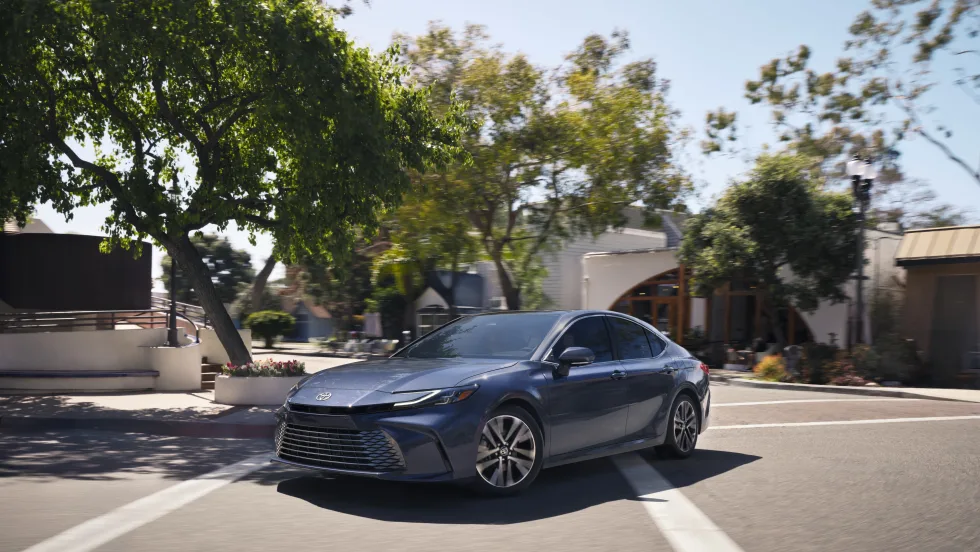
2027 Toyota Camry Offers Hybrid Powertrain Across Five Grades
The 2027 Toyota Camry is a carryover with new pricing.
Read More →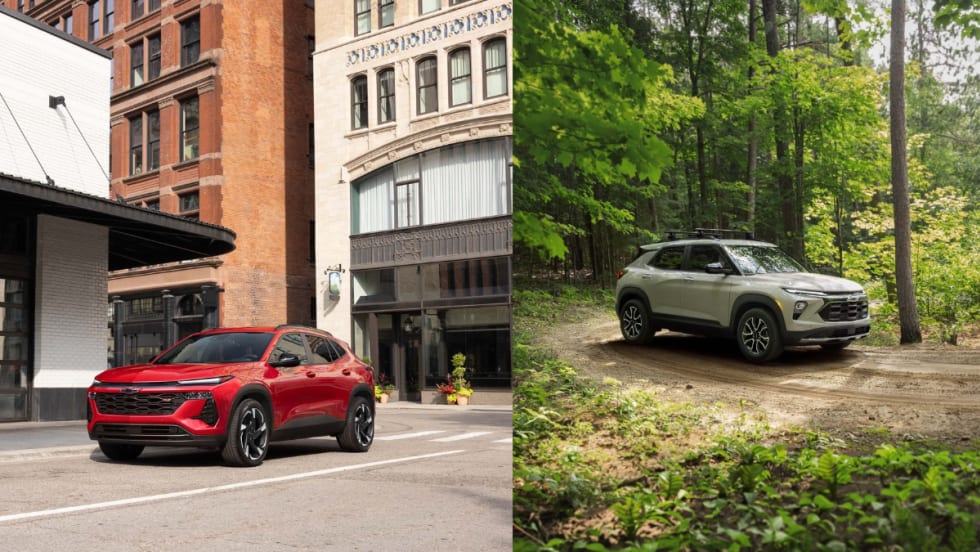
Chevrolet Updates 2027 Trax and Trailblazer with More Standard Safety Features
Chevrolet is updating two of its smallest SUVs with added driver-assistance technology, redesigned interiors, and revised trim options. The changes could add more safety equipment as standard for commercial fleets, while a new Trailblazer configuration adds another all-wheel-drive option.
Read More →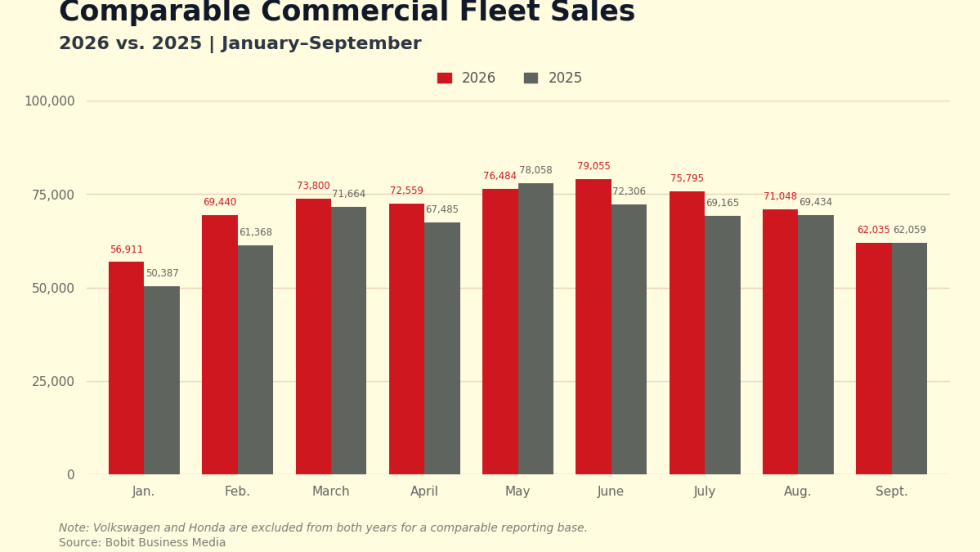
Commercial Fleet Sales Rise 5.8% Through September 2026
September commercial fleet sales were essentially unchanged from a year earlier, slowing year-to-date growth while keeping volume ahead of 2025.
Read More →
Hall of Fame Inductee: John Dmochowsky
The longtime Mondelēz International fleet executive joins the Automotive Fleet Hall of Fame.
Read More →
Hall of Fame Inductee: Lee Miller
After more than four decades at Boehringer Ingelheim, Lee Miller leaves a legacy built on fleet expertise.
Read More →
Hall of Fame Inductee: Mark F. Petersen
From managing fleets of thousands of vehicles to advancing safety and mentoring fellow professionals, Mark F. Petersen made his mark across both the corporate and supplier sides of fleet.
Read More →
When Charger Downtime Becomes a Fleet Availability Problem
As EV deployments move beyond pilot programs, charger reliability can directly affect vehicle readiness, driver productivity and route scheduling.
Read More →
2027 Nissan Rogue Hybrid Adds e-POWER, Standard AWD
The new Rogue Hybrid uses Nissan’s e-POWER system with dual electric motors, offers an estimated 40 mpg and starts at $35,490.
Read More →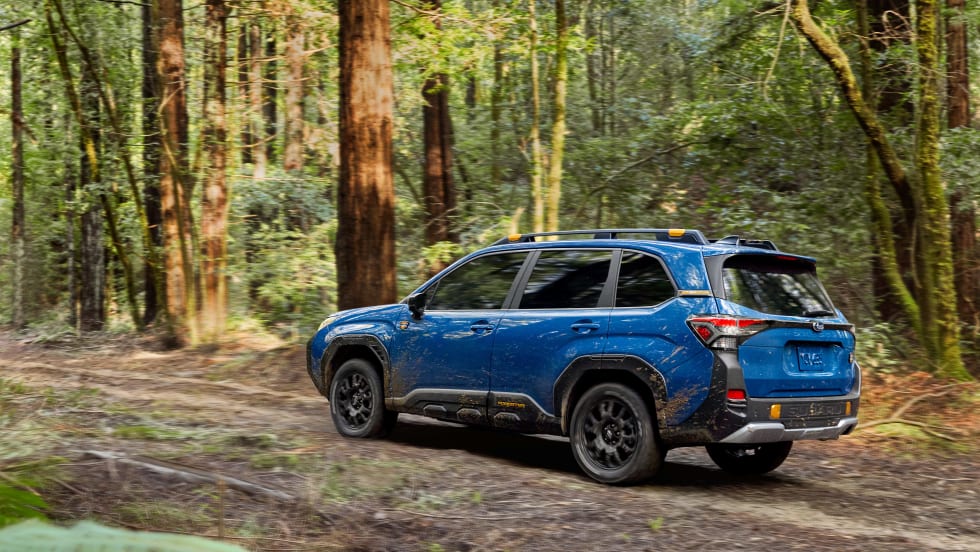
2027 Subaru Forester Adds First Wilderness Hybrid
The 2027 Forester lineup starts at $29,995 and adds a Wilderness Hybrid with 194 combined horsepower and 9.3 inches of ground clearance.
Read More →
EV Realty Names Henrik Holland President as Charging Platform Expands
The former Prologis Mobility and Shell executive will help expand EV Realty’s truck charging business and move its power-first infrastructure model into autonomous vehicle depots and other fleet sectors.
Read More →