





More Background: The Future Charging Standard for Heavy-Duty EVs
Tesla Heats Up Race for Universal Electric Vehicle Charge Connector
With the growth of EV models and charging networks, whose connector equipment should become the standard? Will there ever be a one-size-fits-all EV plug-and-port like the common fuel pump nozzle?
November 29, 2022
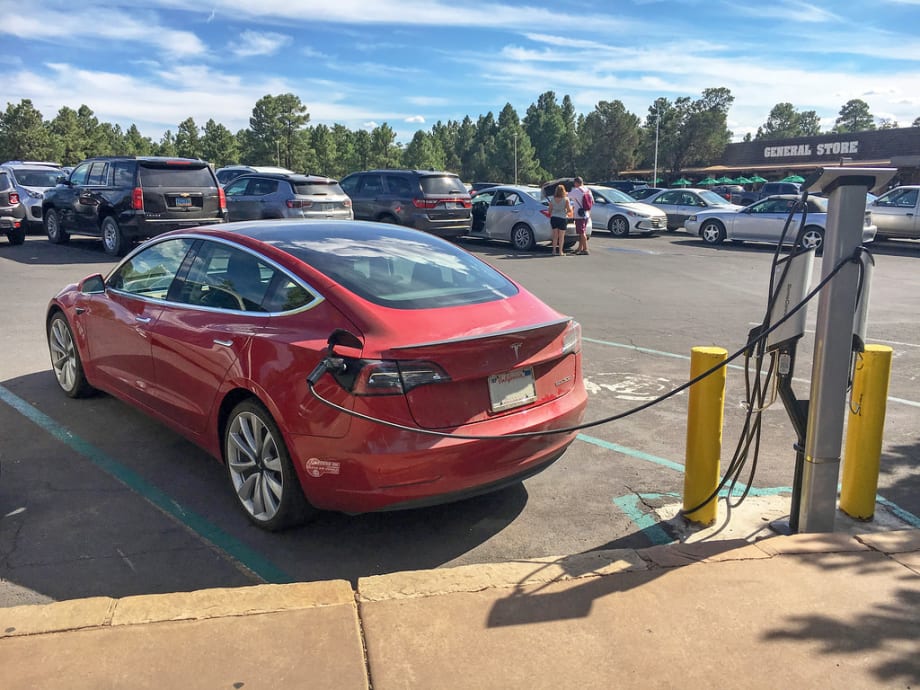
In pursuit of accelerating the world’s transition to sustainable energy, Tesla is opening its EV connector design to the world. It has invited charging network operators and vehicle manufacturers to put the Tesla charging connector and charge port, now called the North American Charging Standard (NACS), on their equipment and vehicles.
Photo: Grand Canyon NPS
4 min to read
A leading global group that advocates for a standard electric vehicle charging connector and port pushed back Nov. 29 against Tesla plans to establish a North American charging standard, saying it doesn’t go far enough in spanning the commonly established equipment used by most major electric vehicle manufacturers.
The Charging Interface Initiative (CharIN) Inc., and its CharIN North America chapter, issued a statement calling on key players pursuing a universal charging connector — similar to a standardized fuel pump nozzle — to focus on speeding up and consolidating the market for electrification instead of causing consumer confusion and delaying EV adoption.
Tesla announced in a Nov. 11 blog post its proprietary North American Charging Standard (NACS) that opens its widely used connector to non-Tesla EV drivers, citing that the equipment has no moving parts and is half the size and twice as powerful as the Combined Charging System (CCS) connector advocated by CharIN. It also reports that NACS vehicles outnumber CCS ones two to one, and Tesla's supercharging network has 60% more NACS posts than all the CCS-equipped networks combined.
“Network operators already have plans in motion to incorporate NACS at their chargers, so Tesla owners can look forward to charging at other networks without adapters,” according to the Tesla blog post. “Similarly, we look forward to future electric vehicles incorporating the NACS design and charging at Tesla’s North American supercharging and destination charging networks.”
In response, CharIN stated, “CCS has gone through many years of rigorous standardization processes, which is a required activity for any new standard proposal. After a decade of collaborative work, the domestic and international EV industry has aligned around CCS.”
A Long List of OEMs Vested in CCS
CharIN also cited the following facts and arguments in favor of continued promotion of the CCS equipment:
Nearly 300 domestic and international CharIN members are using or investing in CCS.
Most major domestic and international automakers are using and supporting CCS, including Audi, BMW, Daimler, Ford Motor Company, General Motors, Honda, Hyundai/Kia, Lucid, Lotus, Mazda, MAN, Mercedes-Benz, Navistar, New Flyer, Nikola, Nissan, PSA Groupe, Proterra, Renault, Rivian, Scania, Stellantis, Subaru, Suzuki, Tata Motors, Tesla, Toyota, Volvo, and Volkswagen.
In the U.S., CCS is used in over 50 passenger vehicle models.
CCS can connect to all AC charging stations without an adapter via the J1772 standard.
Worldwide, there are 61,000 DC fast chargers using the CCS connector, compared to 40,000 Tesla Super chargers according to data published by CharIN and Tesla.
In North America (including the U.S. and Canada) there are 18,880 CCS connectors compared to 18,405 Tesla Super charger connectors and 178,926 J1172 connectors compared to 15,529 Tesla destination connectors, according to recent Plugshare data (includes public and restricted use).
Delays and Disruptions in EV Adoption
Tesla’s proposed NACS would have to face the hurdles of passing through an established standardization process via standards bodies, such as ISO, IEC, and/or SAE, CharIN stated. The challenges of creating new standards or changing the existing standards could involve significant market disruptions, with companies diverting energy and resources into a different standard that could take up to six years to develop.
It would also delay the regulatory and policy processes underway to standardize charging and overall electrification, resulting in local, state and federal governing bodies postponing vital decisions on charging infrastructure and a unified approach to electrification, CharIN said.
CharIN supports a rigorous peer review process in developing standards, such as ISO, IEC, and SAE. The CCS standard, including connectors and related communications protocols, is a genuine international benchmark vetted through the standardization process that could end up not matching the configurations of Tesla’s NACS.
A CNN Business report posted the day following Tesla’s announcement said it is not yet clear if other EV manufacturers and charging networks could cooperate with the company’s plans.
“We strongly encourage Tesla, as a CharIN member, to work with CharIN’s membership base, the standards organizations, and others to accelerate the adoption of a fully interoperable EV charging solution to transition to electric vehicles more quickly,” CharIN stated.
CharIN is the largest global association focused on the electrification of all forms of transportation based on the seamless and interoperable charging experience enabled by the Combined Charging System (CCS) and the Megawatt Charging System (MCS). CCS and MCS are considered the global standards for charging vehicles of all kinds.
Topics:charging infrastructureTeslaEV ChargingPlug-In Electric VehiclesConnectorsGreen FleetOperationsFleet Forward
Originally posted on Charged Fleet
More Green Fleet
Sponsored•October 1, 2026
New Propane Autogas Program Offers Fleet Compensation
Qualified commercial fleets can receive $7,500 per eligible propane autogas vehicle and up to $10,000 for new refueling site prep. Learn how the program works and see whether your fleet qualifies.
Read More →
EV Charging Use Is Outpacing Infrastructure Growth
ChargePoint’s 2026 Charging Forward Report points to rising charger use, higher-powered charging, commercial vehicle electrification, and energy-management technology. Here’s what fleets should know.
Read More →
Merchants Fleet Reports 290M EV Miles as Fleets Navigate Changing Electrification Market
From millions in operating savings to hundreds of millions of EV miles, Merchants Fleet’s latest report reveals what’s working and what’s changing in fleet electrification.
Read More →
The EV Breakdown Nobody's Talking About: Why Most Electric Vehicle Roadside Calls Aren't Mechanical Failures
Here's why EV breakdowns are widely misunderstood.
Read More →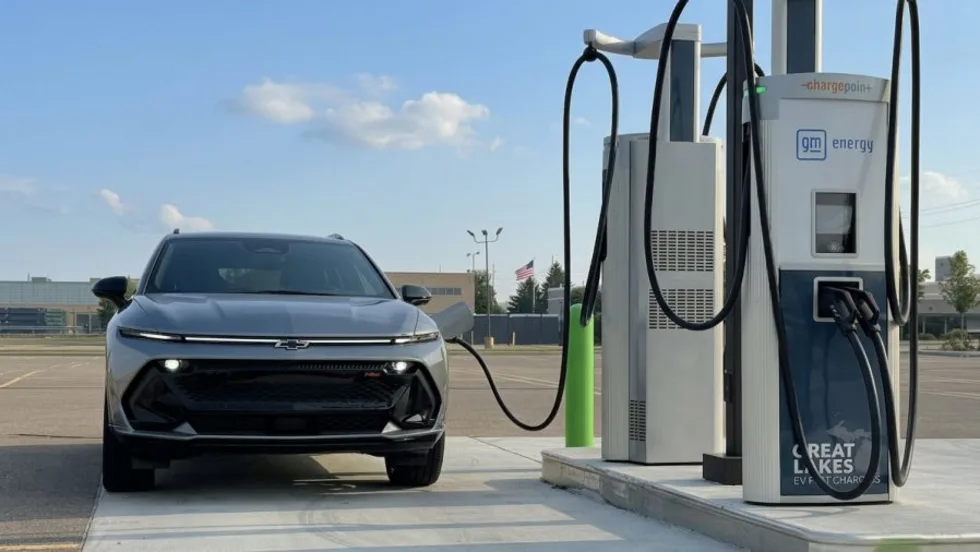
ChargePoint Now Available in Energy Pass
ChargePoint and additional planned charging network integrations were added to GM's Energy Pass.
Read More →

First Look: Slate Auto's Electric Fleet Pickup
Could an affordable, modular EV pickup make electrification more practical for fleets?
Read More →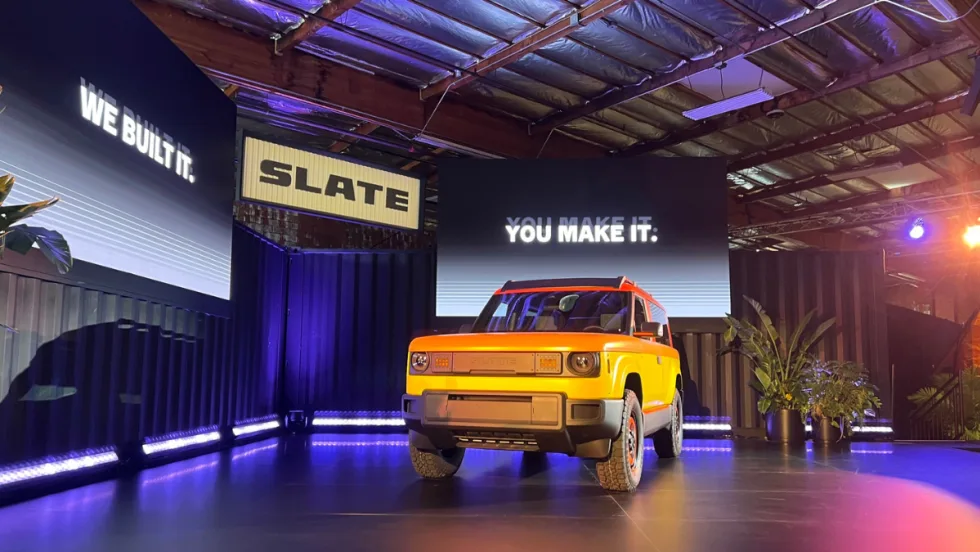
Slate Debuts Colorful, Unique EV Models
A recent media and client event, studded with electric vehicles dressed up on platforms, planted a new position for the manufacturer in the wider EV market. Fleets will find cost-saving advantages.
Read More →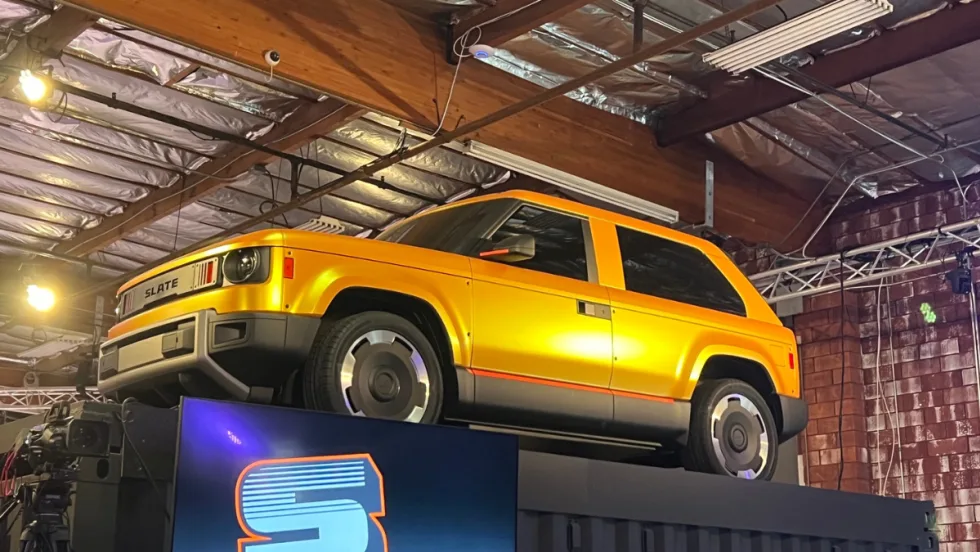
Slate Electric SUV, Pickup Switchable Model Aims For Light-Duty Fleets
Everything about this EV is counterintuitive and understated, making it stand out from the crowd.
Read More →
Inspiration Mobility Acquires Key Electrada Assets
Inspiration Mobility Group has acquired select assets of Electrada, adding the fleet electrification provider's team, technology, and charging infrastructure development capabilities to its energy management business.
Read More →