




Tips for Post-Flood Fleet Inspections
The best ways to inspect trucks in the aftermath of Hurricane Ian.


Checks and testing are crucial to getting vehicles back on the road.
Photo: Work Truck
As Hurricane Ian hit the east coast at the end of September, it brought devastation in its path. And cities in Florida needed thousands of truck drivers to help aid in relief and rebuilding efforts.
When it comes to vehicle maintenance, it’s important to check your vehicle after being exposed to flood waters. Some of the items to inspect and recondition are air brakes, wheel-ends, and other safety components. Bendix provides its top tech tips for post-flood inspection and reconditioning.
Check the air brake system:
Inspect each component in the pneumatic brake and accessory systems.
Drain any pressure remaining in the service reservoirs.
Mark and remove all pneumatic and electrical connectors at each valve.
Check for evidence of water or contamination inside the connectors, air hoses, or the component itself.
Carefully use dry compressed air pressure (from a stationary compressor or similar) to blow air through the pneumatic tubes and hoses. Watch for evidence of water or contamination.
If water or contamination is found inside the component, replace the component.
Repeat this process as you continue to inspect all the valves in the air brake system. Replace any nonfunctioning valves or those showing evidence of ingestion of water or contaminants.
Inspect tractor and trailer glad hands and the supply and control hoses. Water and contaminants frequently enter the air brake system through unprotected glad hands.
Check the charging system:
Inspect the air intake, compressor, and air dryer for signs of water or contaminant ingestion.
Carefully use dry compressed air pressure (from a stationary compressor or similar) to blow air through the pneumatic tubing and watch for evidence of water or contamination.
Use dry compressed air from a stationary air compressor (or suitable portable unit) to get any residual water out of the service tanks.
Air dryers remove moisture in compressed air, but they will not remove moisture that’s present in the system beyond the service tanks.
Examine all wheel-ends:
Water pooling in drums
Corrosion between brake lining material.
The integrity of the friction couple between the friction and disc or drum
Remove any fittings and mounting stud nuts for any water exposure.
Hurricane season is from 1 through November 30. Hurricane Ian was one of the biggest but might not be the last of the season. To keep your fleet prepared throughout hurricane season, Work Truck has you covered. You can read more about hurricane fleet prep here: Hurricane Safety: Protecting Your Fleet and Dealing with the Aftermath of the 2021 Season.
Originally posted on Work Truck Online
More Maintenance

Fleet Manager’s Ultimate Playbook: Navigating the New Standard in OEM Connectivity
Rising operating costs, driver safety concerns, and unplanned downtime are putting unprecedented pressure on modern fleets. Discover how fleet managers use embedded OEM connectivity and real-time vehicle data to cut TCO, prevent downtime, and protect drivers without aftermarket telematics hardware.
Read More →
How Can Fleet Managers Tell Which Repairs Require Closer Review?
Fleetio’s Brianna Perry demonstrates how Service Advisor evaluates maintenance requests, identifies pricing anomalies, and provides the context fleet managers need to focus their attention on potential problems.
Read More →
Why Roadside Assistance Belongs in a Fleet Risk Strategy
Roadside assistance is more than a tow. See how the right partner can protect drivers, uncover fleet trends, and strengthen your risk strategy.
Read More →
Hidden in Plain Sight: Fleet Compliance Risks
Fleet compliance isn't just about having policies — it's about consistently enforcing them. This practical guide reveals six hidden compliance risks common in public sector and shared fleet operations and outlines proven strategies to improve visibility, accountability, and audit readiness
Read More →
How Maintenance Costs Compare Across 27 Fleet Vehicles
Vincentric’s three-year, 60,000-mile projections reveal wide differences for both scheduled and unscheduled maintenance among selected vehicle categories. Projected maintenance visits also play a factor.
Read More →
The EV Breakdown Nobody's Talking About: Why Most Electric Vehicle Roadside Calls Aren't Mechanical Failures
Here's why EV breakdowns are widely misunderstood.
Read More →
How Stellantis Plans to Get Ahead of Fleet Downtime
Keeping fleet vehicles on the road has become as important as buying them. Darren Bradshaw of Mopar North America explains how connected vehicle data, AI, and proactive service strategies are helping Stellantis reduce downtime and move closer to predictive maintenance.
Read More →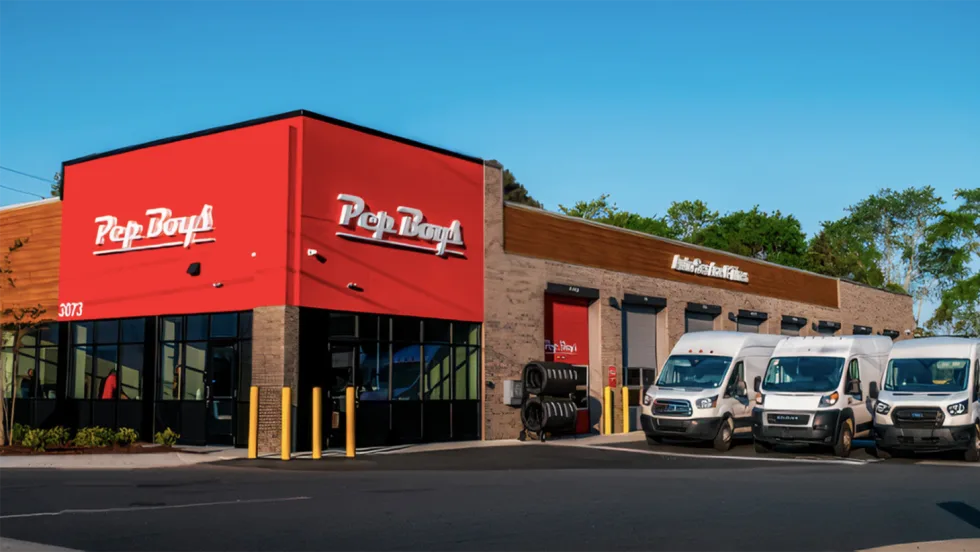
Merchants Fleet Expands Maintenance Network with Pep Boys
Merchants Fleet has expanded its relationship with Pep Boys, increasing the service provider's role within its national maintenance network. The move is intended to enhance maintenance coordination and support commercial fleets through Pep Boys' nationwide footprint.
Read More →
The Two Biggest Summer Downtime Threats for Fleets
A conversation with a maintenance expert reveals the two most common summer maintenance pains and how to prevent them.
Read More →
From Marine Corps Motor Pool to Managing 460 Fleet Vehicles
Cesar Ayala of O’Connell Landscape Maintenance shares how he transitioned from the Marine Corps to managing a 460-vehicle fleet—and the real-world challenges of maintenance, compliance, and driver management in California.
Read More →