




Stellantis Plans for $22.5b in Connected Services Revenue by 2030
Recurring subscriptions for connected services around driver assistance features, geolocation, and infotainment options will become vital revenue streams for automakers as part of the transition to electric vehicles.

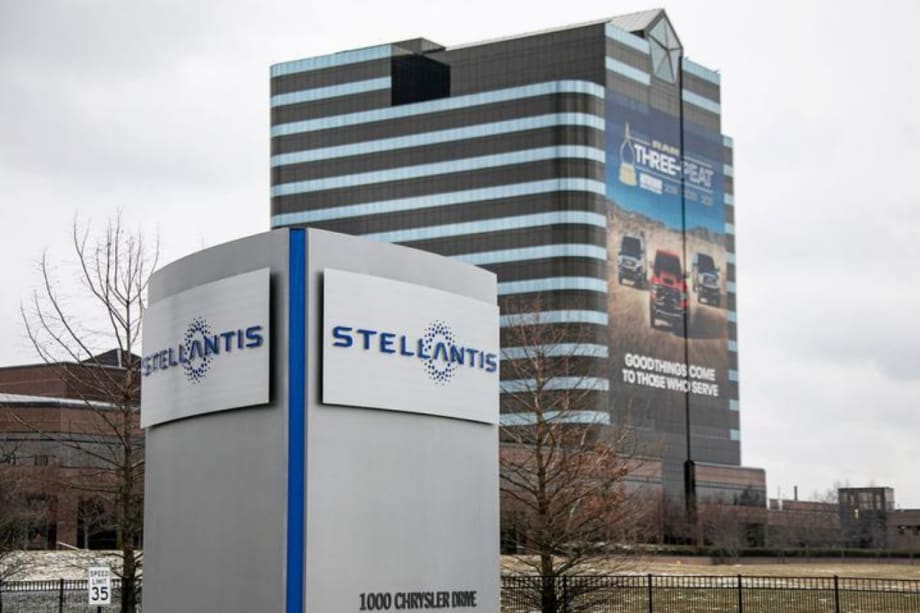
Three AI-powered, technology platforms will be deployed at scale, starting in 2024: STLA Brain, STLA SmartCockpit, and STLA AutoDrive.
Photo: Stellantis
Stellantis N.V. announced its software strategy to deploy next-generation tech platforms, building on existing connected vehicle capabilities to transform how customers interact with their vehicles, and to generate approximately $22.5 billion in incremental annual revenues by 2030, according to the company's press announcement.
This transformation will move Stellantis’ vehicles to an open software-defined platform that integrates with customers’ digital lives. It also expands the options customers have to add features and services via regular over-the-air (OTA) updates keeping vehicles updated years after they have been built.
“Our electrification and software strategies will support the shift to become a sustainable mobility tech company to lead the pack, leveraging the associated business growth with over-the-air features and services and delivering the best experience to our customers,” said Carlos Tavares, Stellantis CEO. “With the three all-new, AI-powered, technology platforms to arrive in 2024, deployed across the four STLA vehicle platforms, we will leverage the speed and agility associated with the decoupling of hardware and software cycles.”
Stellantis said it plans to invest more than €33.8 billion through 2025 to execute its software and electrification transformation.
The Stellantis software strategy works with the company’s vehicle electrification plans, detailed at EV Day in July 2021. The strategy targets that more than 70% of its vehicle sales in Europe and more than 40% of vehicle sales in the U.S. will be low-emission vehicles (LEV) by 2030.
More Telematics
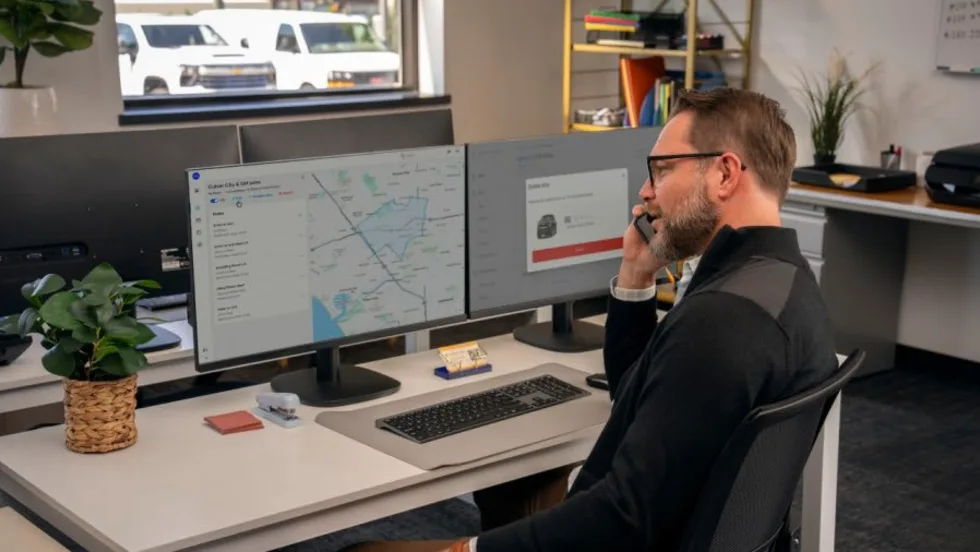
GM Launches OnStar Fleet Intelligence Platform With AI Assistant
The new platform brings vehicle data, order tracking, connected services and fleet analytics into one system, with an AI assistant that can answer fleet questions using natural-language prompts.
Read More →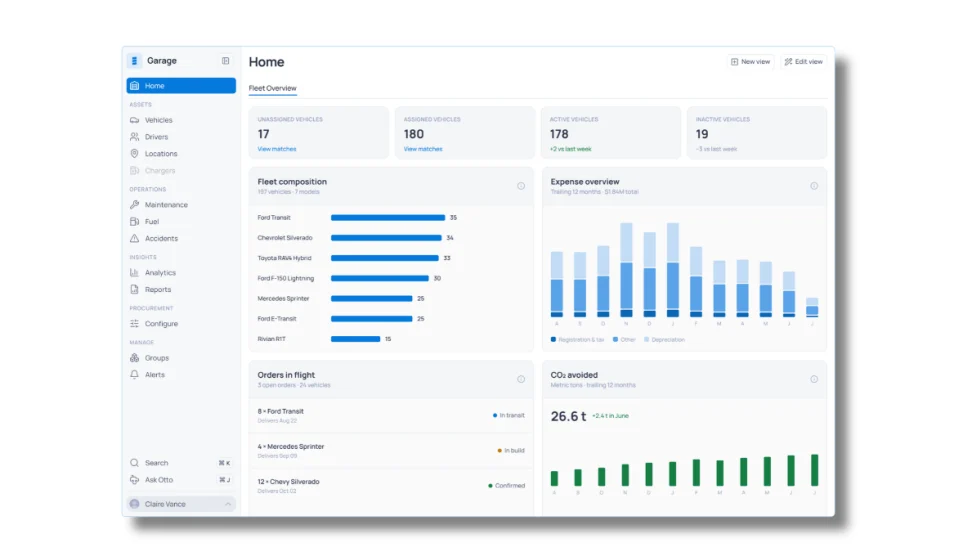
Inspiration Fleet Introduces Garage 2.0 Fleet Intelligence Platform
Fleet managers increasingly have access to data from vehicles, telematics, fuel, charging, and other systems, but those sources don't always communicate with one another. Inspiration Fleet's Garage 2.0 platform brings that information together while letting fleets keep working with different technology and service providers.
Read More →
Inside Inspiration Fleet’s New Platform for Connecting Fleet Data
Inspiration Fleet CTO Chris Getner explains how the new Garage 2.0 platform is designed to connect disparate fleet data and what that could mean for fleet managers in practice.
Read More →
Fleet Manager’s Ultimate Playbook: Navigating the New Standard in OEM Connectivity
Rising operating costs, driver safety concerns, and unplanned downtime are putting unprecedented pressure on modern fleets. Discover how fleet managers use embedded OEM connectivity and real-time vehicle data to cut TCO, prevent downtime, and protect drivers without aftermarket telematics hardware.
Read More →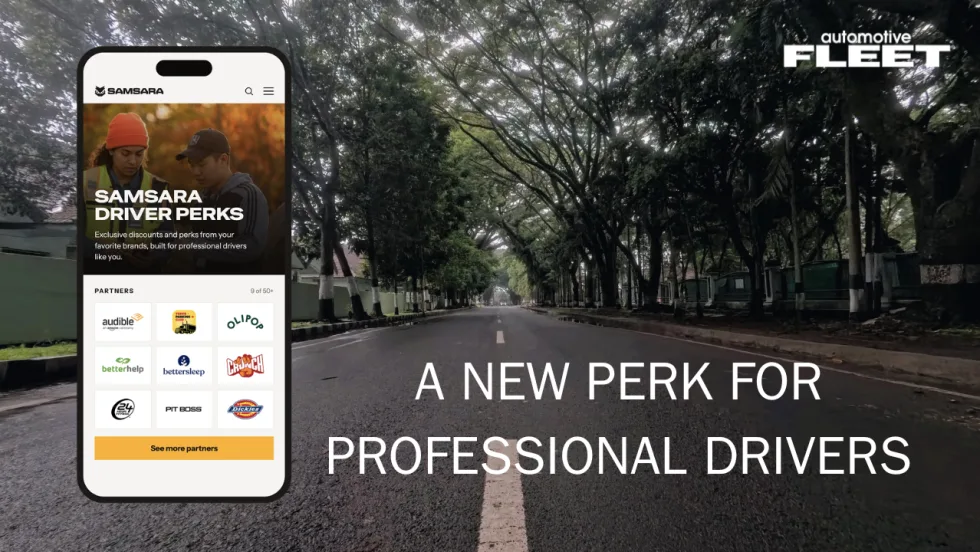
Samsara Driver Perks Adds New Benefit for Corporate Fleet Drivers
The rewards program gives eligible professional drivers access to discounts from more than 50 brands while giving fleets another way to support recruitment, retention, and the driver experience.
Read More →
Inside the Church of Jesus Christ of Latter-day Saints’ Two-Track Telematics Strategy
With 20,000 vehicles and two fundamentally different driver populations, the Church faced a fleet management problem that a single telematics program couldn't solve. How it responded offers a replicable framework for any fleet where one size doesn't fit every driver.
Read More →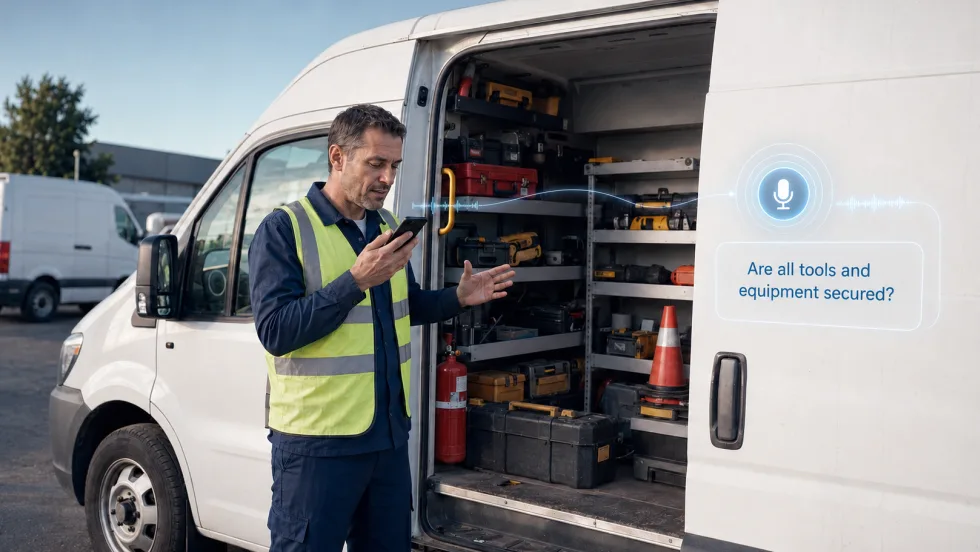
How Conversational AI Can Make Fleet Tasks Easier for Drivers
While most generative AI tools help fleet managers interpret data at their desks, Connex2X is applying voice interaction to tasks behind the wheel.
Read More →
Why Fleets Are Creating Dedicated Fleet Analyst Positions
Are fleet analyst positions the new norm? Listen here to find out.
Read More →
Teletrac Navman Begins Next Chapter as Standalone Private Company
What's new with Teletrac Navman and its new owner?
Read More →
Why Fleets Are Creating Dedicated Fleet Analyst Positions
Telematics, AI, EVs, and connected technologies are generating more fleet data than traditional teams can effectively manage. Reed Jackson explains why dedicated fleet analytics roles are emerging to turn that information into better operational decisions.
Read More →