




For all the best practices in electrifying your fleet, check out our Electric Vehicle Buyer's Guide.
Fleet Electrification: A Cost and Benefits Analysis
It is vital for your company to analyze the benefits, costs, implementation factors, and more to ensure EV adoption is the next best step for your fleet.
by Ronnie Wendt
September 17, 2021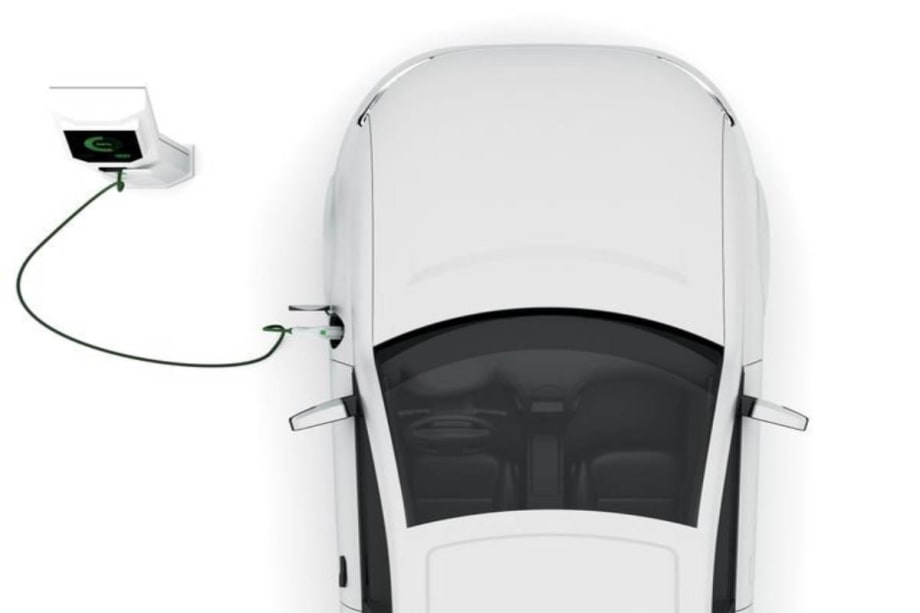
Sustainability and reduced emissions are among the top reasons companies implement EVs.
Photo via istockphoto.com/3alexd
2 min to read
As the adoption of electric vehicle fleets grows within the industry, some costs follow the benefits. Before responding to these changes as a company, consideration, and research of electric vehicles (EVs) is essential.
Going Green with EVs
Sustainability and reduced emissions are among the top reasons companies implement EVs. According to the United States Environmental Protection Agency (EPA), electric fleets can help reduce greenhouse gas and carbon emissions by converting energy five times more efficiently than a vehicle with an internal combustion engine. However, these eco-friendly vehicles will deliver much more than reduced emissions. EVs can cut your fuel costs, reduce maintenance needs, improve productivity, and more.
How EVs Save on Fuel and Maintenance Costs
As fuel costs spike nationwide—and because fuel is one of the highest operating costs for fleets, EVs are the next-best budget savers. With the adoption of EVs, fuel costs are pretty much nonexistent. Wakefield Research asked 300 fleet managers why they would purchase an electric vehicle, and over 44% said it would reduce fuel costs.
Additionally, EVs require less maintenance. There are only three types of fluids needed to run EVs: coolant, windshield washer, and brake fluids. EVs do not need oil changes, transmission flushes, or other engine fluid replacements. No need to worry about constant maintenance when EVs keep it simple.
The Costs of EVs
Although these benefits may sound promising, be sure to consider the costs of EVs that follow, such as the initial adoption cost that can be a financial burden. A single EV costs 10 to 40 percent more than a similar gasoline-only model. There also are some unknowns about EV battery life. These batteries aren't known to fail, but they do lose capacity over time. According to Geotab, battery life dwindles about one to three percent of capacity each year. This fact could threaten the longevity of a single EV's life.
Early electric vehicles lacked the range capacity, towing power, and storage capacities required by many fleet operations. Today vehicle manufacturers plan to release larger and even heavy-duty EVs with operating ranges over 300 miles. Yet, these plans are between seven to 10 years away from widespread use. This reality puts many fleets in a holding pattern for adoption.
Therefore, even though industry leaders may convey EVs as a glamorous and productive investment, there are always costs that come with the benefits. Be sure to do your research to decide what best reflects your company's needs before EV adoption. The next step is how to get started with EV adoption.
Subscribe to Our Newsletter
More Green Fleet
Sponsored•October 1, 2026
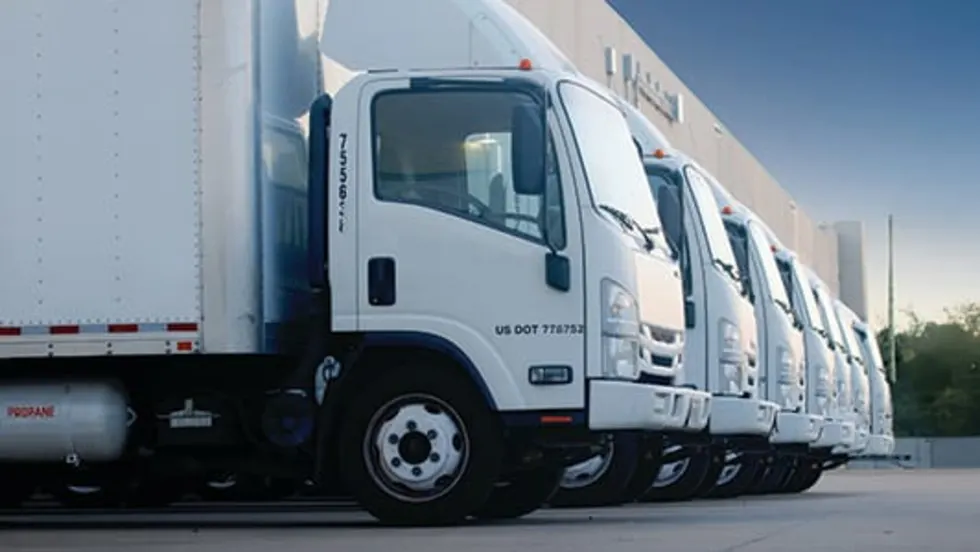
New Propane Autogas Program Offers Fleet Compensation
Qualified commercial fleets can receive $7,500 per eligible propane autogas vehicle and up to $10,000 for new refueling site prep. Learn how the program works and see whether your fleet qualifies.
Read More →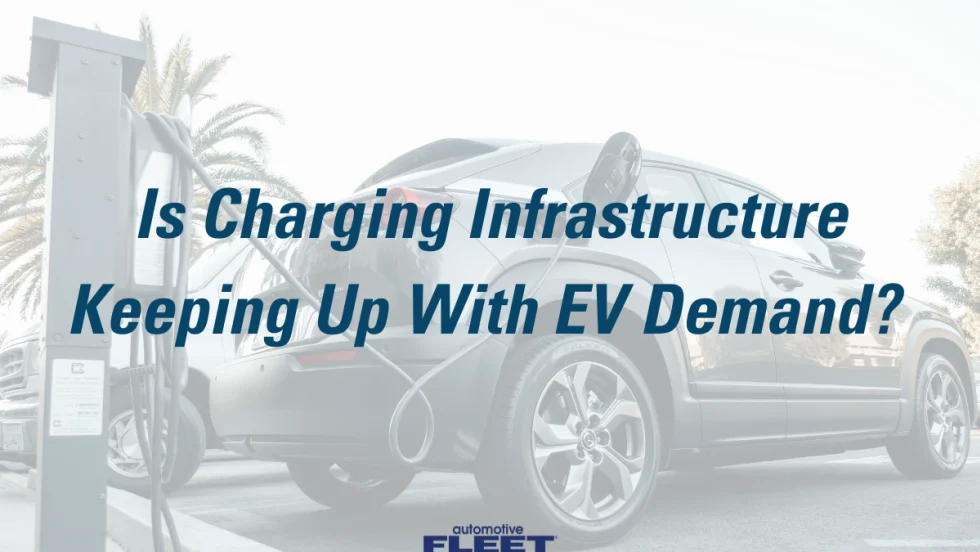
EV Charging Use Is Outpacing Infrastructure Growth
ChargePoint’s 2026 Charging Forward Report points to rising charger use, higher-powered charging, commercial vehicle electrification, and energy-management technology. Here’s what fleets should know.
Read More →
Merchants Fleet Reports 290M EV Miles as Fleets Navigate Changing Electrification Market
From millions in operating savings to hundreds of millions of EV miles, Merchants Fleet’s latest report reveals what’s working and what’s changing in fleet electrification.
Read More →
The EV Breakdown Nobody's Talking About: Why Most Electric Vehicle Roadside Calls Aren't Mechanical Failures
Here's why EV breakdowns are widely misunderstood.
Read More →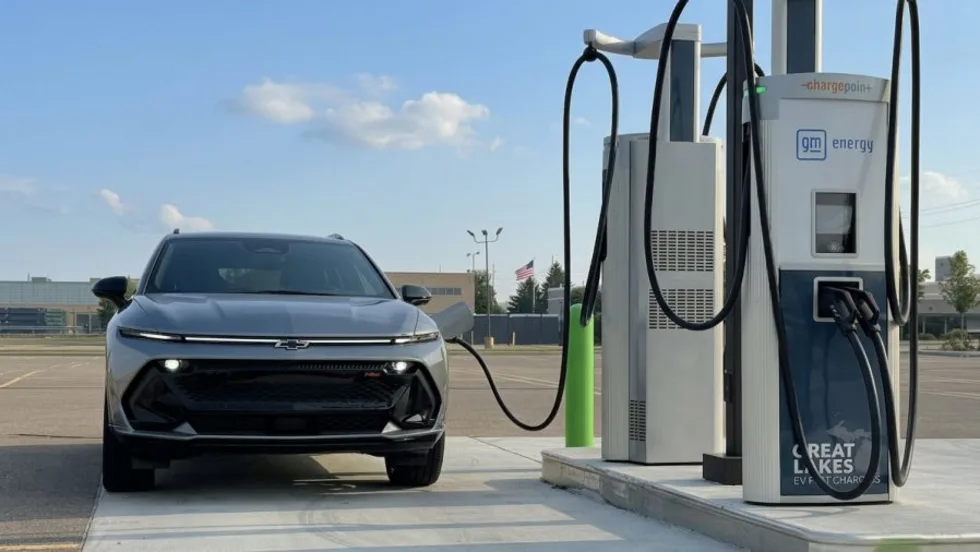
ChargePoint Now Available in Energy Pass
ChargePoint and additional planned charging network integrations were added to GM's Energy Pass.
Read More →

First Look: Slate Auto's Electric Fleet Pickup
Could an affordable, modular EV pickup make electrification more practical for fleets?
Read More →
Slate Debuts Colorful, Unique EV Models
A recent media and client event, studded with electric vehicles dressed up on platforms, planted a new position for the manufacturer in the wider EV market. Fleets will find cost-saving advantages.
Read More →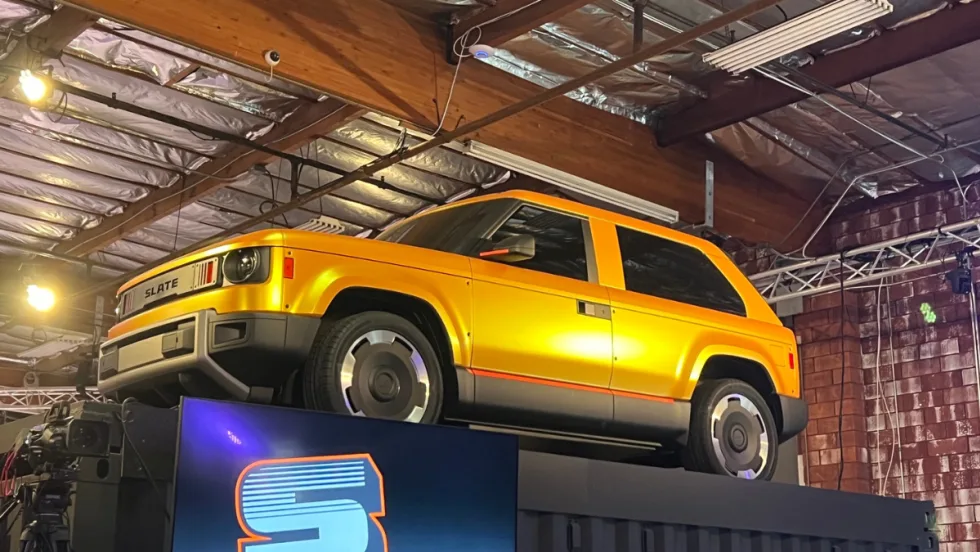
Slate Electric SUV, Pickup Switchable Model Aims For Light-Duty Fleets
Everything about this EV is counterintuitive and understated, making it stand out from the crowd.
Read More →
Inspiration Mobility Acquires Key Electrada Assets
Inspiration Mobility Group has acquired select assets of Electrada, adding the fleet electrification provider's team, technology, and charging infrastructure development capabilities to its energy management business.
Read More →