





Related News: Lightning Day Shows Off Electric Vehicles
Lightning eMotors, Forest River Partner on Electric Buses, Chargers and Products
Lightning eMotors will deliver up to 7,500 zero-emission Class 4 and Class 5 buses across the U.S. and Canada from 2021-2025 while providing full electric power trains, charging products and services.
August 10, 2021
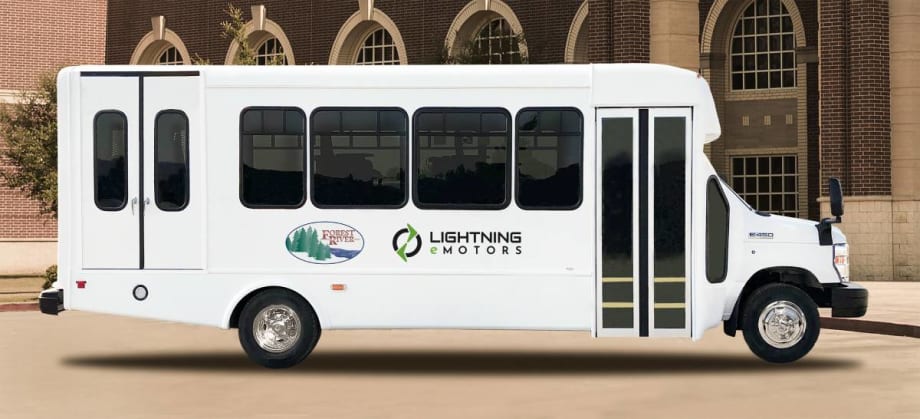
The vehicles that Forest River and Lightning eMotors will co-produce are Class 4 and 5 shuttle buses in floor plans that offer 12-33 passenger seats with ADA options, and bus lengths of 20-34 feet.
Photo: Forest River Inc.
4 min to read
Lightning eMotors (NYSE: ZEV), a provider of specialty commercial electric vehicles for fleets, and Forest River, Inc., a Berkshire Hathaway company (NYSE: BRK.A), announced Aug. 10 they have entered into a strategic partnership agreement to deploy up to 7,500 zero-emission shuttle buses, according to a press release.
The agreement, with a potential estimated value of up to $850 million, calls for Lightning eMotors to build fully electric powertrains and provide charging products, and services for Forest River over the next four and a half years. Lightning eMotors will manufacture the zero-emission-vehicle (“ZEV”) powertrain systems at its 231,000 square foot facility in Loveland, Col. and ship the powertrains to Forest River’s factory in Goshen, Ind., for final assembly of the Class 4 and 5 all-electric passenger buses.
Forest River is a leading shuttle bus maker in North America, with eight manufacturing buildings and more than 500,000 square feet of production space. The Elkhart, Ind.-based company has plans to dedicate 100,000 square feet to install Lightning eMotors’ powertrains.
“This has the potential to be the largest contract ever in the electric shuttle bus market, and we believe it will be the catalyst for other large commercial vehicle OEMs and fleets to accelerate their adoption of commercial electric vehicles,” said Tim Reeser, CEO of Lightning eMotors, in the news release. “Forest River’s family of shuttle bus companies, including top name brands like Starcraft, Glaval, and Champion, maintain a dominant market position selling over 10,000 units per year in the Class 4 to 6 shuttle-bus space. Forest River’s sales volumes allow us to provide a price point to their dealers and customers that results in a very compelling ROI.”
The vehicles that Forest River and Lightning eMotors will co-produce are Class 4 and 5 shuttle buses with gross vehicle weight ratings ranging from 14,500 to 19,500 pounds. The buses will feature battery configurations from 80kWh to more than 160kWh using industry-leading battery thermal management systems. These vehicles support ranges on a single charge between 80 and 160 miles and can recharge over a lunch break using Lightning eMotors’ DC fast charge infrastructure with integrated vehicle-to-grid (V2G) capabilities. Available bus floor plans will offer 12-33 passenger seats with ADA options available, and bus lengths of 20-34 feet. Other features include a modern digital-dash display, hill-hold functionality for safety, advanced telematics, analytics, and a mobile app for drivers and fleet managers. All vehicles will comply with the Federal Transit Administration’s “Buy America” and the Federal Aviation Administration’s “Buy American” guidelines.
“We decided to work with Lightning eMotors after several years of extensive research because of their market and technology leadership in the commercial EV segment,” said David Wright, president of Forest River’s bus divisions,in the release. “I was especially impressed after visiting their manufacturing facility in Colorado, driving their vehicles, and talking to their customers. It is clear why Lightning eMotors is at the forefront of fleet electrification. We’ll be providing our customers with a factory-installed electric powertrain that has proven technology relied upon by major fleets, at a price point no one else has been able to achieve. We believe this will be a game changer for shuttle-bus operators.”
Kash Sethi, chief revenue officer of Lightning eMotors, said that the partnership between the companies is important for several reasons. “Transit agencies and other shuttle operators, including airports, parking lots, hotels, and corporate and university campuses, have had an increasing selection of options for large full-size electric buses,” Sethi said. “However, supply for medium-duty electric buses has been limited to smaller EV companies working with regional dealerships to retrofit buses. This model has proven to be neither cost-efficient nor scalable.”
Forest River’s 100-plus bus dealership locations throughout the U.S. and Canada will have the opportunity to sell and service these vehicles. Manufacturing of Forest River Lightning EV shuttles has already started, and Forest River expects to deliver several dozens of the new electric shuttle buses to its dealerships by the end of this year.
Lightning eMotors’ charging division, Lightning Energy, will offer a comprehensive suite of charging and charging infrastructure related products and services to Forest River dealers and shuttle-bus operators.
Topics:Forest River Inc.shuttle busesLightning eMotorspartnershipselectric busesGreen FleetFleet Forward
Originally posted on Charged Fleet
More Green Fleet
Sponsored•October 1, 2026
New Propane Autogas Program Offers Fleet Compensation
Qualified commercial fleets can receive $7,500 per eligible propane autogas vehicle and up to $10,000 for new refueling site prep. Learn how the program works and see whether your fleet qualifies.
Read More →
EV Charging Use Is Outpacing Infrastructure Growth
ChargePoint’s 2026 Charging Forward Report points to rising charger use, higher-powered charging, commercial vehicle electrification, and energy-management technology. Here’s what fleets should know.
Read More →
Merchants Fleet Reports 290M EV Miles as Fleets Navigate Changing Electrification Market
From millions in operating savings to hundreds of millions of EV miles, Merchants Fleet’s latest report reveals what’s working and what’s changing in fleet electrification.
Read More →
The EV Breakdown Nobody's Talking About: Why Most Electric Vehicle Roadside Calls Aren't Mechanical Failures
Here's why EV breakdowns are widely misunderstood.
Read More →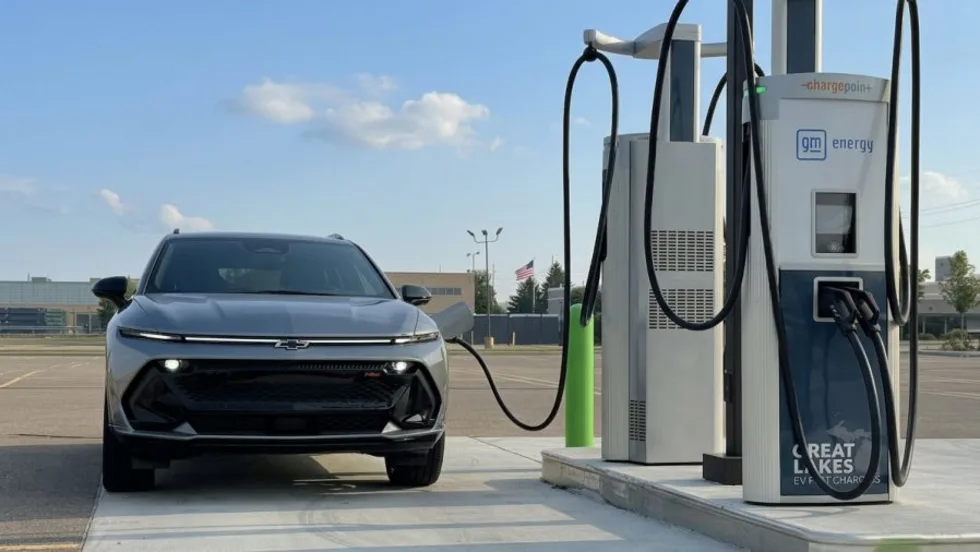
ChargePoint Now Available in Energy Pass
ChargePoint and additional planned charging network integrations were added to GM's Energy Pass.
Read More →
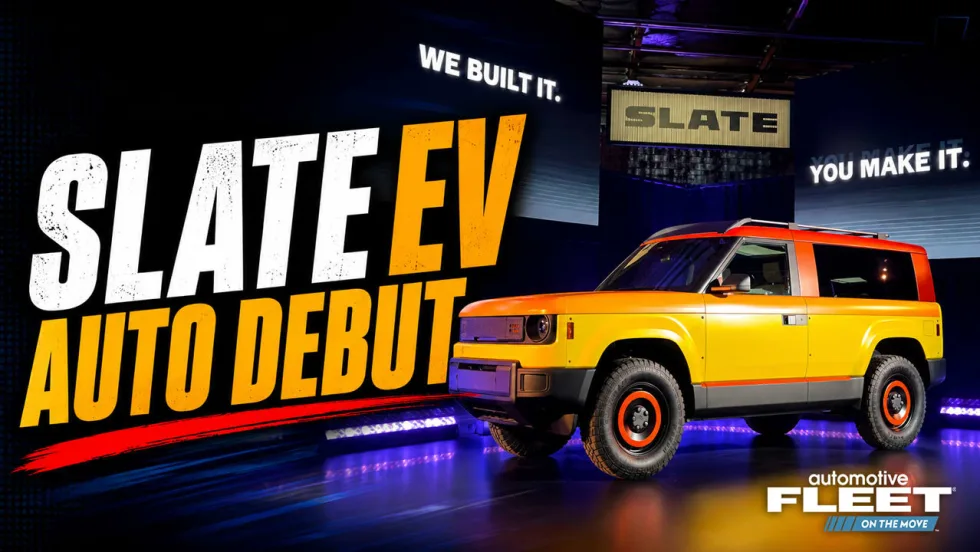
First Look: Slate Auto's Electric Fleet Pickup
Could an affordable, modular EV pickup make electrification more practical for fleets?
Read More →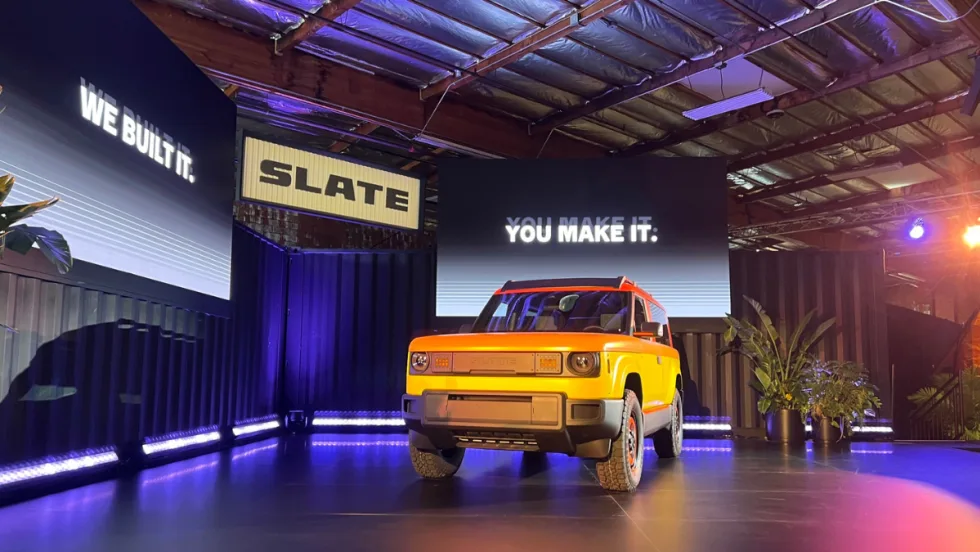
Slate Debuts Colorful, Unique EV Models
A recent media and client event, studded with electric vehicles dressed up on platforms, planted a new position for the manufacturer in the wider EV market. Fleets will find cost-saving advantages.
Read More →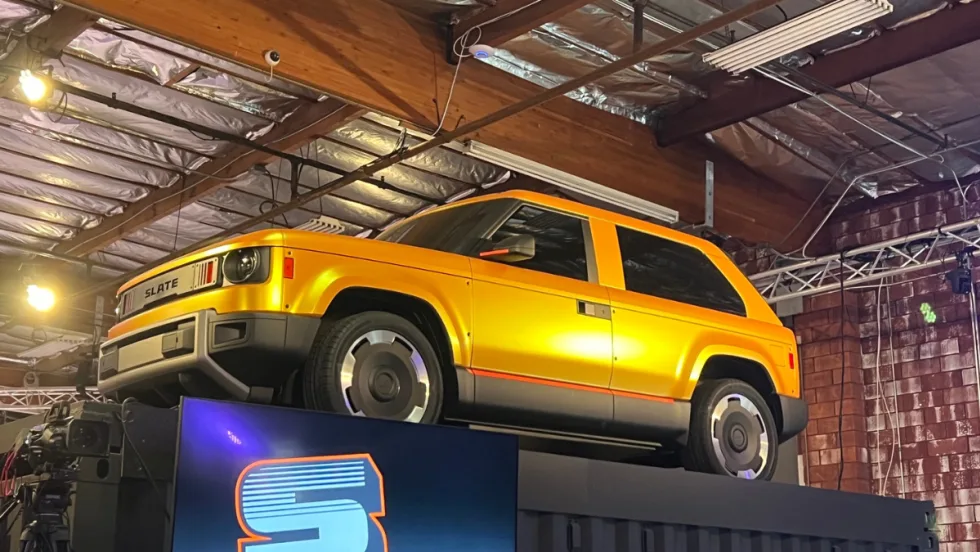
Slate Electric SUV, Pickup Switchable Model Aims For Light-Duty Fleets
Everything about this EV is counterintuitive and understated, making it stand out from the crowd.
Read More →
Inspiration Mobility Acquires Key Electrada Assets
Inspiration Mobility Group has acquired select assets of Electrada, adding the fleet electrification provider's team, technology, and charging infrastructure development capabilities to its energy management business.
Read More →