




Chevrolet Silverado, GMC Sierra Recalled for Fire Risk
Fleet owners and managers need to remain vigilant about the latest safety recalls.


The 2019 Chevrolet Silverado lineup.
Photo via GM file photo/Automotive Fleet.
During the past 20 years, the number of vehicle recalls has skyrocketed in the U.S. By 2017, on average, 3.1 vehicles were recalled for every vehicle sold, according to McKinsey & Company.
While manufacturers seek to anticipate and eliminate them, fleet owners need to remain vigilant about the latest safety recalls.
General Motors recently issued a recall affecting many vehicles, across various models.
Specifically, GM is recalling an estimated 331,274 2017-2019 Chevrolet Silverado 2500, 3500 and 2017-2019 GMC Sierra 2500 and 3500 vehicles equipped with a Duramax diesel 6.6 liter engine and an optional engine-block heater cord.
The issue is that an electrical short-circuit may occur in the engine-block heater cable or in the terminals that connect the heater cable to the block heater, increasing the risk of a fire.
To fix the problem, dealers will disable the block heater, at no cost to owners. GM will provide free replacement block heaters and cords under a separate customer satisfaction campaign. For vehicles previously included in recall 19V-328, the heater cord will be replaced and rerouted, free of charge.
Owner notification letters will be mailed Aug.16, 2021. Owners can reach Chevrolet customer service at (800) 222-1020 and GMC customer service at (800) 462-8782. GM's number for this recall is 212329840.
More Safety

Nexar-Nauto Merger Aims to Give Fleets Better Safety Intelligence Through Larger Driving Dataset
Stefan Heck tells Automotive Fleet that combining more than 10 billion miles of driving history with Nexar's AI models will give fleets deeper insights into driver risk and roadway conditions than either company could provide independently.
Read More →
From Silos to Solutions: Relationship Management for Safer Fleets
From telematics adoption and driver accountability to policy consistency and risk mitigation, this episode breaks down what it really takes to build a safer fleet culture without slowing business down.
Read More →
IIHS Launches First Commercial Vehicle Safety Evaluations
The Insurance Institute for Highway Safety has begun evaluating heavy-duty pickups and cargo vans for driver protection. Which models earned top marks?
Read More →
Reducing Risk by Eliminating Phone Use Behind the Wheel
Hosted with the cofounder of Lifesaver Mobile, this episode addresses phone use behind the wheel and how to design a driving environment that actually helps prevents accidents.
Read More →
Cameras, Safety and Insurance: From Reactive Claims to Real-Time Prevention (Part 2 of 2)
Part Two: Commercial auto remains one of the most challenging and costly lines of coverage for fleet operators and insurers alike. Continue learning more about how to effectively address these issues from Onur Aksan, Enterprise Business Development Executive, Geotab
Read More →
How 5-Second Telematics Data Is Changing Fleet Safety
This episode connects with Steve Santostasi of Ford Pro and covers how a few seconds of data can make a difference in fleet safety.
Read More →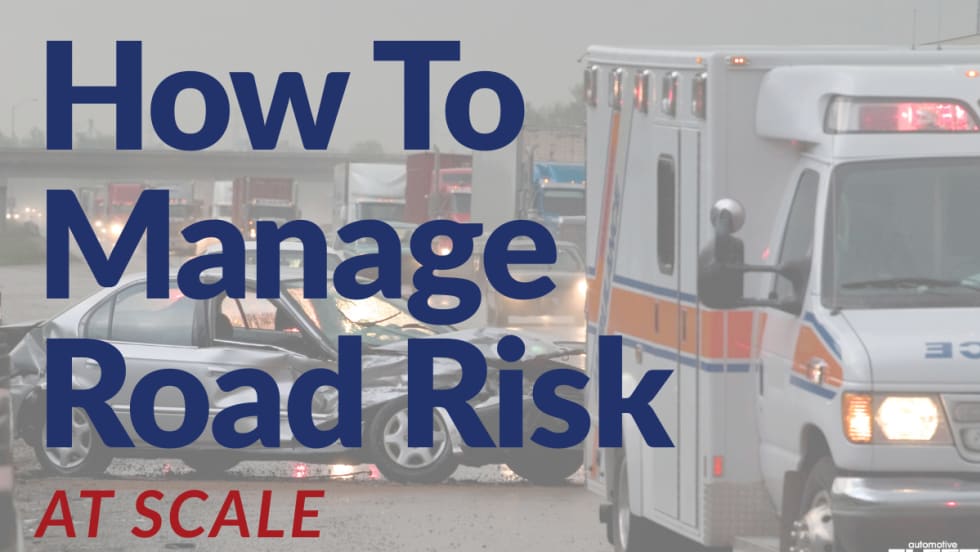
Managing Road Risk at Scale: Why Fleet Safety Needs a Data-Driven Framework
Insights from the FIA Road and Driver Safety Indexes reveal how to manage road risk on a larger scale.
Read More →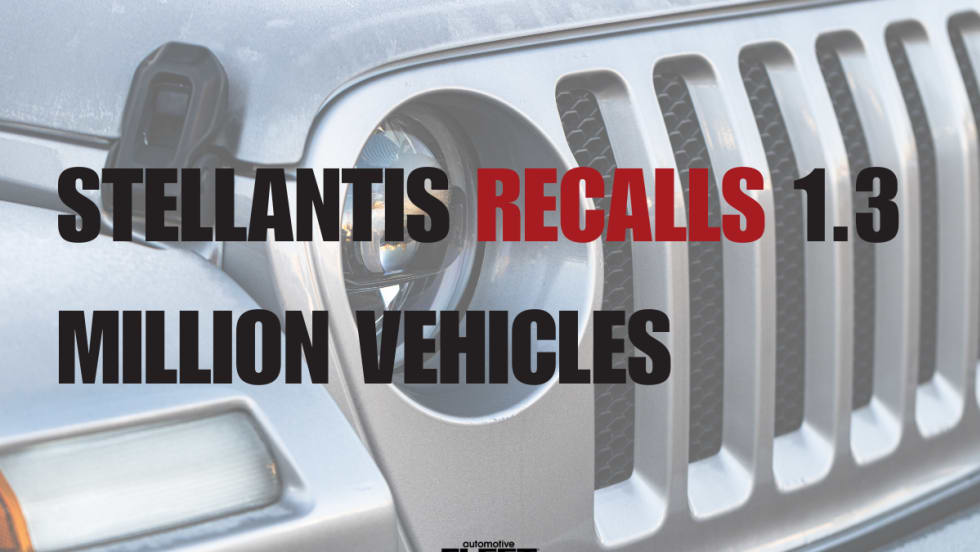
Stellantis Recalls 1.3 Million Jeep Vehicles Worldwide Over Fire Risk
Stellantis is recalling more than 1.3 million Jeep Wrangler and Gladiator models worldwide over a fire risk linked to power steering pump wiring.
Read More →
Coaching Is Not Training, Even When AI Is Doing It
AI-powered safety platforms can detect risky behaviors and deliver immediate feedback. But effective driver development still requires a foundation of training followed by coaching that reinforces those skills.
Read More →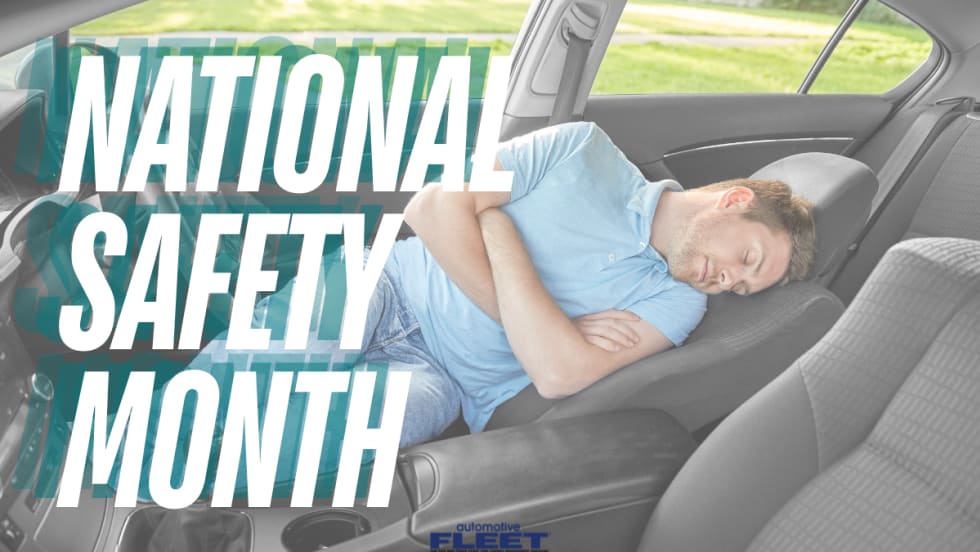
How Emotions Behind the Wheel Can Affect Fleet Safety
During National Safety Month, fleets are encouraged to look beyond distracted driving and recognize how stress, fatigue, and emotional well-being influence driver performance and crash risk.
Read More →