





Related news: Toyota Debuts All-Electric Concept Vehicle
New Clean Assist Program Allows Carbon-Free Charging for Toyota Plug-In Owners
The access is available for eligible Prius Prime and RAV4 Prime owners in California. It allows for 100% of charging energy matched with renewable electricity at no cost to consumers.
May 26, 2021
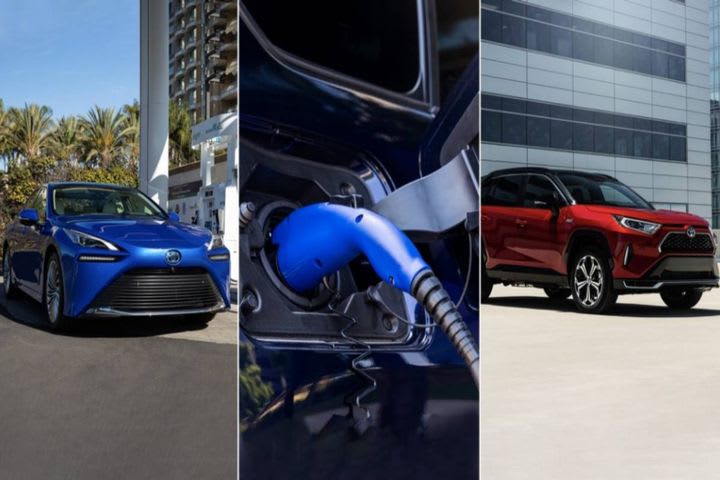
A Toyota App tracks the amount of electricity used during charging.
Photo: Toyota
2 min to read
Toyota aims to help its customers reduce carbon footprints and save money with its new Clean Assist program, according to a May 20 press release.
Clean Assist allows eligible owners of the Prius Prime or RAV4 Prime in California to offset their vehicle charging with 100% renewable energy no matter where the vehicles are plugged in. The program is free to Toyota owners.
Here’s how it works:
Owners of eligible Prius Prime or RAV4 Prime opt into the program through the Toyota App
The Toyota App tracks the amount of electricity used during charging.
Toyota then generates, or buys, an equivalent amount of California-sourced Renewable Energy Certificates (RECs), an EPA-recognized program that records the generation and usage of green energy. It then sends evidence of the matching amounts to the California Air Resources Board (CARB), thereby ensuring that all Toyota PHEV charging activity is matched with zero-carbon electricity.
Whether owners charge up their vehicles at home, the office or on the road, the energy will be matched with 100% renewable power. How much renewable power is easily tracked through the Toyota App where owners see the amount of CO2 they have avoided through the Clean Assist program. Owners can opt out of the program at any time and for any reason through the app.
Toyota is choosing to voluntarily participate in the CARB Low Carbon Fuel Standard (LCFS). This program seeks to reduce California transportation GHG emissions, including through the use of renewable electricity to charge EVs. Charging vehicles with renewable electricity can generate LCFS credits which can then be sold, with the revenues used to further promote transportation electrification and the purchase of more RECs, a virtuous cycle that helps make the program self sustaining.
Originally posted on Charged Fleet
More Green Fleet

Sponsored•October 1, 2026
New Propane Autogas Program Offers Fleet Compensation
Qualified commercial fleets can receive $7,500 per eligible propane autogas vehicle and up to $10,000 for new refueling site prep. Learn how the program works and see whether your fleet qualifies.
Read More →
EV Charging Use Is Outpacing Infrastructure Growth
ChargePoint’s 2026 Charging Forward Report points to rising charger use, higher-powered charging, commercial vehicle electrification, and energy-management technology. Here’s what fleets should know.
Read More →
Merchants Fleet Reports 290M EV Miles as Fleets Navigate Changing Electrification Market
From millions in operating savings to hundreds of millions of EV miles, Merchants Fleet’s latest report reveals what’s working and what’s changing in fleet electrification.
Read More →
The EV Breakdown Nobody's Talking About: Why Most Electric Vehicle Roadside Calls Aren't Mechanical Failures
Here's why EV breakdowns are widely misunderstood.
Read More →
ChargePoint Now Available in Energy Pass
ChargePoint and additional planned charging network integrations were added to GM's Energy Pass.
Read More →

First Look: Slate Auto's Electric Fleet Pickup
Could an affordable, modular EV pickup make electrification more practical for fleets?
Read More →
Slate Debuts Colorful, Unique EV Models
A recent media and client event, studded with electric vehicles dressed up on platforms, planted a new position for the manufacturer in the wider EV market. Fleets will find cost-saving advantages.
Read More →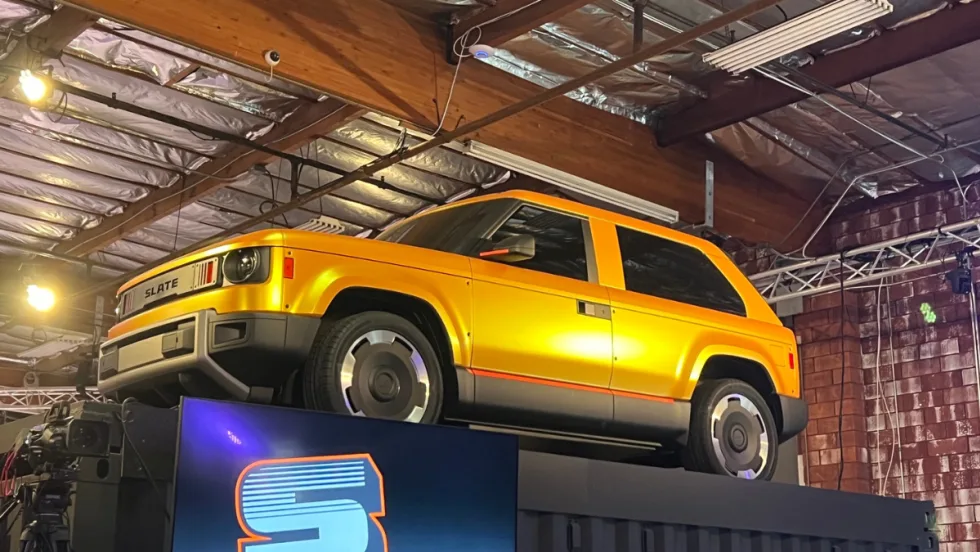
Slate Electric SUV, Pickup Switchable Model Aims For Light-Duty Fleets
Everything about this EV is counterintuitive and understated, making it stand out from the crowd.
Read More →
Inspiration Mobility Acquires Key Electrada Assets
Inspiration Mobility Group has acquired select assets of Electrada, adding the fleet electrification provider's team, technology, and charging infrastructure development capabilities to its energy management business.
Read More →