




What's Ahead for Delivery Fleets in a Post-COVID Market
The challenges of the past 12 months have given delivery fleets many opportunities to learn, innovate processes, and grow.
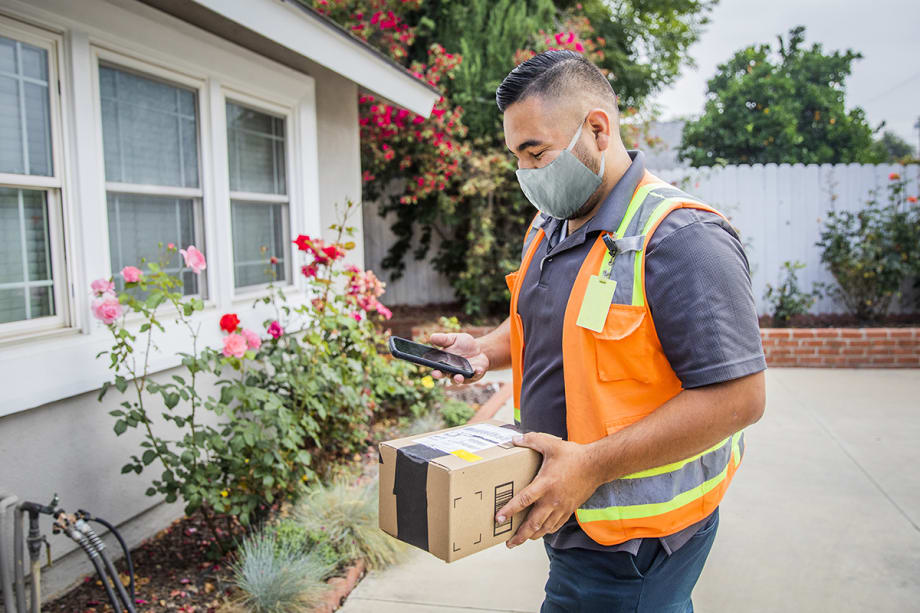
The challenges of the past 12 months have given delivery fleets many opportunities to learn, innovate processes, and grow.
Photo: Getty Images
It’s clear that 2020 was a remarkable year, especially for those in the last-mile industry. As people stayed home to quell the spread of the COVID-19 pandemic, they turned to their devices to order and ship everything from essentials like groceries to extras like new décor and exercise equipment for the homes they were suddenly spending much more time in.
Although light appears to be at the end of the tunnel of the pandemic as more people become vaccinated and restrictions ease, online ordering is expected to continue to grow. Last year retail e-commerce sales worldwide totaled $4.8 trillion, and that number is expected to grow to $5.4 trillion by the end of 2022.
As more consumers continue to expect more convenience, last-mile will continue to be an essential step in the supply chain. Here is what delivery fleets should keep in mind as they move into a post-pandemic market.
Delivery Demand is Here to Stay
As 2020 ended and last-mile companies managed the double-whammy of increased holiday demand plus more online ordering due to the ongoing pandemic – a phenomenon dubbed “Shipageddon” occurred. The industry was curious whether this was the beginning of a neverending peak or a trend that would fade.
Now, as the country reopens and people become more comfortable as vaccine distribution continues, we see that delivery demand is here to stay. According to a study by Technavio, the last-mile delivery market in North America is expected to see a year-over-year growth rate of 16% from 2021-2025. At Merchants Fleet, our last mile business is up 108% year-over-year when we compare Q1 of 2020 to Q1 of 2021.
Flexibility is Key
This sustained demand for delivery means that flexibility is more critical than ever for last-mile fleets. Fleets in this industry have two components of their fleet to consider: the scaling up of long-term assets to expand to meet growing demand and needing a selection of flexible rentals to scale up and down according to seasonal peaks.
In some instances, such as retail brands that have traditionally relied on third-party contractors but are seeing sustained demand, now may be the time to invest in assets for long-term, in-house delivery services. There are several ways that delivery fleets can stay flexible to meet changing demands while keeping costs down:
Transition vehicles that started as short-term rentals but are still on the road to long-term funding arrangements. This change can reduce your monthly vehicle payments.
Analyze your vehicle use carefully to determine what is sustained demand and what is a temporary surge. Understanding vehicle usage patterns and your specific seasonal cycles can help you ensure that you have the right mix of long-term assets and short-term rentals.
For example, it may not make sense to purchase vehicles or sign for a long-term funding arrangement if you need vehicles for a holiday surge. Still, it may be advantageous if your company is experiencing longterm growth.
Your fleet can be a source of equity if your business needs cash flow to grow. Selling vehicles you own but no longer need is one way to get a quick cash infusion. If you own vehicles, but they need to stay on the road, you can sell them to a fleet management firm and then lease them back at an affordable rate, so you extract your equity without losing route coverage.
It’s All About Finding Vehicles
Currently, last-mile delivery fleets are being squeezed by the semiconductor shortage, which is dominating supply chain headlines. Several OEMs have announced production cutbacks this year, causing sudden shifts in buildout dates and closures of order banks. Unfortunately, the semiconductor shortage is not a problem with a short-term fix, so supply impacts are expected to be ongoing.
Ultimately, the resulting vehicle acquisition challenges can be a significant constraining factor for last-mile operations looking to add routes. Last-mile fleets must stay proactive and flexible by acting quickly and decisively.
Whether your fleet factory orders or shops out of stock, you must place orders quickly when vehicles are available. Used vehicles are another alternative source your fleet can tap into if new vehicles are difficult to acquire.
Now is the Time to Get Ready for Electric
Delivery vans are expected to be the next segment of vehicles to cross the EV tipping point, with a report by BloombergNEF projecting that 28% of light commercial vehicle sales will be EV by 2030. The Department of Energy is expecting EV Regional Haul and Class 6 box trucks to reach cost parity before 2030 and long haul to reach cost parity just after 2030. With major players in the industry like Amazon committing to electrifying their fleet.
Delivery fleets need to evaluate their EV options and integrate EVs into their strategy for the near term. Most importantly, EVs are expected to deliver significant cost savings due to their reduced
need for maintenance and their high efficiency, so last mile fleets should be assessing financial and operational feasibility now.
The challenges of the past 12 months have given delivery fleets many opportunities to learn, innovate processes, and grow. By staying proactive and flexible and keeping an eye toward future technologies, delivery fleets can continue to take advantage of market conditions and find new opportunities in the post-pandemic landscape.
About the Author: Diana Holland is VP, Strategic Accounts at Merchants Fleet and has more than 20 years of experience in the fleet management industry.
Originally posted on Work Truck Online
More Operations

Here's When You Should Make an Exception to Fleet Policy
Fleet policies are designed to create consistency, but not every driver or situation fits neatly within standard rules.
Read More →
AI-Native or AI-Acquired: What Should Fleet Managers Look for in an AI Platform?
Six questions can help fleet managers look beyond AI marketing claims to evaluate integration, data access, and real-world operational performance.
Read More →
A buyer's guide to fleet management software in 2027
Buying fleet management software in 2027 means looking beyond features and price. As fleet operations, technology and expectations evolve, this guide explores what today’s fleet professionals should consider when choosing a system that can deliver value now and adapt to what comes next.
Read More →

What Will Shape the Next Era of Fleet Management?
EVs, AI, and autonomous vehicles are reshaping fleet management. Discover what’s ahead—and how fleet leaders can prepare for the next era.
Read More →
How Fleets Can Recruit and Train Veterans for Technician Roles
Here's how the technician shortage has affected uptime for fleets, and what to do about it.
Read More →
Avis Budget Group Deploys Neology Toll Management Technology Across Major Brands
Neology’s neoFleet platform will manage toll transactions and toll-authority operations for vehicles across Avis, Budget, Payless, Budget Truck and Zipcar.
Read More →
Fleet Personal-Use Charges Edge Higher in 2026
Nearly eight in 10 surveyed fleets allow personal use of company vehicles, while just over half of respondents report charging employees for the privilege.
Read More →
The Future of Fleet + What’s Changing Right Now | AF News Recap
Could developments overseas offer a preview of what’s coming for U.S. fleets? This week, we’re looking at the future of AI, autonomy, and electrification, plus Ford Pro’s new certified pre-owned program, smarter vehicle offboarding, and a new way for fleets to manage toll expenses.
Read More →
How to Handle Vehicle Offboarding
What do fleet managers need to do when a driver leaves?
Read More →
Fleet Manager’s Ultimate Playbook: Navigating the New Standard in OEM Connectivity
Rising operating costs, driver safety concerns, and unplanned downtime are putting unprecedented pressure on modern fleets. Discover how fleet managers use embedded OEM connectivity and real-time vehicle data to cut TCO, prevent downtime, and protect drivers without aftermarket telematics hardware.
Read More →