




Everything in Fleet Depreciates Except Fleet Manager Expertise
Fleet management is a very complex profession, and true industry education is learned from on-the-job experience.


Every fleet asset depreciates over time except fleet intellectual capital, which appreciates in value the more expansive it becomes and the longer it is used. Fleet management is a very complex profession, which requires a tremendous amount of specialized institutional knowledge that is primarily gained through on-the-job experience.
In fact, this applies to most operational positions and is a key reason why most agree that a company’s most valuable assets for this function are its employees.
As fleet managers will tell you, true fleet education is learned from on-the-job experience — the proverbial school of hard knocks. Unfortunately, this real-world experience will never be fully learned unless you have longevity in your position.
Many fleet functions are cyclical, such as vehicle replacement cycles or annual budget preparation. Consequently, with each successive time you perform these responsibilities or similar tasks, the better your performance. The osmosis of deep fleet knowledge is a long process because of the cyclicality of fleet it takes years of repetition to experience all of the nuances, variations, and unexpected hiccups that can occur.
Deep Subject-Matter Expertise
Running a fleet is a complex job in and of itself, but operating a well-managed fleet – year-after-year – can only be accomplished by someone who has deep subject-matter expertise. A competent fleet manager can easily save a company millions of dollars by implementing the right fleet policies, selecting the right fleet suppliers, and driving the metrics to effectively move the needle on productivity, vehicle uptime, fleet utilization, and cost-effective management of both fixed and operating costs.
Because of their deep institutional knowledge, long-time fleet managers understand the strategic direction of their company. There is a direct correlation between subject-matter expertise and career longevity. Both are interrelated and symbiotic. In fact, your knowledge of fleet management, on average, is proportional to your time spent in fleet management. Common sense says you become better at any job the more you do it and the more time you “spend in the saddle.”
The value an in-house fleet manager brings to a company is multi-faceted but it is primarily based on institutional knowledge and specialized skillsets. Fleet managers are dedicated professionals who are specialists in a very unique corporate function that requires working with different cross-functional departments. The fleet manager position occupies a critical juncture in most organization’s hierarchy because fleet job responsibilities intersects with other departments, such as HR, sales, procurement, operations, risk management, legal, finance, and administrative services. With experience, you internalize the appreciation that these are your internal fleet customers and, as the fleet manager, you need to focus on fulfilling their needs and objectives. To be truly successful, the fleet manager position must be viewed as a customer-driven function.
Interdepartmental cooperation is critical to operating a best-in-class fleet operation. You must strive to closely align your fleet operations with the needs of your internal customers or user departments. But, as we all know, this is often easier said than done. The needs of some user departments are in conflict with the fleet needs of other user departments.
For instance, there is the constant challenge of balancing the requirements of HR and driver requests against the requirements of the finance department and procurement. Often these requirements contradict one another. A fleet manager must know how to navigate these challenges and view their responsibilities from the perspective of the internal customers. The fleet manager is a servant-leader who manages the fleet to support these objectives.
Longevity is the Key
Since fleet is ever-changing, you must be able to adapt to change, instead of fighting it. This professional orientation and philosophy will increase your fleet longevity quotient. Not only are long-time fleet professionals able to adapt to change, but they are also willing to recommend change. While good fleet managers adapt to change, long-time fleet managers are the ones who thrive on change.
Longevity is the secret to being exceptionally good at fleet management, which cannot be learned from a book. There are four key traits that lead to career longevity – flexibility in the face of change, a desire to be a lifelong learner, the ability to have an open mind, and the management skills to be a team player.
Additionally, long-time fleet managers know how to promote their accomplishments without being perceived as self-promoters – you’ll never survive if management doesn’t know what you do.
I learned long ago that it is impossible to be a true expert in fleet management. It is a continually evolving industry and the best that we can hope is to keep pace with the changes and perhaps gain the insight to peer a little beyond the horizon. I’ve been fortunate to have the opportunity to know many of great fleet managers in North America, Europe, and LatAm. I learned many valuable lessons from these fleet managers on how knowledge, collaboration, and leadership skills can be used to develop a best-in-class fleet operations.
Most fleet managers are lifelong learners who believe that a day without learning is a day wasted. However, you tend to internalize this truism only with real-world experience. There are many things that appreciate in value with age, such as good wine and classic cars, but so too does a fleet manager’s knowledge and subject-matter expertise.
Let me know what you think.
More Blog Posts

Fleets Want Trust Restored with Suppliers
During this period of ongoing supply constraints, the trust that fleet managers had with OEMs, upfitters, and dealers has been strained. Fleet managers say they have had too many experiences over the past three years coping with erroneous information, adjusting to multiple price increases, and feeling betrayed by inadequate transparency from suppliers.
Read More →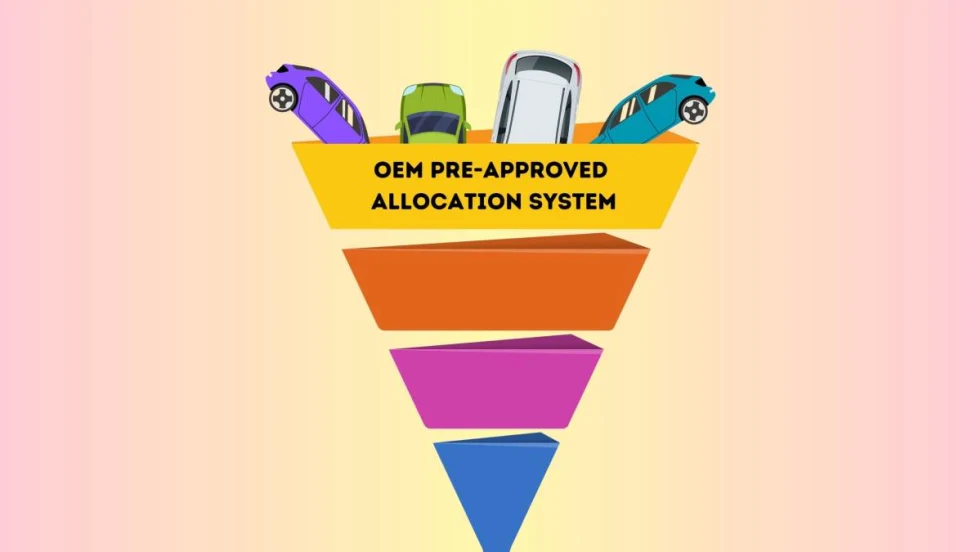
Scheduled Replacement Cycles Are Becoming a Distant Memory
The ongoing difficulty in sourcing replacement vehicles is forcing companies to extend the service lives of vehicles that are unable to be replaced, which, inevitably, increases unscheduled maintenance expenses.
Read More →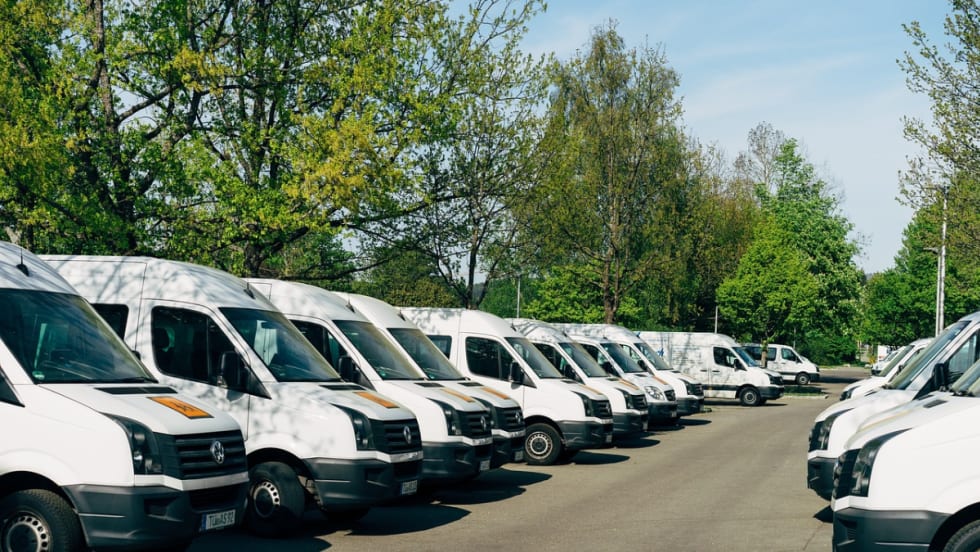
Fleet Simplification is the Antidote to Asset Variability
Fleet simplification identifies asset functions to uncover commonality among the equipment and assets. Simplification increases operational efficiency as end-users become accustomed to the controls, displays, and operation of less diverse units.
Read More →
The Dangers of Static Fleet Policies
A fleet policy is a living document, flexible enough to adapt to evolving business priorities, developing industry trends, and changing industry best practices and standards.
Read More →
Short-Term vs. Long-Term Cost Reductions
Corporate procurement staff are often driven by short-term, immediate cost reductions. However, a longer perspective to soft cost savings is critical because fixating on short-term results will hurt a company in the long run.
Read More →
Uptick in Unscheduled Maintenance Increasing Vehicle Downtime
Fleet data analysis can identify recurring downtime issues. It’s important to determine the root causes of downtime so procedures can be developed to minimize such problems.
Read More →
Eliminate Needless Curb Weight to Maximize ICE & EV Efficiencies
Vehicle weight relates directly to fuel economy. In today’s era of electrification, there is also a direct correlation between vehicle weight and battery range.
Read More →
Tech Dependence Risks Dumbing Down Fleet Manager Expertise
The line between creative thinking and problem solving and doing what the data indicates is thin. To lead in fleet management, you need to balance understanding the fundamentals and embracing what smart technology offers.
Read More →
Leverage the Synergy of Safe Driving to Achieve Sustainability and Cost Goals
Safe driving, emission reductions, and cost containment can all be achieved at the same time.
Read More →
The Playbook for Fleet Manager Success
There are many paths to success — most of them involve being flexible, open-minded, and willing to learn.
Read More →