


 MENU
MENU SEARCHMENUSEARCH
Featuring over 100 vehicles and 70 charging stations, the Evie Spot Network is the nation’s largest public electric mobility program and represents more than three years of intracity collaboration with the communities closest to the program area.
Read More →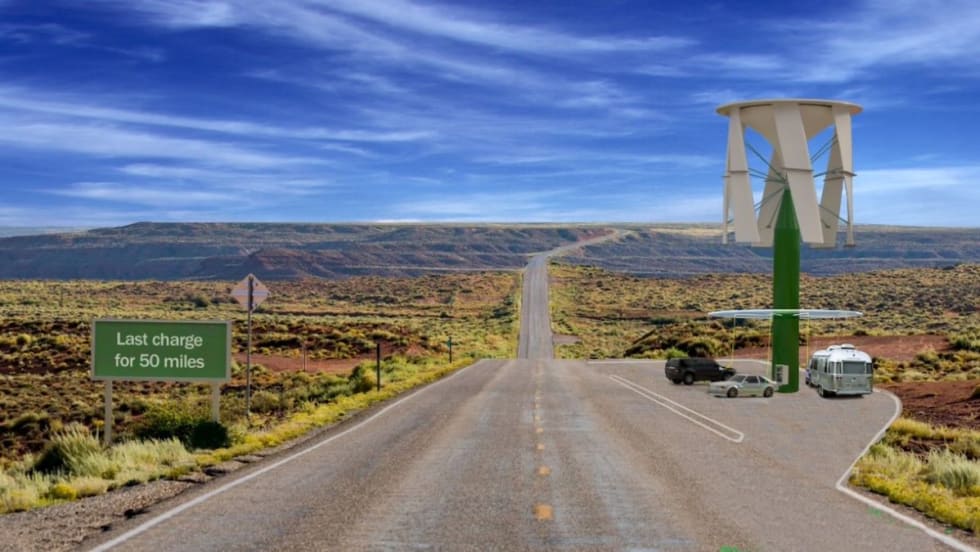
Change Wind Corporation introduces the Wind & Solar Tower that provides Level-4 pollution-free DC ultra-fast charging for electric vehicles just about anywhere.
Read More →
On May 9, the new announcement will mark the next key milestone on the road to zero emissions for all Ford vehicle sales in Europe and carbon neutrality across its European footprint of facilities, logistics, and suppliers by 2035.
Read More →
In partnership with the Munich Transport Company MVG, Sono Motors’ solar bus trailer can offer a possible savings of up to 2,500 liters of diesel per year as well as reducing local carbon dioxide emissions by more than 6.5 metric tons per bus.
Read More →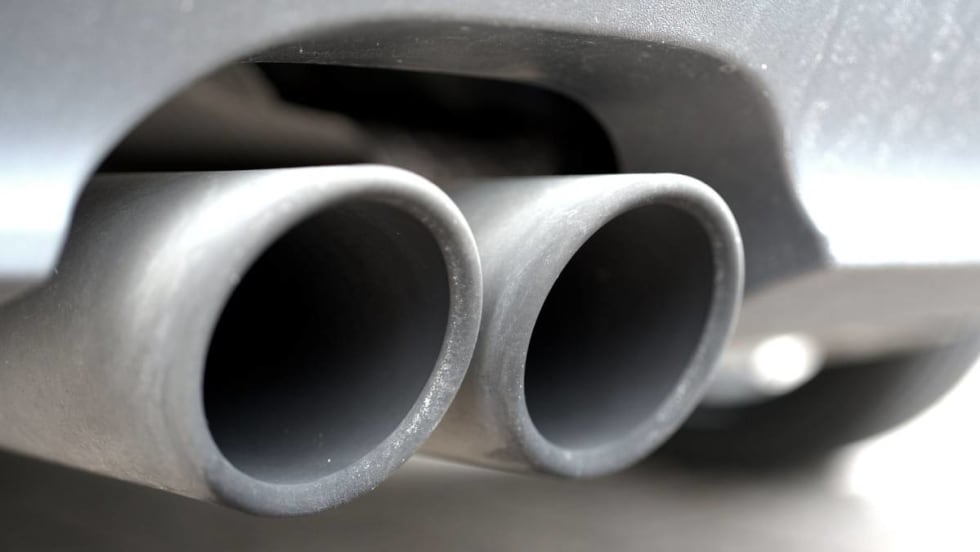
Under the government agency's new CAFE standards, passenger cars and light trucks will have new economy requirements in an effort to increase efficiencies and reduce emissions.
Read More →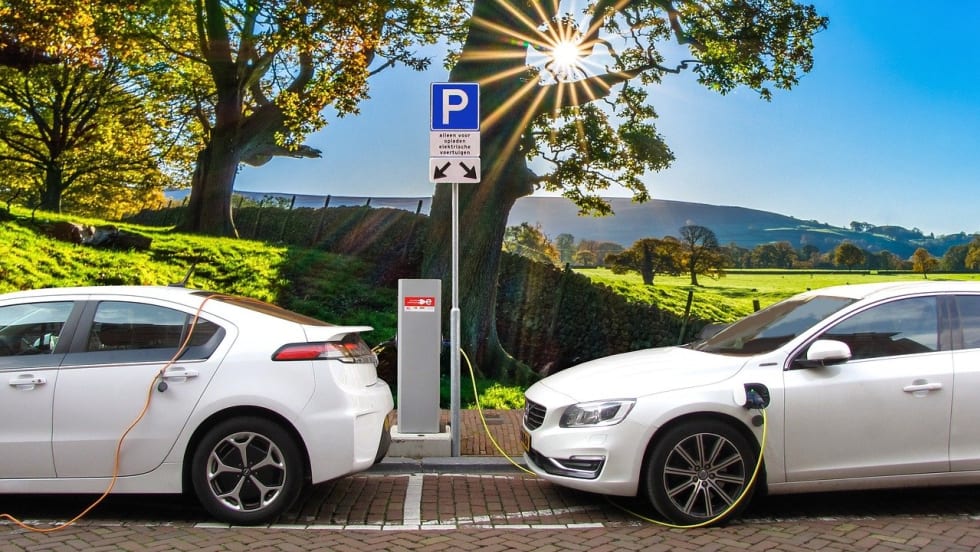
Electric "vehicle-as-a-service" programs is one solution that would help meet goals around EV sales and adoption, making a significant dent in emission reduction.
Read More →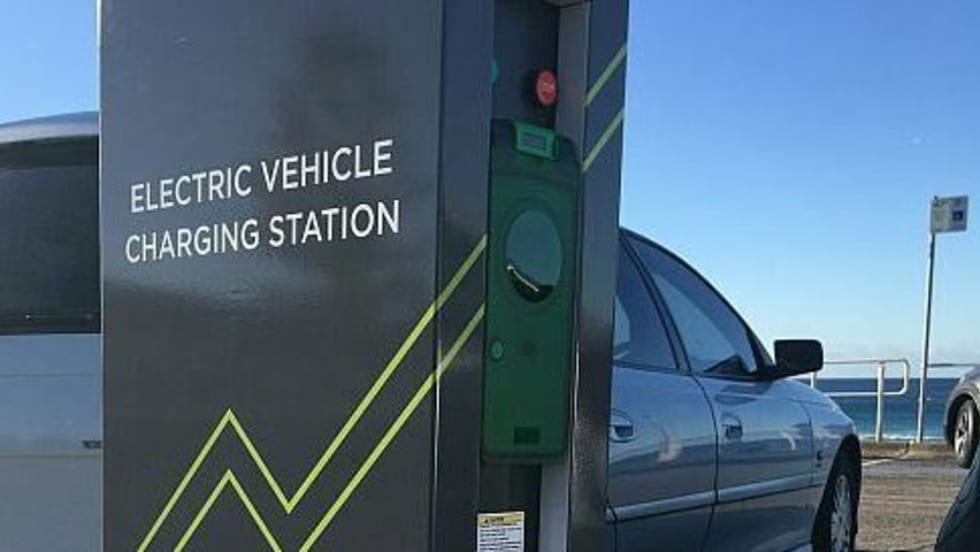
According to Minister for Industry, Energy and Emissions Reduction (IEER) Angus Taylor, the financing supports Australian businesses rolling out low-emissions transport technologies while creating new jobs.
Read More →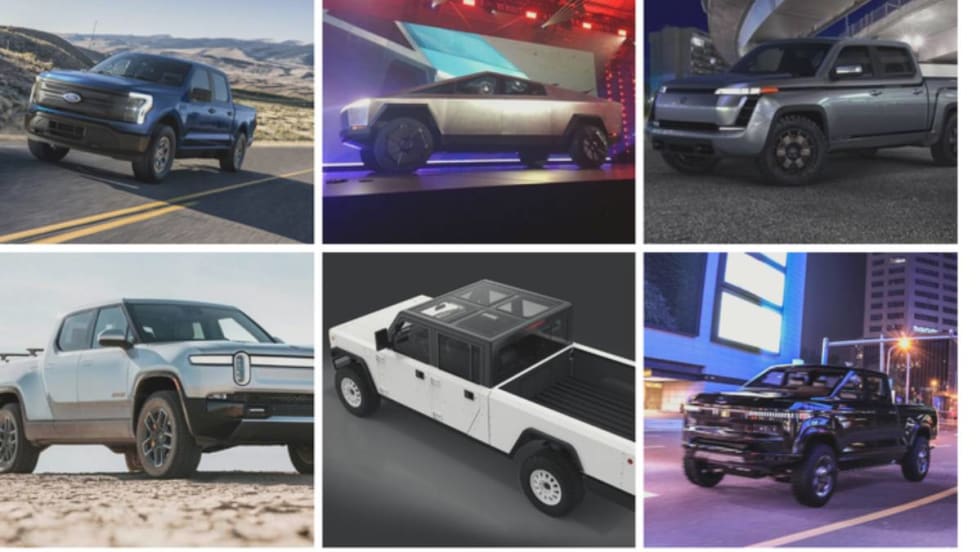
What does pickup truck electrification mean for the decarbonization of the ground transportation industry? Recent findings from a Ford academic analysis compared the climate results of electric vehicles with ICE ones.
Read More →
The Future Fuels Program is a $127.9 million funding envelope to support fleets in the shift to new zero-emissions vehicle (ZEV) technology over the next four years.
Read More →
The new Fighter is upgraded with Euro V-compliant emissions technology and achieves a 60% reduction in greenhouse gas emissions and 80% fewer particle emissions compared to the previous model.
Read More →