




More Reading: Interest in EVs and Hybrids Spikes As Fuel Prices Soar
EVs Need a New Business Model to Make a Dent in Emissions
Electric "vehicle-as-a-service" programs is one solution that would help meet goals around EV sales and adoption, making a significant dent in emission reduction.
by Paul Hirsch, Launch Mobility
March 31, 2022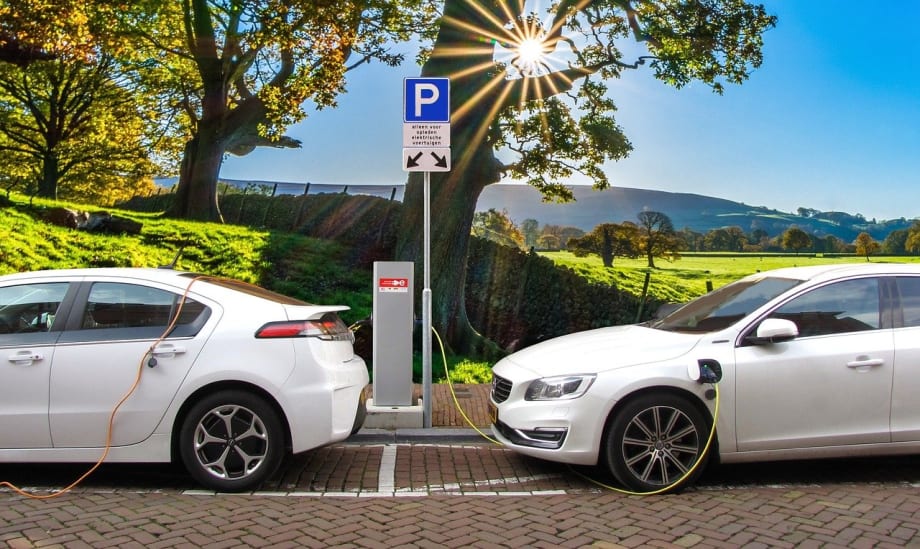
Making consumer use of carsharing, rental, and subscription programs more accessible and an attractive alternative to EV ownership would provide a significant impact on shifting gas miles to electric.
Image by (Joenomias) Menno de Jong/Pixabay
3 min to read
Some are proclaiming this the "Year of the Electric Car," and the current environment may lead one to believe that EV sales are primed to accelerate. But the impact we want — significantly fewer gas miles — will elude us unless we adopt electric Vehicle-as-a-Service (VaaS) programs.
Factors are aligning to drive electric vehicle sales higher. The U.S. government is investing billions in charging infrastructure and battery development. The global response to Russia’s invasion of Ukraine demonstrates the geopolitical and supply side risks of our reliance on foreign oil. And yes, gas prices suck.
But the industry has a long way to go before electric vehicles make a dent in climate change or energy dependence. Last year, when supply chain issues slowed the supply of gas-powered cars, EVs still only accounted for 9% of global car sales. And even if EV sales were 100% of the market, the vast majority of vehicles on the road would still be spewing fossil fuel emissions.
Why? The vast majority of cars are not new! In fact, the average car is getting older. From 1971 to 2001, the average age of cars in the U.S. grew from seven years of age to eight. But in the 20 years since then, the average age jumped to nearly 12 years. Other parts of the world pose an even bigger problem, with less stringent emissions regulations and even older fleets than the U.S. (see Russia, 13.6 years, and Argentina, 17 years). To replace a gas-powered fleet at that rate will take far more time than we have.
What’s more, the average price of a new electric vehicle topped $50,000 last year. EVs today are luxury vehicles, and while automakers talk about a future of mass market electrics, cheaper models are not part of near-term product plans. Contrast that with the fact that vehicle age is inversely related to household income. That means the worst-emitting vehicles are owned by households that cannot afford to buy a new EV. Personal ownership alone does not offer the accessibility we need to reduce these “entrenched” fossil fuel miles.
VaaS provides a way to shift more miles from gas to electric without the barrier of buying a new, expensive EV. As we define it here, VaaS encompasses all the ways users can access personal transportation via alternatives to ownership — sharing programs, rentals, and subscriptions, for example. And accessibility is the key: the simpler it is to register, consume, and pay per use for an EV, the more likely it is that gas vehicle owners will switch to EVs for at least some of their miles. The more options we can offer to shift miles from gas to electric, the closer we can come to meeting our societal goals.
As an example, Uber has lined up EV offerings for its many drivers who need a vehicle to work on their platform. Uber has incentivized the use of EVs by collecting a surcharge for “Uber Green” rides and paying a portion to the driver. And because these vehicles are available on a short-term basis, drivers can easily switch from their existing gas-powered vehicles to a green vehicle. When gas prices surge, like they did after markets responded to Russia’s war, drivers are able to react quickly. Less gas; more electric.
In order to drive the shift away from petroleum-based fuel, we need solutions that can penetrate to the “entrenched” miles driven by vehicles that will be on our roads for years to come. This requires making clean fleets more accessible. The transportation industry needs to adopt VaaS en masse to accelerate the transition to EV miles, because the environment is not in a mood to wait.
About the Author: Paul Hirsch is CEO of Launch Mobility, a technology platform for mobility service operations.
This article was authored and edited according to FF editorial standards and style. Opinions expressed may not necessarily reflect that of FF.
Subscribe to Our Newsletter
More Fleet Forward

Fleet Forward Conference Introduces One-Day Passes for 2026
New one-day registration gives fleet professionals the flexibility to attend Tuesday, Wednesday, or Thursday, with passes available for $199 through Sept. 18.
Read More →
Vibe Coding: When Fleet Managers Become Software Builders
Five fleet professionals — none with programming skills — discuss how they’re using AI to build fleet solutions in-house and in a fraction of the time.
Read More →
Fleet Forward Conference Tackles Fleet Industry’s Growing Leadership Gap
This session will examine succession planning, knowledge transfer, and the skills the next generation of fleet leaders will need as veteran professionals leave the industry.
Read More →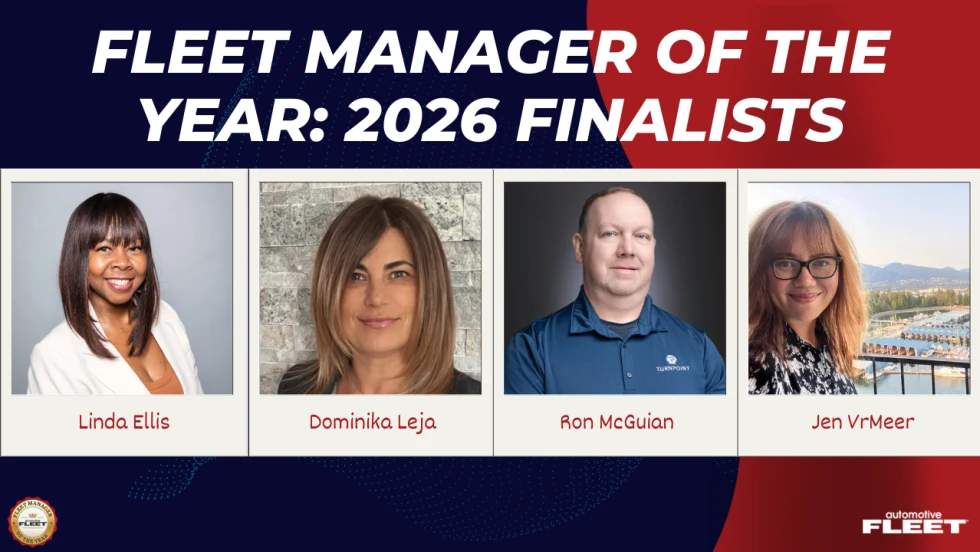
2026 Fleet Manager of the Year Finalists Announced
Who are the 2026 Fleet Manager of the Year finalists?
Read More →
John Rossant to Deliver Opening Keynote at 2026 Fleet Forward Conference
The CoMotion founder will draw on developments across Europe, China, the Middle East, and other international markets to identify trends that could influence how U.S. fleets plan for the coming decade.
Read More →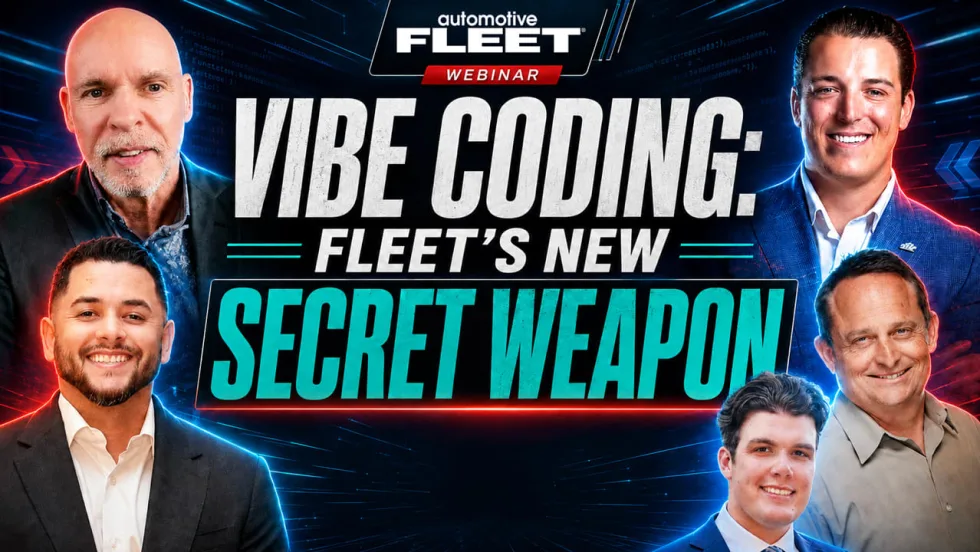
How to Build Custom Fleet Tools With AI and Vibe Coding [Webinar]
A new Automotive Fleet webinar explores how fleet managers are using AI and vibe coding to automate routine work and create simple operational tools without traditional programming skills.
Read More →
Is Fleet Ready for Its New Disruptors?
Three emerging leaders from a corporate fleet, public fleet, and the automotive supply chain will bring new ideas and a willingness to challenge industry norms to the Fleet Forward Conference stage.
Read More →
NAFA Announces 2026 Fleet Safety Symposium Education Program
Register for NAFA’s Fleet Safety Symposium and save $200 on your Fleet Forward Conference registration.
Read More →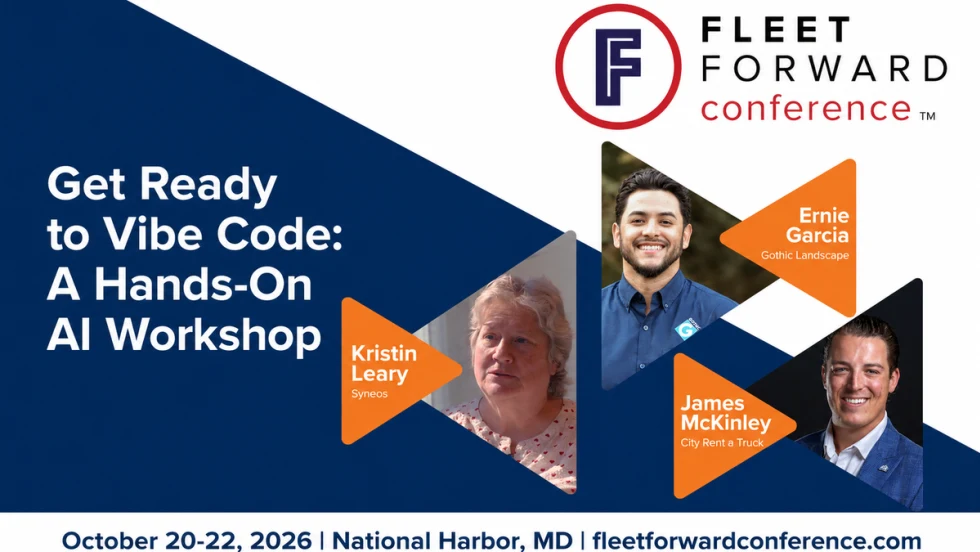
Fleet Managers Take the Lead in Hands-On AI Workshop at FFC
The fleet manager-led session will show how to use “vibe coding” to build practical fleet tools without a traditional programming background.
Read More →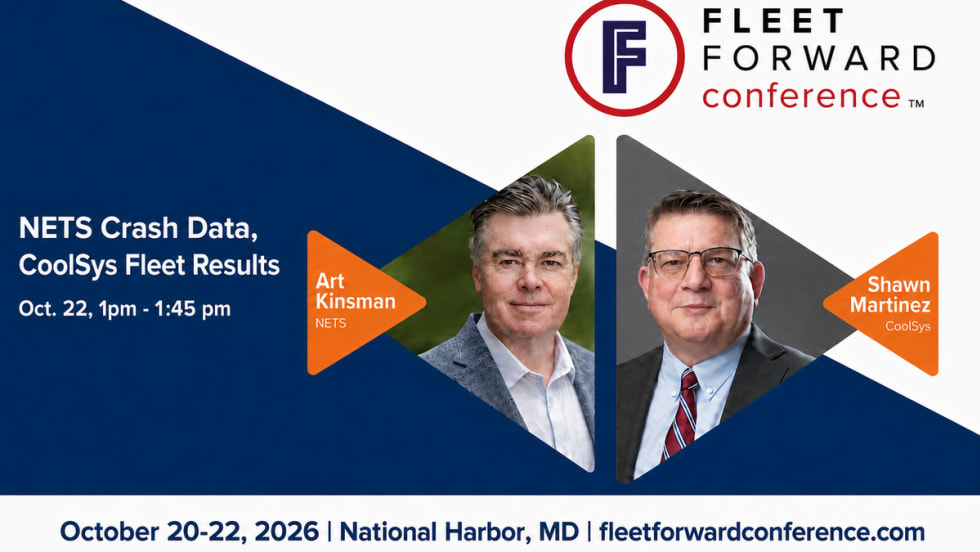
NETS Crash-Cost Data and CoolSys’ 80% Loss Reduction Take Center Stage at FFC
NETS will present findings from its latest Cost of Crashes research, then CoolSys safety leader and author Shawn Martinez will explain how the company built a safer driving culture across 3,500 employees.
Read More →