


 MENU
MENU SEARCHMENUSEARCH
Loading data...
Some commercial fleet drivers aren’t properly caring for their vehicles, nor are they driving safely, which can raise operating costs and increase risk, fleet managers have told Fleet Financials.
Read More →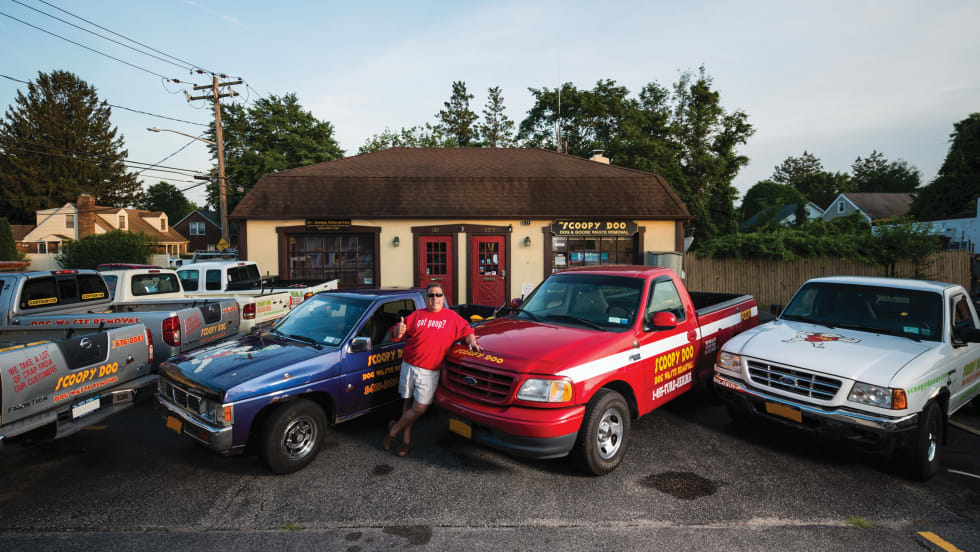


While telematics systems are designed to improve fleet safety, merely installing a system isn't enough — it's how you manage the data and alerts with your drivers that really makes the difference.
Read More →The co-existence between autonomous and human-controlled vehicles (along with others who use public roads) will bring new issues into play, primarily because self-driving vehicles will be built to be inherently law-abiding and risk averse. As we approach this new era, the question is how seamlessly will autonomous and human-controlled vehicles co-exist? One thing is certain, as we trail blaze new ground, so too will we trail blaze new problems.
Read More →These are some of the tried-and-true methods that fleets should consider when looking to reduce fuel costs.
Read More →The second annual Driver Scorecard Benchmarking Survey, with data provided by ARI, followed up on the results from the inaugural benchmark. This year, ARI provided data from 80,000 vehicles.
Read More →The fundamental requirements of your business necessitates minimum fleet equipment specifications that, as a result, pre-define the expense parameters from both a fixed and operating cost perspective. If you acquire vehicle assets that best fulfill your fleet application, then any supplemental cost reduction will only be based on incremental refinements The best way to achieve additional cost reduction is by modifying driver behavior.
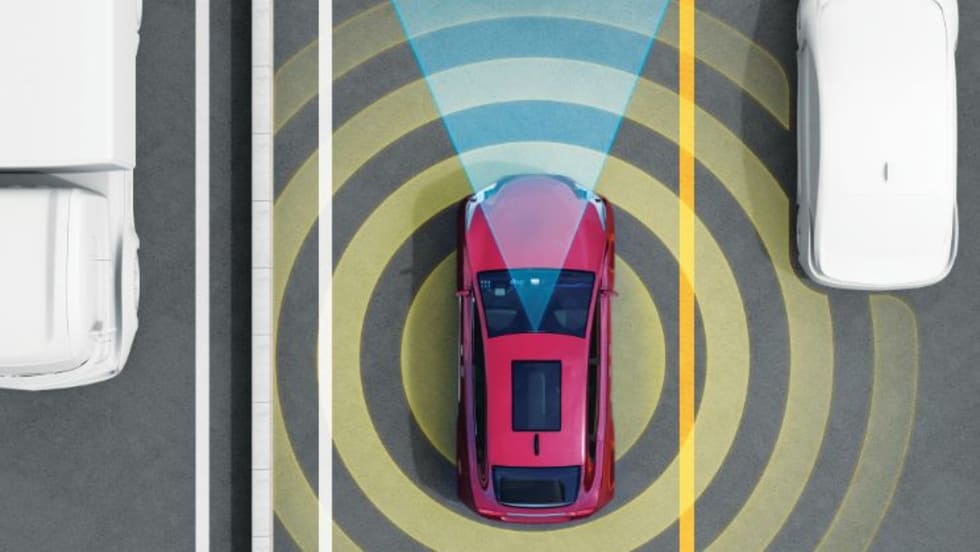
Read More →With features such as frontal and radar-based collision avoidance systems, blind spot warning, cross traffic alerts, and rear-view cameras, it is important to educate drivers to rely on their senses.
Read More →In fleet management, when it comes to these three important aspects that often require paperwork and tracking multiple moving parts, fleet managers can turn to telematics software to make those tasks a little less stressful.
Read More →New tools are available that can help fleets more closely monitor fleet driver behavior, better identify high-risk drivers, and improve the bottom line.
Read More →Routing has evolved from simply getting a driver from point A to point B. Today’s GPS routing and telematics solutions have made routing more efficient, safer, and dynamic.
Read More →