


 MENU
MENU SEARCHMENUSEARCH
Loading data...
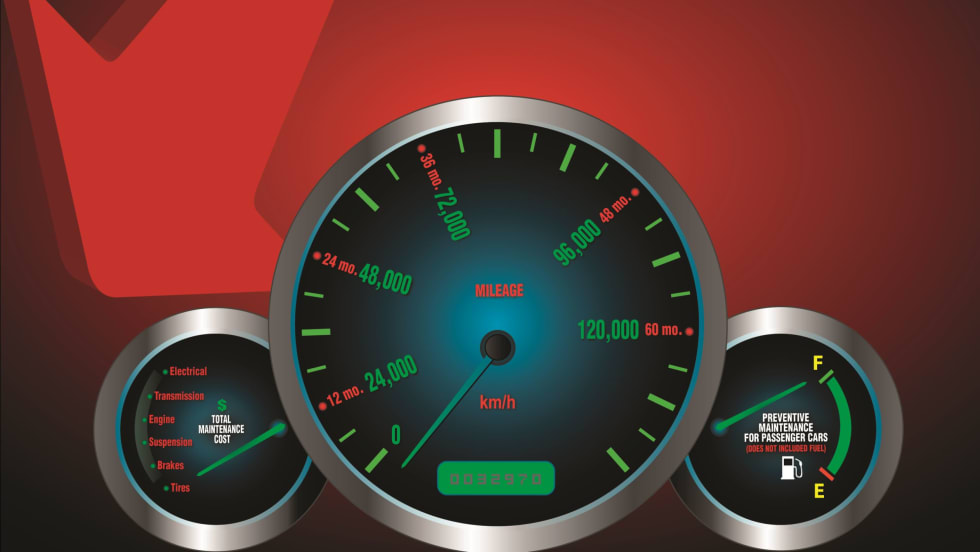
A decrease in average tire expenses helped offset slight cost increases for higher frequency of repairs and preventive maintenance.
Read More →
Lengthening vehicle replacement cycles significantly affects such bottom-line important issues as fleet maintenance budgets, fuel economy, resale values, safety and ergonomics issues, company image, and driver morale.
Read More →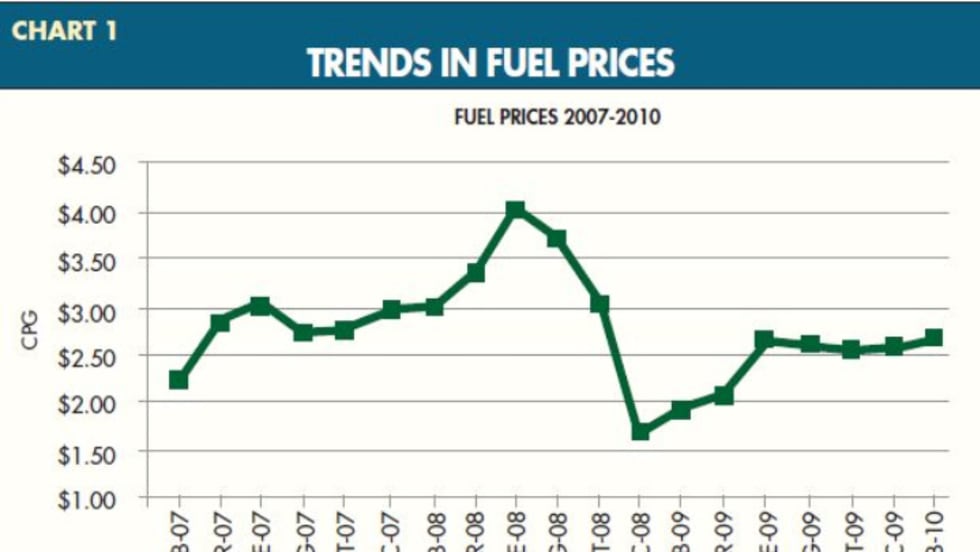
With budget constraints encouraging more fleets to be creative with their cost-cutting strategies, fleets in many business sectors are experimenting with extended cycling. Read on to find out the advantages and disadvantages.
Read More →
The new reality of a tighter corporate operating environment has forced fleet managers to pursue two different types of cost-cutting goals - cost deferral and cost elimination. However, many cost-cutting decisions for fleet are made for the short-term, with very little consideration for total cost of ownership. Sometimes senior management is more interested in the fiscal, rather than economic, consequences of their decisions.
Read More →TORRANCE, CA - An Automotive Fleet study on fleet vehicle depreciation expenses revealed replacement cycles for several segments appeared to remain steady since 2005. The information is based off data supplied by Automotive Resources International, GE Capital Solutions Fleet Services, LeasePlan USA, PHH Arval, and Wheels Inc. from 2005 to 2008 of more than 1.5 million vehicles.
Read More →Vehicle replacement policy is one of the most critical aspects of fleet management. Nearly all fleet-related expenses, both fixed and operating, are influenced by when a vehicle is replaced. In a recessionary economy, senior management demands expense reductions and there is pressure to defer vehicle replacements. However, such a policy change could actually prove to be counterproductive to the intended goal.
Read More →TORRANCE, CA – An Automotive Fleet study on fleet vehicle depreciation expenses revealed replacement cycles for several segments appeared to remain steady since 2005.
Read More →
It has been “common wisdom” to replace fleet vehicles in relatively short cycles. Rising costs, however, have led fleet managers to consider lengthening replacement criteria. There are pros and cons to the practice.
Read More →
Since extending its replacement cycle in 2004, Valero saved more than $200,000 per year for a total of $654,000 through 2007.
Read More →Depreciation continues to be the largest fleet expense; however, fuel, as a percent of total fleet cost is growing (rapidly). Fuel expense is influencing vehicle acquisition strategies, with a direct bearing on future depreciation.
Read More →