



Analyzing Depreciation Trends: 2007 vs. 2006
Depreciation continues to be the largest fleet expense; however, fuel, as a percent of total fleet cost is growing (rapidly). Fuel expense is influencing vehicle acquisition strategies, with a direct bearing on future depreciation.
A multitude of factors influenced fleet vehicle depreciation in 2007 – total mileage, vehicle condition, strength of the resale market, incentive monies, accelerated replacement cycling, and one that is growing in importance, the cost of fuel. How does 2007 depreciation compare with 2006?
We posed this question to survey partners Automotive Resources International (ARI), GE Capital Solutions Fleet Services, LeasePlan USA, PHH Arval, and Wheels Inc. Based on a survey of actual fixed costs incurred by 436,865 commercial fleet vehicles managed by these five fleet management companies, here’s what they told us.
Fuel: Although an operating expense, the high cost of fuel is beginning to influence new-vehicle acquisition decisions, in particular the type and size of vehicles acquired. According to GE, fleets in the next year and beyond will likely change how they view their total fleet expenses from “depreciation is my highest expense” to “fuel is my highest expense.”
“This will create a need for replacement models and plans that put more weight on vehicle expense factors other than just depreciation,” said Eric Hjerpe, digitalization leader for GE Capital Solutions Fleet Services.
Others share the assessment that the high cost of fuel is directly impacting vehicle depreciation.
“Vehicles viewed as more fuel-efficient have outperformed the resale market in recent years. Those that are less fuel-efficient have generally underperformed,” said Greg Corrigan, VP of business intelligence for PHH Arval.
Another factor that promises to play a greater role in depreciation is the growing proliferation of green fleet initiatives. As more companies implement green initiatives to reduce CO2 pollution, it is anticipated there will be changes in how fleets operate and the length of time vehicles are kept in service.
“A reduction in the amount of monthly miles driven may result through better route planning and a continued effort to conserve fuel. The average cap cost may start to decline as fleets start to consider smaller, more fuel-efficient vehicles. Improved manufacturers’ warranties and advanced vehicle technology can also allow longer lifecycles. As a result, the average months-in-service will increase, ultimately improving depreciation,” said Anthony Foursha, manager, strategic services for ARI.
Replacement Cycling: Accelerated replacement ordering influenced fleet depreciation in 2007.
“Many fleets were looking to use depreciation as a financial play in 2007. Depreciation was impacted by accelerated ordering plans that allowed increased incentives from the manufacturers to offset any resale loss,” said Hjerpe. “While not one segment will see a major change in replacement patterns, it will more often be the types of vehicles that replace those units that will have the most impact. Older, less-efficient vehicles will likely be replaced with newer, more efficient or flexible-fuel vehicles,” he added.
Resale Market: Strength in the wholesale used-vehicle market varied by vehicle segment in 2007. “Sedans continue to show strength in the used-vehicle marketplace. Minivans and SUVs are not as strong as sedans and will probably remain that way for the foreseeable future,” said John Bauer, manager of fleet analytics for Wheels. “With the elimination of the Chevrolet Astro and a general need to save fuel, car-based minivans are being used by a number of service fleets. These minivans are usually returned with higher mileage and in worse condition than the same type of vehicles a few years ago,” said Bauer. “In addition, some fleets that previously offered minivans to sales reps have eliminated them and replaced them with sedans.”
In 2007, the inventory of out-of-service fleet vehicles awaiting resale in the wholesale market was in balance with buyer demand. This was the greatest factor contributing to the improvement in resale prices. “Supply and demand factors in the market, in general, have led to a favorable overall resale environment in CY07,” said Corrigan.
During 2007, LeasePlan also reported it experienced a decrease in the monthly depreciation cost for all vehicle segments, compared to CY06. “This decrease is in line with LeasePlan’s expectations due to the fact that the used-vehicle market improved from CY06 levels because of favorable industry and economic conditions. This year-over-year improvement in used-vehicle proceeds realized at auction has resulted in reduced depreciation expense for CY07 terminations,” said Paul Fortin, director, residual value risk management for LeasePlan USA.
Vehicle segments that account for the majority of LeasePlan’s portfolio (intermediate cars, minivans, and SUVs) all experienced decreases in the 3- to 6-percent range, said Fortin.
“Trucks had the lowest depreciation cost per month because fleets keep them in service longer than other vehicle types,” added Bauer.
In recent years, the average service life of fleet vehicles has remained stable.
“We have seen very small increases in service life in the last several years. Since 2004, average months-in-service for sedans has increased by about four months,” said Bauer. “This reflects fleets that have changed their replacement policies and are keeping vehicles in service longer.”
According to Bauer, minivans have shown smaller months-in-service increases than sedans and trucks. The average service life for SUVs was virtually unchanged when comparing 2007 with 2006.
One fleet segment that experienced an increase in months-in-service was compact cars.
“While the compact car average months-in-service increased for 2007, there was a significant decrease for months-in-service in the other vehicle segments,” said Foursha of ARI.
According to ARI, the average months-in-service decreased 15 percent overall from 2006, with minivans and SUVs showing the largest decline. “We estimate this decrease as a result of the increase in average monthly miles. The projection for 2008 shows a slight increase of months-in-service across the board,” said Foursha.
Agreeing is Corrigan of PHH. “Average age has flattened out, as clients have accelerated replacement cycling, looking for more fuel-efficient vehicles.”
Incentives from OEMs were also a key factor in accelerating vehicle replacement cycles.
“Most fleets are staying consistent in the cycling of vehicles unless they have opted for some type of financial pay through replacement, such as pulling cash forward through an accelerated replacement plan,” said Hjerpe. “There also may be a slight trend in replacing larger vehicles with smaller, more efficient options that can serve the same purpose. This pattern is likely to continue into the future,” added Hjerpe.
Fleet capitalized (cap) costs have remained flat over the past several years due to factory incentives.
“Incentives have had the biggest impact on vehicle cost. Although it’s too early to draw conclusions about 2008, some popular models are showing small increases,” said Bauer.
Some cap costs by vehicle segment had a greater decrease in 2007 compared to 2006. “The SUV segment experienced a significant decrease of 8 percent,” said Foursha. “Overall, volume incentives impacted the average cap of the vehicles. Volume incentives appear to have leveled off for 2007.”
According to ARI, the decrease in cap cost for the SUV segment resulted from a combination of both volume incentives and a substitution of compact SUVs in place of fullsize SUVs. “Based on recent trends, it’s estimated that 2008 will remain level when compared to 2007, with a slight decrease in SUVs,” said Foursha.
Another factor contributing to lower cap costs is the trend toward smaller vehicles. “Cap costs are on the decline, primarily attributed to a move toward smaller vehicles,” said Corrigan.
New-model price increases contributed to an increase in capitalized cost; however, in most cases the price increases were offset by fleet incentives monies. “New-vehicle model pricing resulted in a slight increase in cost, but in general, cap costs remained relatively flat in all categories but compact cars,” said Hjerpe.
“Compact cars seem most impacted by the addition of hybrids. Hybrids are quickly becoming a larger segment of more fleets, and we have seen that reflected in ordering statistics. We have also seen a trend for fleets to offer compact or mid-size vehicles with more options to offset any driver dissatisfaction,” Hjerpe added.
Let me know what you think.
More Blog Posts

Fleets Want Trust Restored with Suppliers
During this period of ongoing supply constraints, the trust that fleet managers had with OEMs, upfitters, and dealers has been strained. Fleet managers say they have had too many experiences over the past three years coping with erroneous information, adjusting to multiple price increases, and feeling betrayed by inadequate transparency from suppliers.
Read More →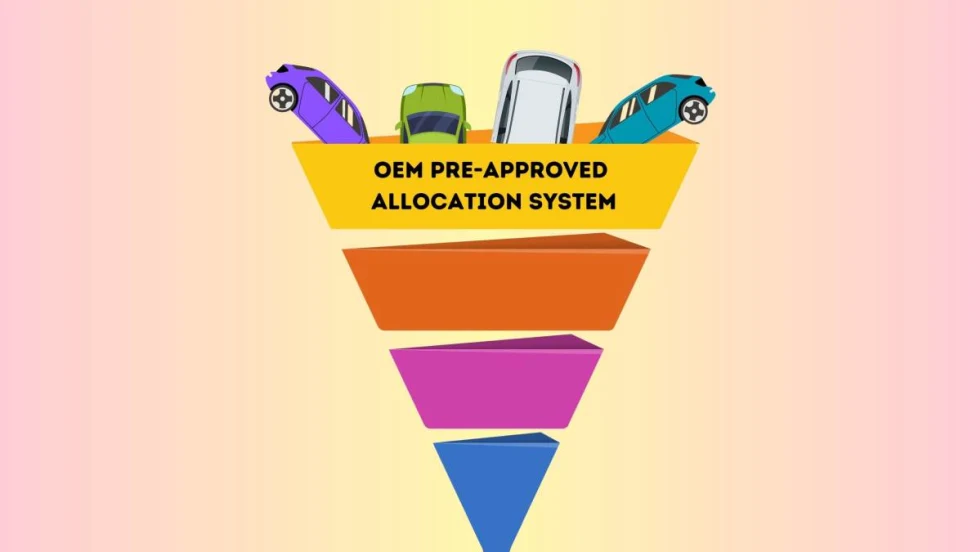
Scheduled Replacement Cycles Are Becoming a Distant Memory
The ongoing difficulty in sourcing replacement vehicles is forcing companies to extend the service lives of vehicles that are unable to be replaced, which, inevitably, increases unscheduled maintenance expenses.
Read More →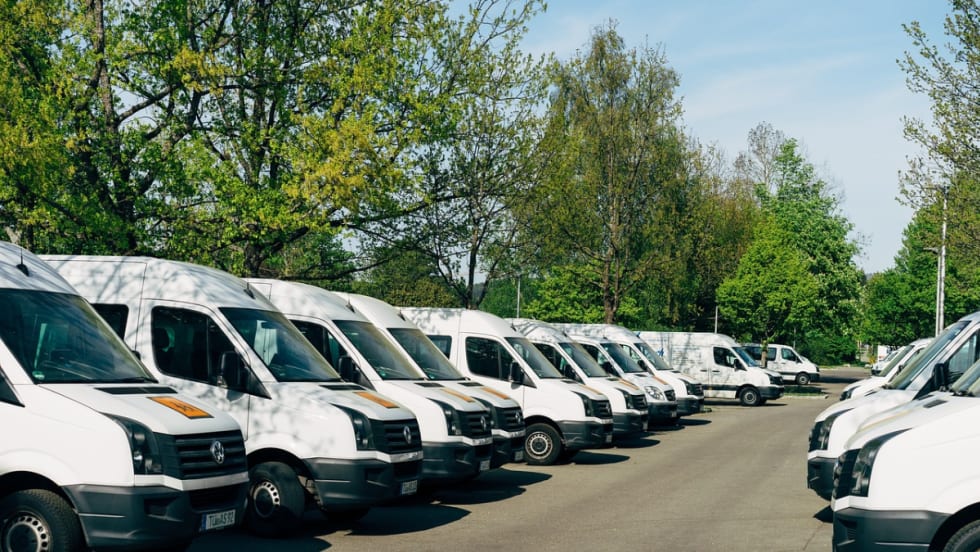
Fleet Simplification is the Antidote to Asset Variability
Fleet simplification identifies asset functions to uncover commonality among the equipment and assets. Simplification increases operational efficiency as end-users become accustomed to the controls, displays, and operation of less diverse units.
Read More →
The Dangers of Static Fleet Policies
A fleet policy is a living document, flexible enough to adapt to evolving business priorities, developing industry trends, and changing industry best practices and standards.
Read More →
Short-Term vs. Long-Term Cost Reductions
Corporate procurement staff are often driven by short-term, immediate cost reductions. However, a longer perspective to soft cost savings is critical because fixating on short-term results will hurt a company in the long run.
Read More →
Uptick in Unscheduled Maintenance Increasing Vehicle Downtime
Fleet data analysis can identify recurring downtime issues. It’s important to determine the root causes of downtime so procedures can be developed to minimize such problems.
Read More →
Eliminate Needless Curb Weight to Maximize ICE & EV Efficiencies
Vehicle weight relates directly to fuel economy. In today’s era of electrification, there is also a direct correlation between vehicle weight and battery range.
Read More →
Tech Dependence Risks Dumbing Down Fleet Manager Expertise
The line between creative thinking and problem solving and doing what the data indicates is thin. To lead in fleet management, you need to balance understanding the fundamentals and embracing what smart technology offers.
Read More →
Leverage the Synergy of Safe Driving to Achieve Sustainability and Cost Goals
Safe driving, emission reductions, and cost containment can all be achieved at the same time.
Read More →
The Playbook for Fleet Manager Success
There are many paths to success — most of them involve being flexible, open-minded, and willing to learn.
Read More →