


 MENU
MENU SEARCHMENUSEARCH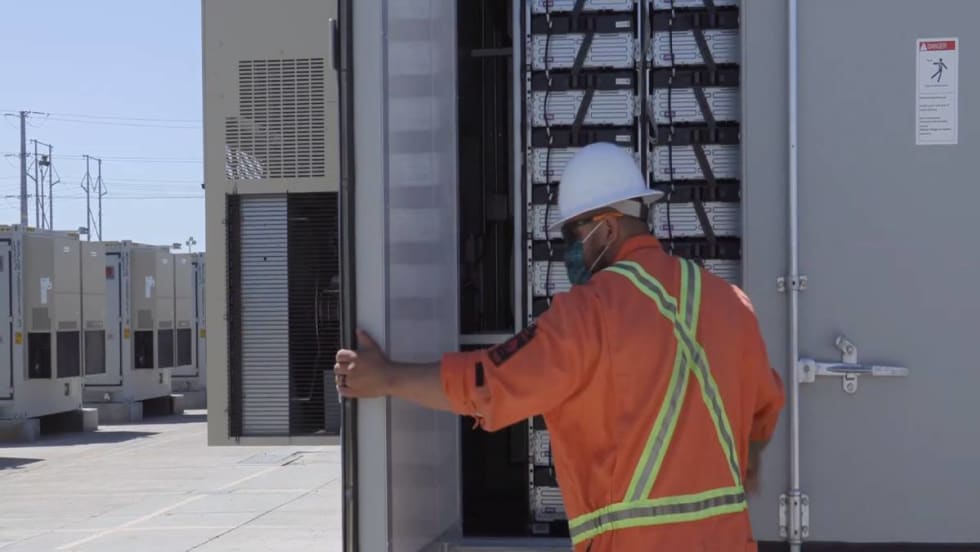
The company is moving forward with two hydrogen projects, adding battery storage and vehicle-to-grid technology.
Read More →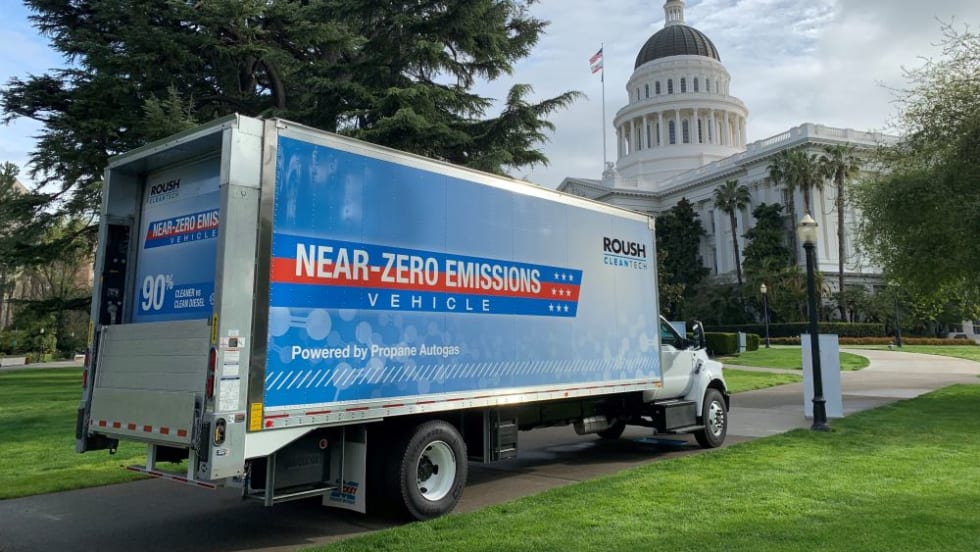
Hi Pro will soon add five Class 6 medium-duty straight box propane autogas delivery trucks to its fleet.
Read More →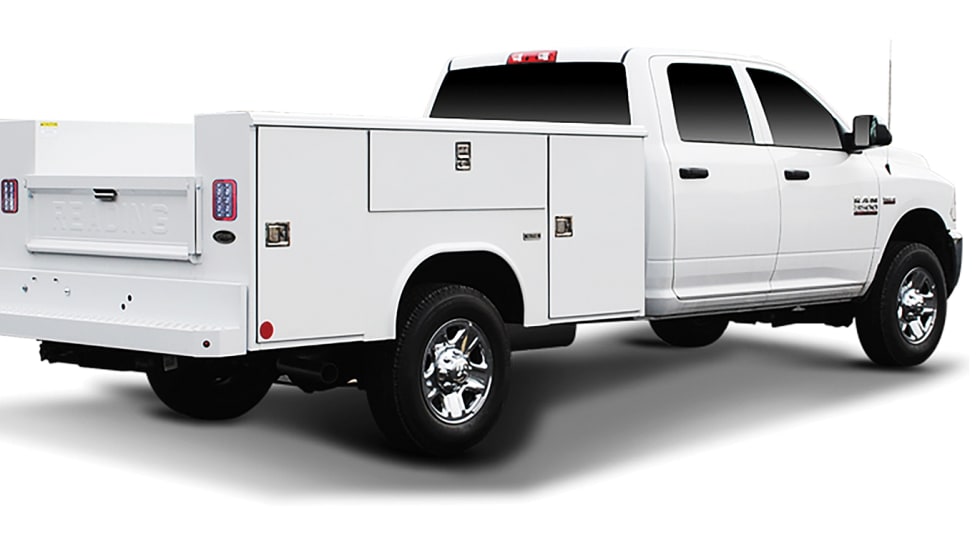
A growing trend in second-stage manufacturing is light-weighting, which involves specifying lighter-weight materials to achieve an overall weight reduction to an upfitted vehicle. Specifying lighter-weight upfit materials decreases the vehicle’s curb weight, which, in turn, lowers operating costs by reducing fuel consumption and decreases emissions.
Read More →
Electrifying 50% of the fleet could reduce more than 65,000 metric tons of emissions from 2020-2030.
Read More →
A new climate change policy provides work-truck-industry association NTEA the opportunity to educate the public, regulators, and legislators about how the industry is addressing society’s environmental concerns.
Read More →
The Canadian province's ban is part of a $6.7 billion Canadian dollar ($5.1 billion) plan to help reduce greenhouse gases by 37.5% by 2030.
Read More →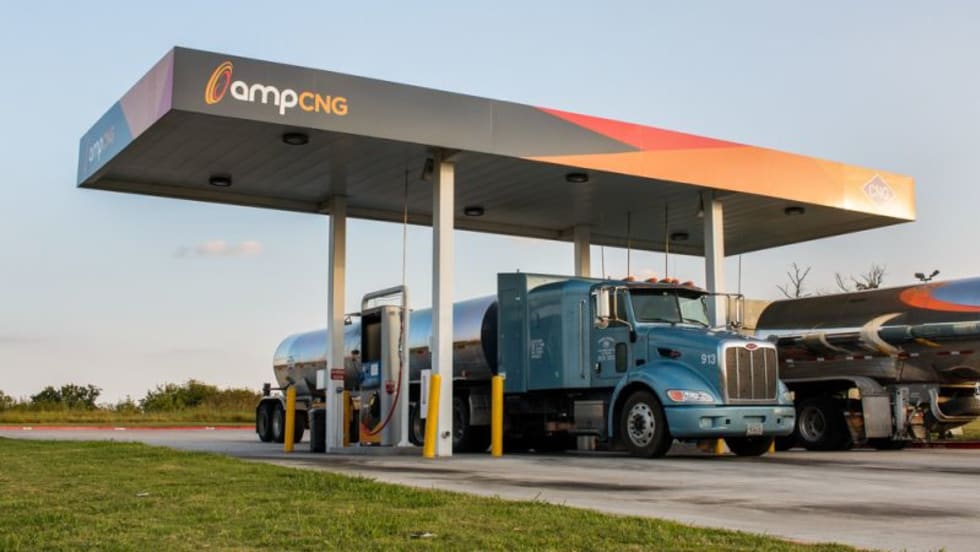
Amp America has helped eliminate 500,000 tons of CO2 greenhouse gas emissions, which is the equivalent of taking 100,000 cars off the road for one year. Additionally, Clay Walton has joined the company as vice president of RNG Services.
Read More →
Topics mentioned in today's video includes: fleet segments that are showing signs of recovery; fleet mileage and fuel consumption trends during the pandemic; a decline in carbon emissions; how the election could impact future alt-fuel mandates; and trend analysis of the wholesale resale market.
Read More →
The sharpest decline came from reduced traffic from trucks, buses, and cars.
Read More →
NHTSA and the EPA will increase the stringency of corporate average fuel economy (CAFE) and CO2 emissions standards by 1.5% each year through model-year 2026, as compared with previous standards that would have required about 5% annual increases.
Read More →