




Study: Carbon Emissions Drop 17% Globally in April During Coronavirus
The sharpest decline came from reduced traffic from trucks, buses, and cars.

When the sky is clear over Los Angeles, the San Gabriel Mountains are visible.
Photo via Wikimedia Commons/Todd Jones.
An analysis published today in the journal Nature Climate Change finds that daily global carbon dioxide emissions compared to global averages from 2019 have declined 17% globally during the height of the coronavirus pandemic.
This is believed to be the largest carbon emissions drop in recorded history.
As a result of stay-at-home orders and travel barriers, daily carbon dioxide emissions in early April decreased by about 18.7 million tons around the world compared to average daily emissions last year. These levels were last observed in 2006, according to the study.
The study uses different models to predict the annual drop in carbon emissions for this year, which could be 4% to 7%, the study found.
About 43% of the total decrease came from reduced traffic from trucks, buses, and cars. Emissions from industrial activities fell by 19%.
Emissions from air travel fell by 60%. However, that decline only accounts for 2.8% of yearly global carbon emissions.
As the drop is a result of global trauma — and not policy change — the drop will be erased, the study facilitators warn. “Government actions and economic incentives postcrisis will likely influence the global CO2 emissions path for decades,” the study’s abstract states.
More Fleet Forward

Chad Edmondson Named 2026 Fleet Safety Award Winner
The VSC Fire & Security fleet director oversees more than 1,100 assets nationwide. His approach to improving driver safety emphasizes collaboration, employee engagement, and building trust with the people behind the wheel.
Read More →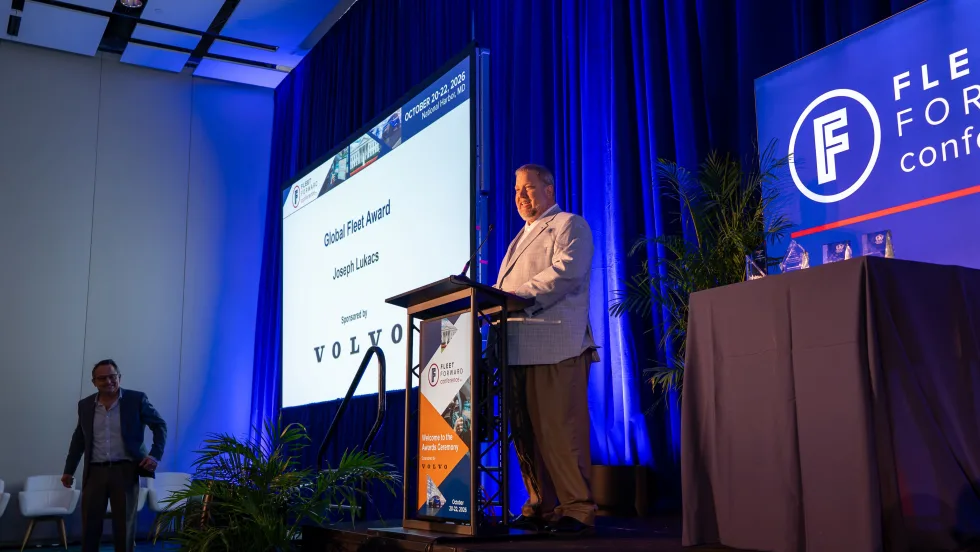
Joseph Lukacs Wins 2026 Global Fleet Manager of the Year
The Sherwin-Williams fleet leader adds another industry honor to his career after being named the 2025 Edward J. Bobit Professional Fleet Manager of the Year.
Read More →
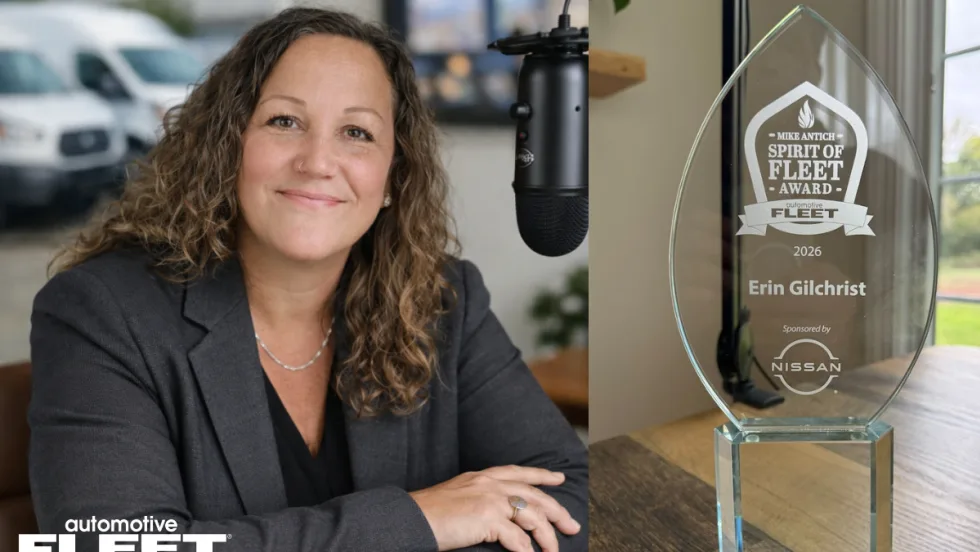
Erin Gilchrist Receives Mike Antich Spirit of Fleet Award
Last week at AFLA in Vegas, Erin Gilchrist received the inaugural, brand-new Spirit of Fleet Award.
Read More →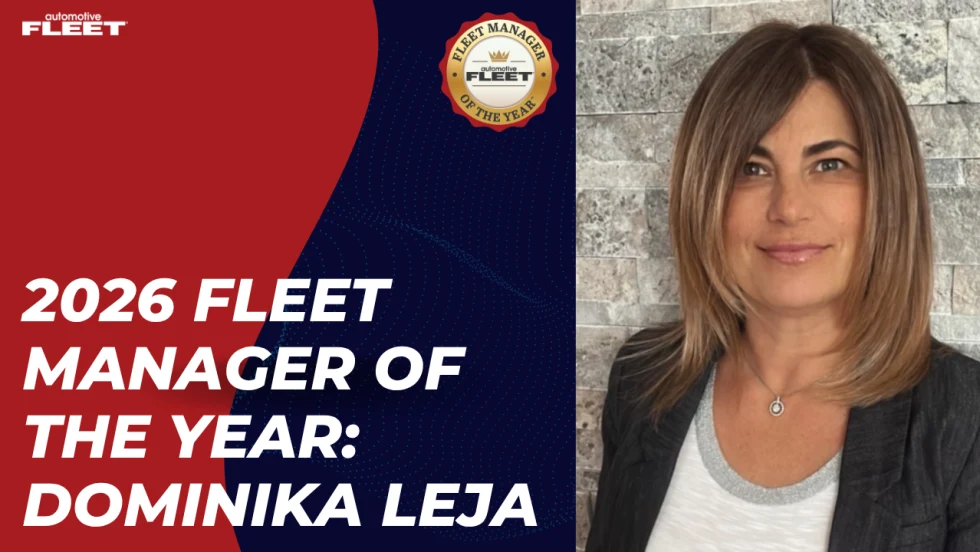
Dominika Leja Named the 2026 Fleet Manager of the Year
The AstraZeneca associate director of fleet was recognized for her leadership in fleet electrification, cost savings, and operational transformation.
Read More →
Jamie McKay Named the 2026 Fleet Visionary Award Winner
The Aptive Pest Control fleet manager was recognized for her approach to operations, data, lifecycle management, and driver needs.
Read More →
Fleet Forward Conference Introduces One-Day Passes for 2026
New one-day registration gives fleet professionals the flexibility to attend Tuesday, Wednesday, or Thursday, with passes available for $199 through Sept. 18.
Read More →
Vibe Coding: When Fleet Managers Become Software Builders
Five fleet professionals — none with programming skills — discuss how they’re using AI to build fleet solutions in-house and in a fraction of the time.
Read More →
Fleet Forward Conference Tackles Fleet Industry’s Growing Leadership Gap
This session will examine succession planning, knowledge transfer, and the skills the next generation of fleet leaders will need as veteran professionals leave the industry.
Read More →
2026 Fleet Manager of the Year Finalists Announced
Who are the 2026 Fleet Manager of the Year finalists?
Read More →