





Gas vs. Diesel: The Bad Investment Only Fleet Managers Know About
U.S. DOT and EPA Lower Gas Mileage Targets
NHTSA and the EPA will increase the stringency of corporate average fuel economy (CAFE) and CO2 emissions standards by 1.5% each year through model-year 2026, as compared with previous standards that would have required about 5% annual increases.
April 2, 2020

Photo courtesy of Pixabay.
2 min to read
The U.S. Department of Transportation's National Highway Traffic Safety Administration (NHTSA) and the U.S. Environmental Protection Agency (EPA) will increase the stringency of corporate average fuel economy (CAFE) and CO2 emissions standards by 1.5% each year through model year 2026, as compared with previous standards that would have required about 5% annual increases.
The EPA and NHTSA released the final Safer Affordable Fuel-Efficient (SAFE) Vehicles Rule setting CAFE and CO2 emissions, which reduces the standards that were issues in 2012 for passenger cars and light trucks during the 2021-2026 model years.
This is a change from the proposal issued in 2018. The majority of automakers are not meeting the 2012 standard without resorting to the use of credits, according to the EPA and NHTSA.
NHTSA is required to set fuel economy standards at the maximum feasible level for every model year. If NHTSA determines that standards previously set are no longer maximum feasible, NHTSA can amend them.
Earlier in 2018, the EPA issued the Mid-Term Evaluation Final Determination that found that the MY 2022-2025 CO2 emissions standards are not appropriate and should be revised.
The SAFE Vehicles Rule reflects the realities of today's markets, including substantially lower oil prices than in the original 2012 projection, significant increases in U.S. oil production, and growing consumer demand for larger vehicles.
The SAFE Vehicles Rule increases U.S. competitiveness by reducing regulatory costs by as much as $100 billion through model year 2029. According to NHTSA/EPA projections, it will also boost new vehicle sales through model year 2029 by up to 2.7 million vehicles.
The SAFE Rule will also help more Americans afford newer vehicles, according to a release by NHTSA and the EPA. By reducing the average price of a new vehicle by about $1,000, this right-sized rule will make it easier for Americans to afford to buy newer, cleaner, and safer vehicles.
Under the SAFE Rule, the projected overall industry average required fuel economy in MYs 2021-2026 is 40.4 miles per gallon and the new rule reduces the number of credits that are not associated with improved fuel economy. At the same time, the SAFE Vehicles Rule provides regulatory certainty by establishing one set of national fuel economy and CO2 emissions standards for passenger cars and light trucks.
Under the rule, new vehicles will continue to be required to meet the Clean Air Act's pollution standards, according to NHTSA and the EPA.
More Green Fleet
Sponsored•October 1, 2026
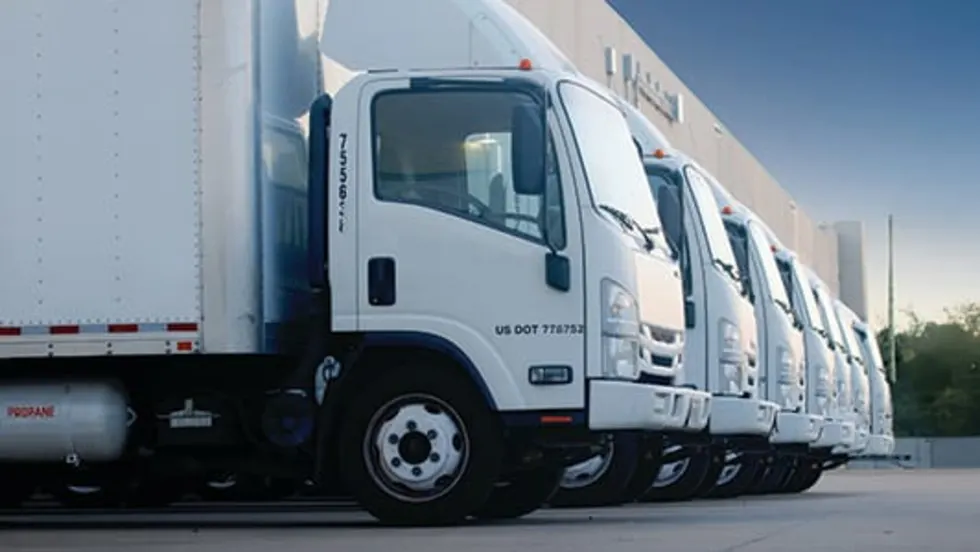
New Propane Autogas Program Offers Fleet Compensation
Qualified commercial fleets can receive $7,500 per eligible propane autogas vehicle and up to $10,000 for new refueling site prep. Learn how the program works and see whether your fleet qualifies.
Read More →
EV Charging Use Is Outpacing Infrastructure Growth
ChargePoint’s 2026 Charging Forward Report points to rising charger use, higher-powered charging, commercial vehicle electrification, and energy-management technology. Here’s what fleets should know.
Read More →
Merchants Fleet Reports 290M EV Miles as Fleets Navigate Changing Electrification Market
From millions in operating savings to hundreds of millions of EV miles, Merchants Fleet’s latest report reveals what’s working and what’s changing in fleet electrification.
Read More →

The EV Breakdown Nobody's Talking About: Why Most Electric Vehicle Roadside Calls Aren't Mechanical Failures
Here's why EV breakdowns are widely misunderstood.
Read More →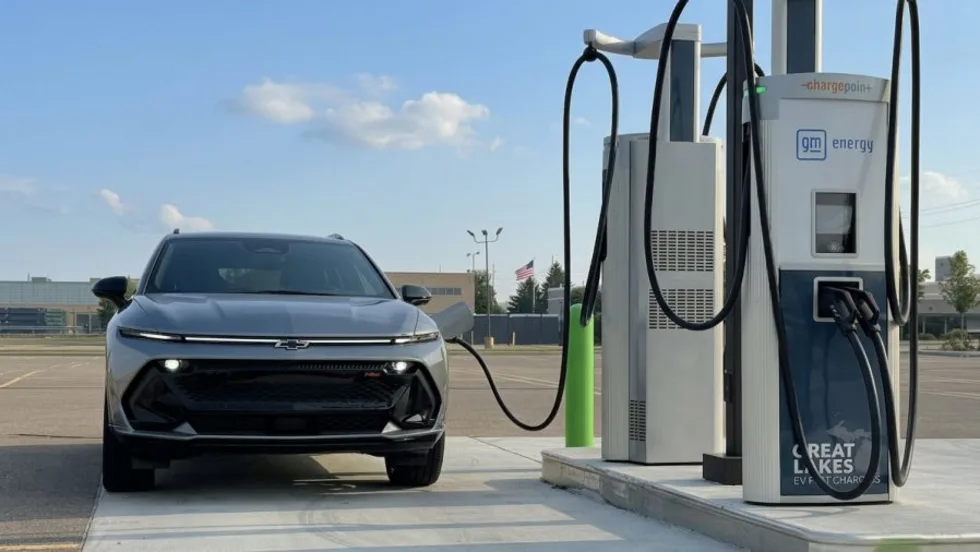
ChargePoint Now Available in Energy Pass
ChargePoint and additional planned charging network integrations were added to GM's Energy Pass.
Read More →

First Look: Slate Auto's Electric Fleet Pickup
Could an affordable, modular EV pickup make electrification more practical for fleets?
Read More →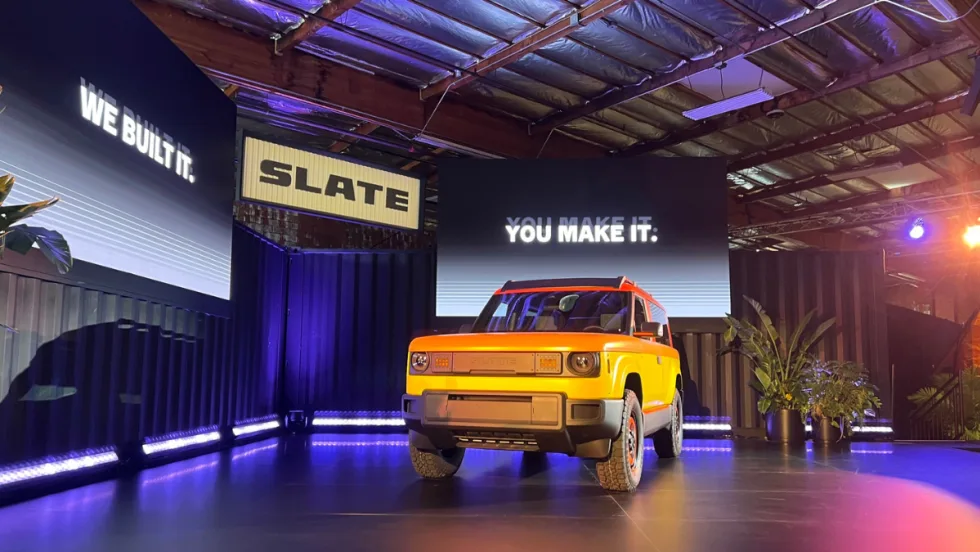
Slate Debuts Colorful, Unique EV Models
A recent media and client event, studded with electric vehicles dressed up on platforms, planted a new position for the manufacturer in the wider EV market. Fleets will find cost-saving advantages.
Read More →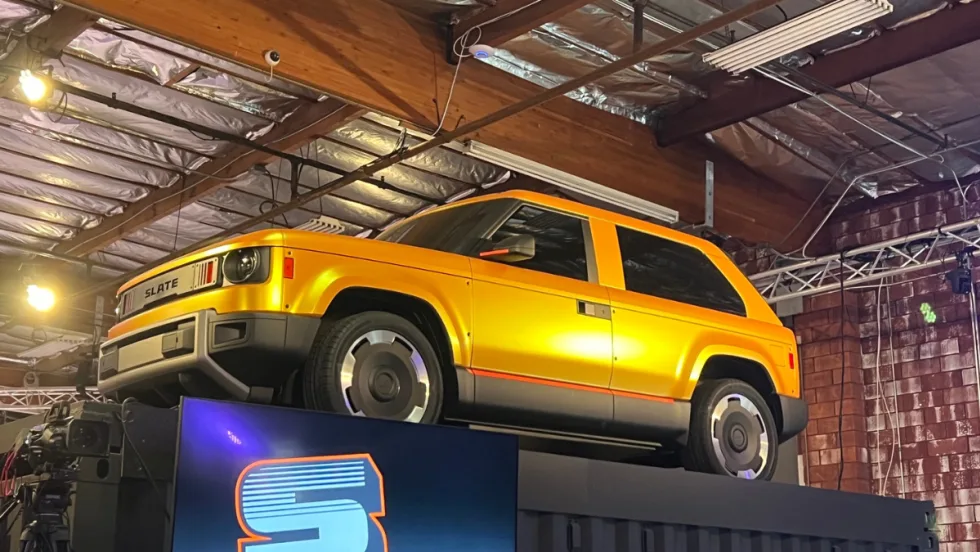
Slate Electric SUV, Pickup Switchable Model Aims For Light-Duty Fleets
Everything about this EV is counterintuitive and understated, making it stand out from the crowd.
Read More →
Inspiration Mobility Acquires Key Electrada Assets
Inspiration Mobility Group has acquired select assets of Electrada, adding the fleet electrification provider's team, technology, and charging infrastructure development capabilities to its energy management business.
Read More →