


 MENU
MENU SEARCHMENUSEARCH
Loading data...

We learned that Tesla is a player in fleet and that autonomy is taking various paths to evolution. Digital keys and car-as-wallet technologies are driving fleet efficiencies right now.
Read More →


DEARBORN, MI – Ford Motor Company has completed the sale of The Hertz Corp. to an investor group of leading private equity firms.
Read More →Make smart decisions for your fleet, with smart software solutions.
Read More →Germany-based global mobility services provider Sixt plans to expand its rental, car-sharing, ride-hailing and subscription services in North America.
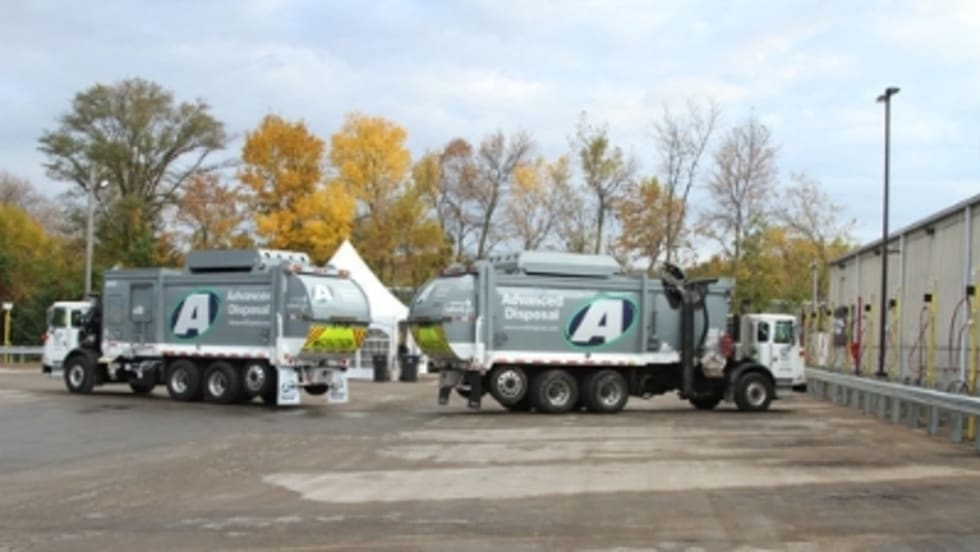
Read More →Nationwide waste hauler Advanced Disposal is on track to increase its compressed natural gas (CNG) refuse collection fleet to 15% of its total fleet by the end of the year, and will add a new CNG fueling station under an agreement with TruStar Energy.
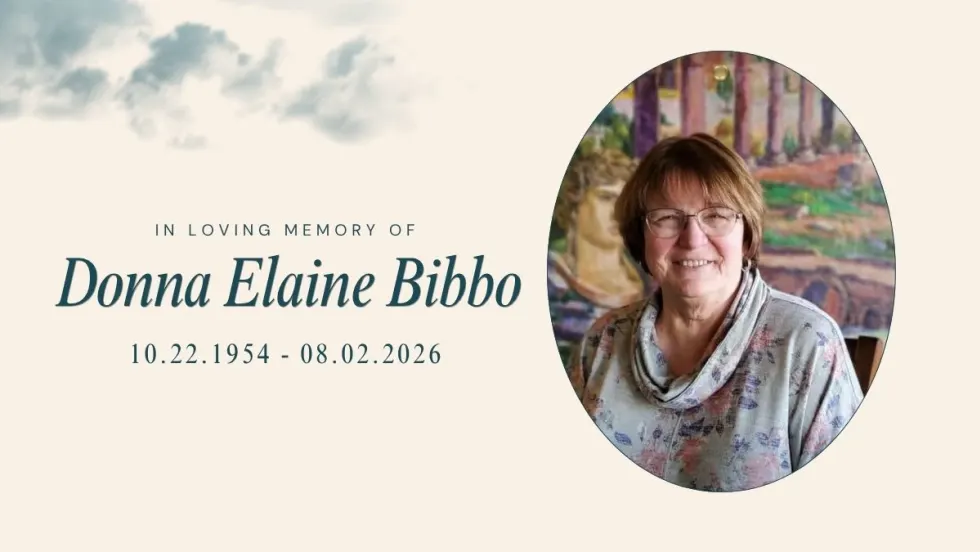
Read More →Fleet leader Donna Bibbo passed away after a long battle with uterine cancer and a failing heart.
Read More →General Motors Fleet & Commercial Operations held its 2008 Product Preview in Charlotte, N.C. May 7-11. The preview was attended by 800 fleet customers in two waves, each for two days. The preview included 150 GM vehicles available for test drives.
Read More →Bob Adamsky, fleet manager of AWP Safety, explains how fleet managers can strengthen their internal teams, expand external partnerships, and prepare for the next generation of fleet roles.
Read More →CHICAGO - More than 350 fleet industry professionals attended the conference, which offered solutions and resources to help fleet managers continue environmental initiatives in budget-challenged times.
Read More →SALISBURY, MD - A new article from Navtrak, "5 Ways to a Greener Fleet” offers fleet owners and managers five inherently "green" out-of-the-box benefits that GPS-based fleet management services such as Navtrak provide.
Read More →