


 MENU
MENU SEARCHMENUSEARCH
Loading data...
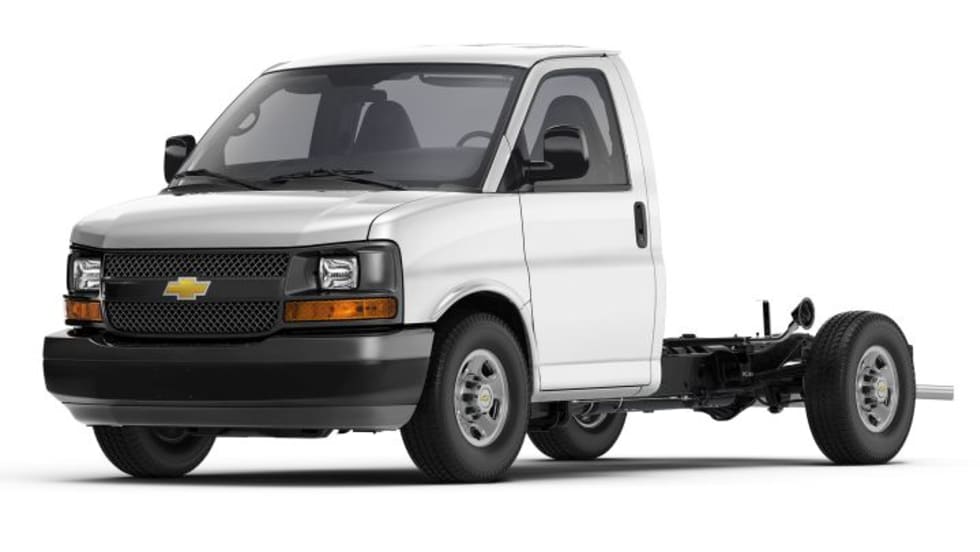
General Motors' lineup of 19 diesel-powered vehicles will reach 20 with the launch of its new Class 4 to 5 straight truck it's co-developing with Navistar – all of them approved for use with B20, a blend of 20% biodiesel and 80% ultra-low sulfur diesel.
Read More →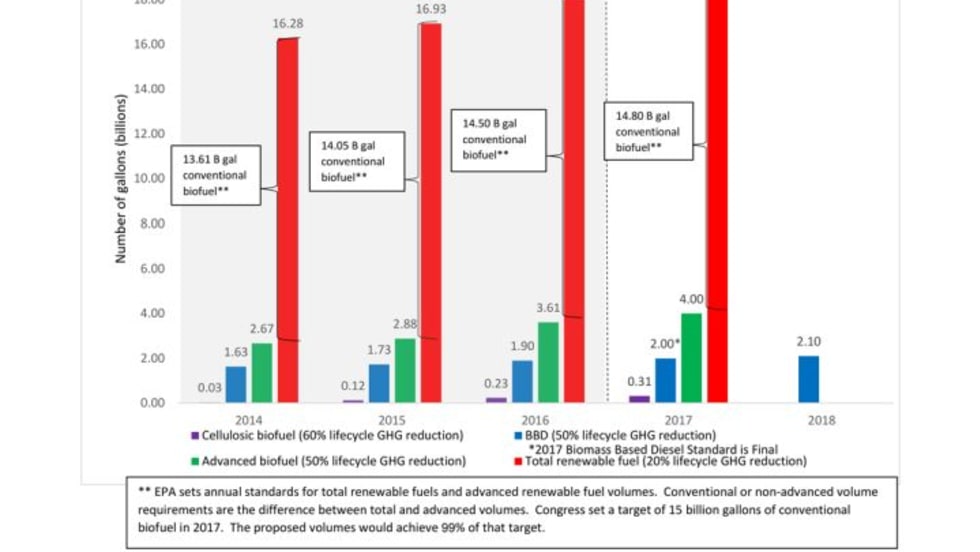

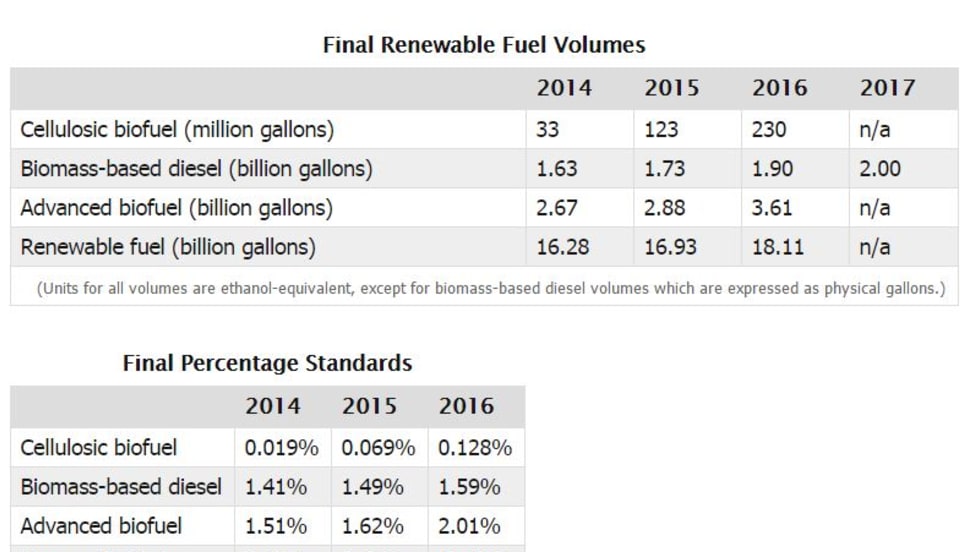

The U.S. Environmental Protection Agency has proposed slight increases to the amount of ethanol and biofuels that fuel producers must add to gasoline and diesel in 2017.
Read More →The Illinois Soybean Association’s B20 Club announced its sponsorship of the Chicago Area Clean Cities coalition to promote the benefits of biodiesel.
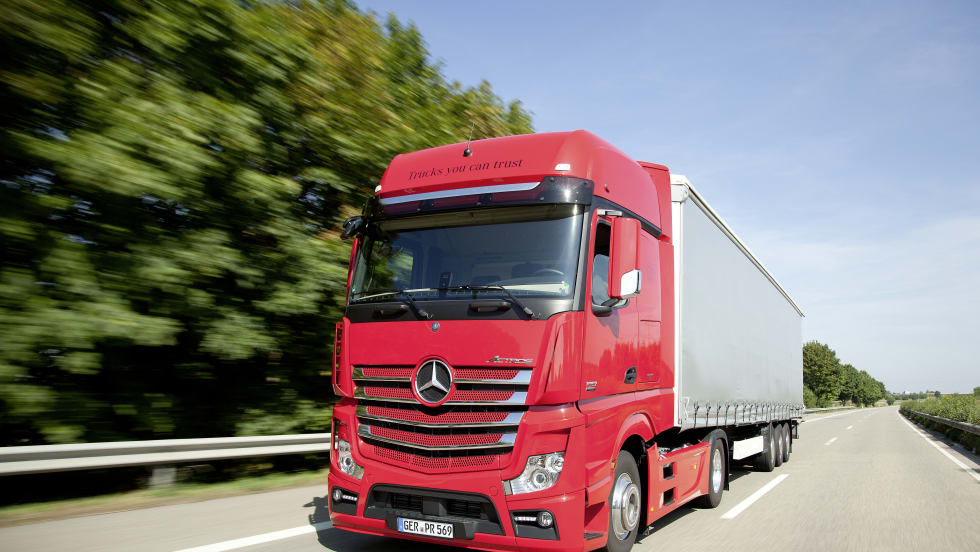
Read More →Mercedes-Benz Trucks has approved an alternative biodiesel fuel known as hydrotreated vegetable oil (HVO) for its trucks with heavy-duty (OM 470 or OM 471) engines as well as medium-duty (OM 936 or OM 934) variants.
Read More →Biodiesel consumption reached a peak level in 2015 with nearly 2.1 billion gallons reducing carbon emissions by at least 18.2 million metric tons, according to the National Biodiesel Board.
Read More →Z Energy’s efforts to reduce New Zealand’s reliance on fossil fuels have reached a milestone with the installation of a biodiesel distillation column at New Zealand’s first commercial scale biodiesel plant in Wiri, Auckland.
Read More →The U.S Environmental Protection Agency has finalized the volume requirements under its Renewable Fuel Standard (RFS) for blending with the nation's fuel supply that includes increases from existing levels but falls short of expectations from producers.
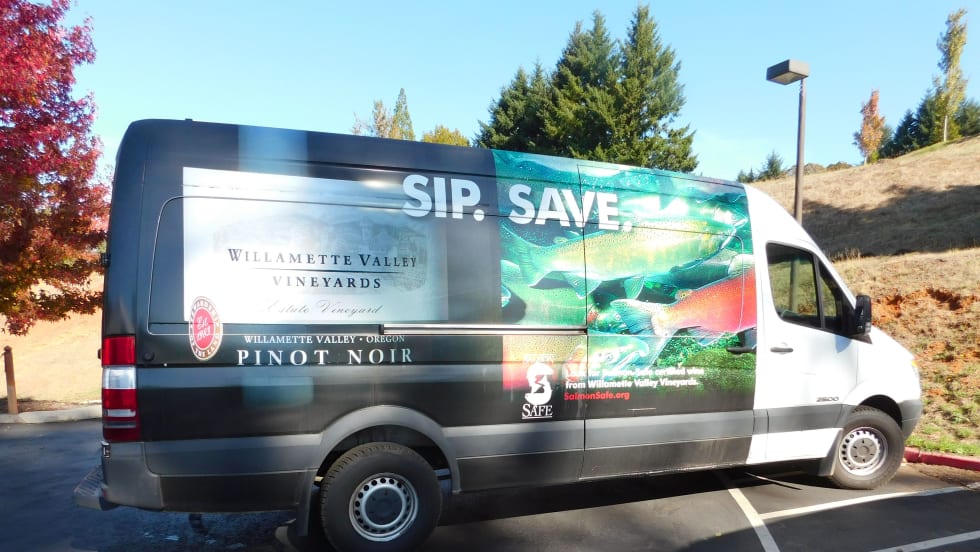
Read More →With favorable fuel prices compared to diesel and local availability, biodiesel is a smart way for Willamette Valley Vineyards to help the environment.
Read More →The California Air Resources Board has opted to “readopt” a Low Carbon Fuel Standard that requires a 10 percent reduction in the “carbon intensity of transportation fuels” by 2020.
Read More →The East Tennessee Clean Fuels Coalition (ETCleanFuels) is finding ways to help clear the air in the home of the Great Smoky Mountains.
Read More →