


 MENU
MENU SEARCHMENUSEARCH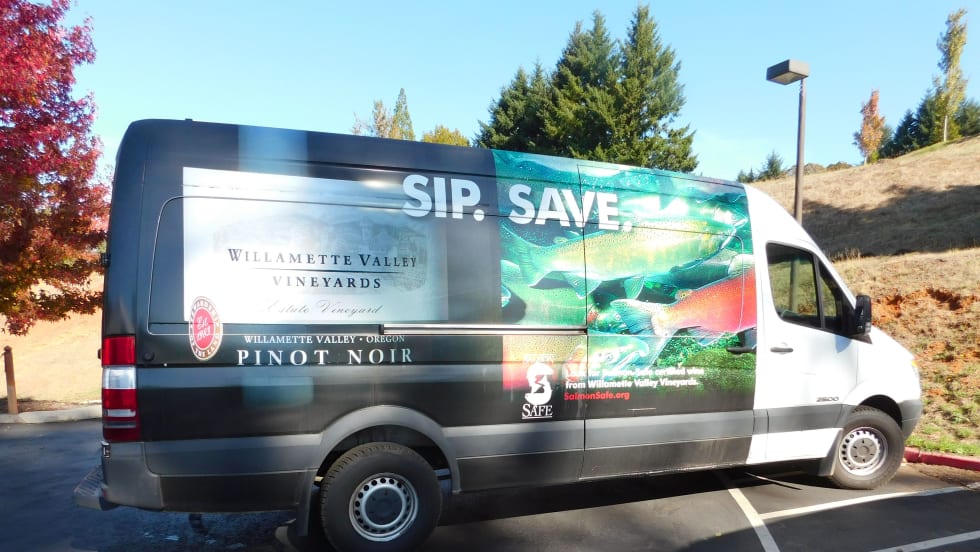
With favorable fuel prices compared to diesel and local availability, biodiesel is a smart way for Willamette Valley Vineyards to help the environment.
Read More →
Nearly 30 companies and organizations in Michigan have announced the formation of Clean Fuels Michigan. The nonprofit coalition seeks to advance policies for alternative-fuel vehicles, such as electric, natural gas, propane, and hydrogen fuel cell models.
Read More →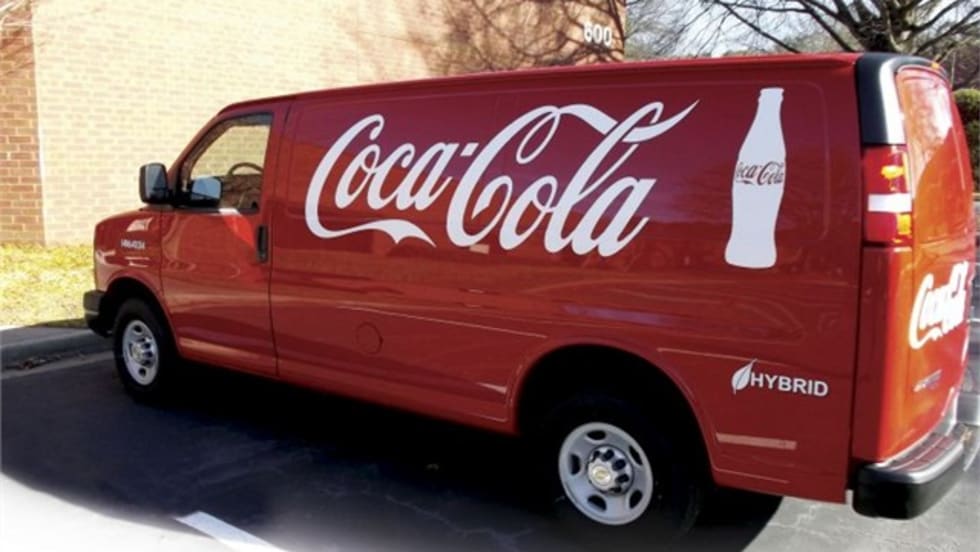
Coca-Cola and PepsiCo continue to find new ways to reduce their reliance on high-carbon fuels, improve their fleets' fuel efficiency, and maintain a level of transparency with the reporting of this information.
Read More →
The California Air Resources Board has opted to “readopt” a Low Carbon Fuel Standard that requires a 10 percent reduction in the “carbon intensity of transportation fuels” by 2020.
Read More →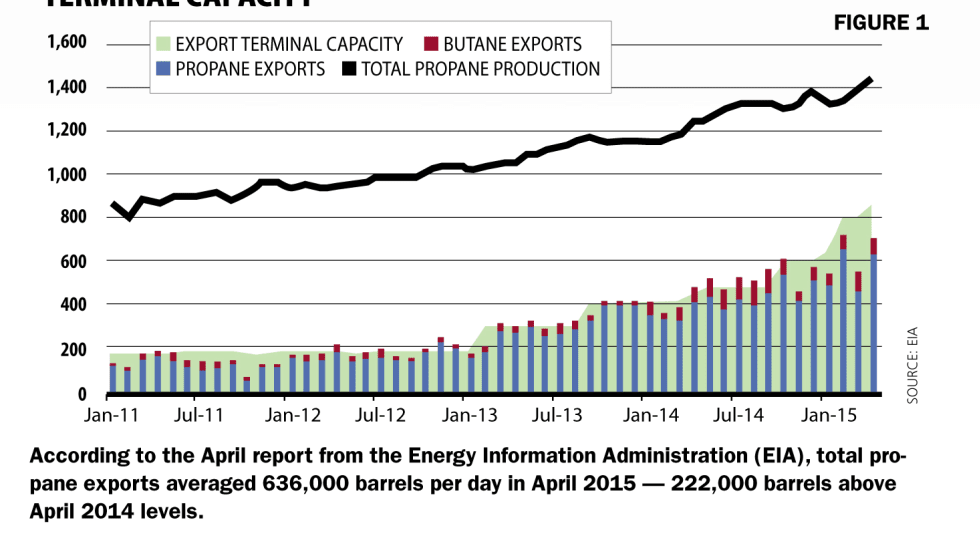
An increasing number of fleets across the U.S. are considering alternative fuels as a way to reduce emissions and avoid the volatile cost of conventional fuel.
Read More →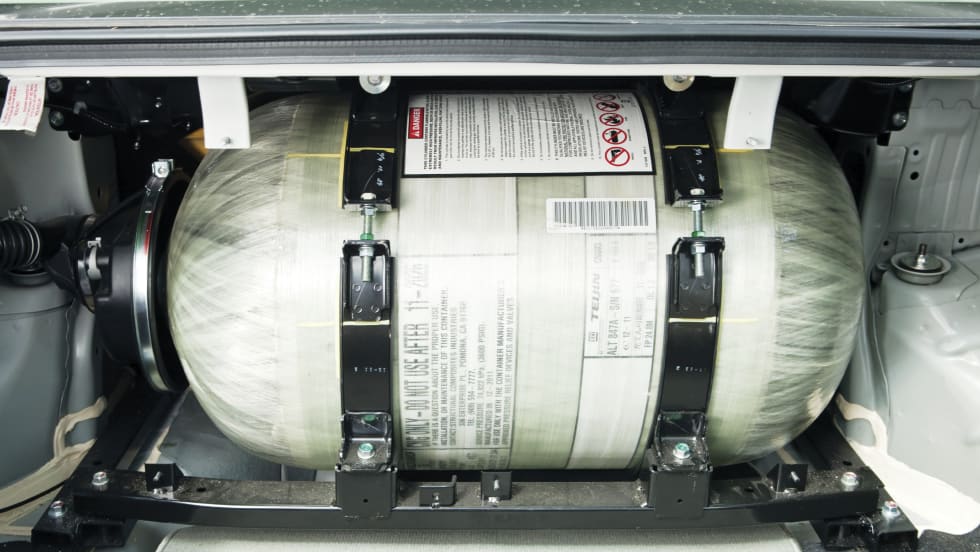
There are many misconceptions about how safe compressed natural gas (CNG) is as a vehicle fuel. CNG has a number of properties that make it inherently safer than gasoline, diesel, and other alternative fuels.
Read More →
Thirteen large corporations have signed the White House's American Business Act on Climate Pledge, with companies such as UPS, Coca-Cola and PepsiCo using "greener" fleets to help meet carbon footprint goals.
Read More →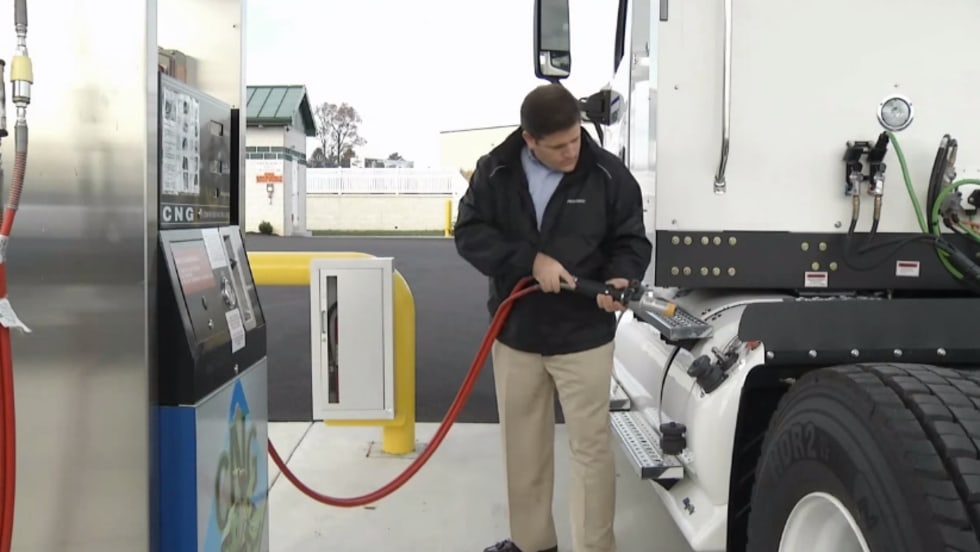
Delaware has launched its Clean Transportation Incentive Program (CTIP) to provide financial incentives for alternative-fuel vehicles and infrastructure, according to state officials.
Read More →
The Cruze ECODrive system's CGE type-3 cylinder gives the vehicle a range of up to 320 highway miles and has been designed for easy installation and durability, according to the company.
Read More →A new report from a Pennsylvania energy trade group examines the opportunities and bottlenecks for natural gas and propane autogas as a transportation fuel in that state.
Read More →