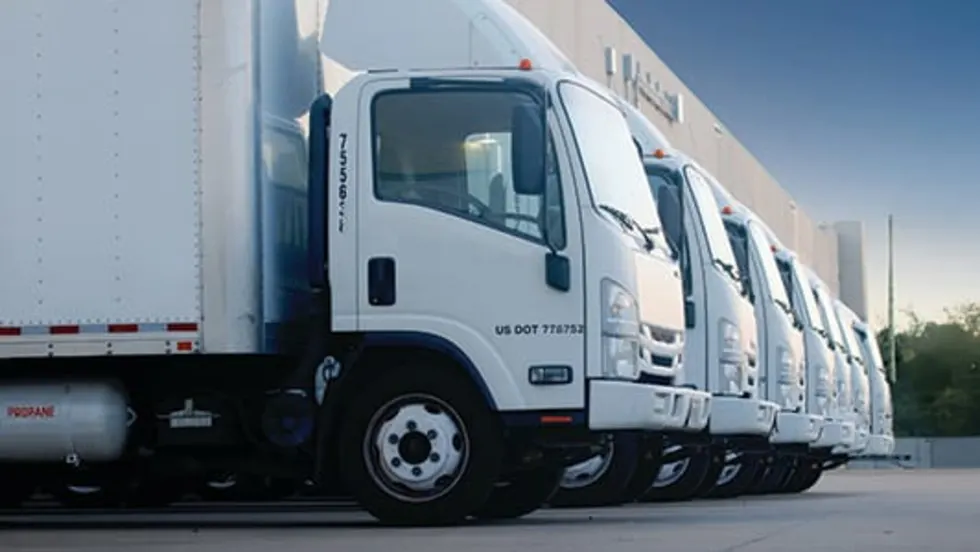
An increasing number of fleets across the U.S. are considering alternative fuels as a way to reduce emissions and avoid the volatile cost of conventional fuel.
by Darren Engle
September 23, 2015
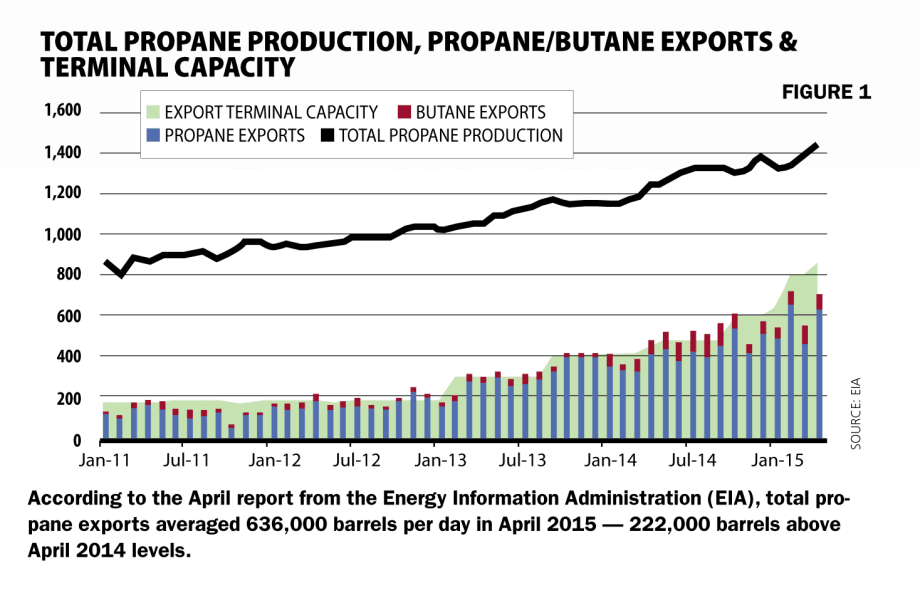
According to the April report from the Energy Information Administration (EIA), total propane exports averaged 636,000 barrels per day in April 2015 — 222,000 barrels above April 2014 levels.
4 min to read
An increasing number of fleets across the U.S. are considering alternative fuels as a way to reduce emissions and avoid the volatile cost of conventional fuel; however, even with that momentum, most lawmakers recognize that offering state and federal incentives can further encourage fleets to make the switch.
Ad Loading...
Achieving a Faster ROI
Ad Loading...
Propane autogas has a lower total cost-of-ownership (TCO) when compared with conventional fuels — including fuel costs, cost of replacement parts, maintenance, and uptime versus downtime; however, many fleets still hesitate to make the switch due to a slightly higher up-front vehicle cost.
According to the April report from the Energy Information Administration (EIA), total propane exports averaged 636,000 barrels per day in April 2015 — 222,000 barrels above April 2014 levels.
At A Glance
Alternative-fuel incentives are important to fleet due to:
Ability to help achieve a faster return-on-investment on alternative fuel vehicles.
Reduced long-term fuel expenses.
Increased availability and infrastructure enabled by increased alt-fuel usage
Although the decision to adopt an alternative fuel should not be contingent on incentives, tax credits, grants, and low-interest loan programs can be a great supplement to reducing up-front and incremental costs. Fleets incorporating incentives into an overall cost-reduction strategy can benefit from a quicker payback period, making passing alternative-fuel legislation important for fleet managers and transportation directors.
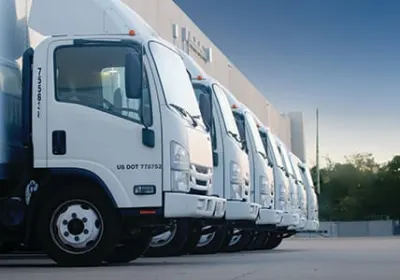
For instance, General Distributors, Inc., began integrating propane autogas into its fleet in early 2015 after receiving Oregon’s Alternative Fuel Vehicle and Infrastructure Tax Credit for Businesses that covered 35 percent of the up-front cost, saving the company a total of $20,000.
In addition to the fleet’s financial impetus to make the switch, the beverage fleet was committed to reducing dependence on foreign oil and strengthening the country’s energy security by using a domestic fuel source. In fact, the U.S. became a net exporter of propane in 2010, and exports of propane have been increasing rapidly since 2011.
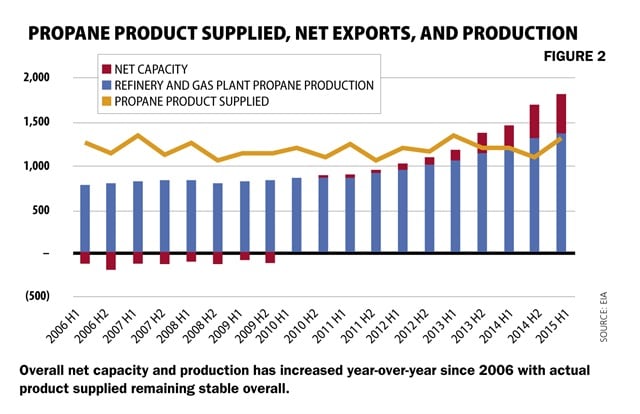
Overall net capacity and production has increased year-over-year since 2006 with actual product supplied remaining stable overall.
Breaking Down Barriers
Ad Loading...
Excellent legislation and incentive programs have been passed in some states, but some states have also succumbed to very fuel-specific initiatives and poorly packaged ideas that hold alternative fuels back. Incentive programs that presumptively select specific fuels for success threaten the free market, making it important that legislation is fuel-neutral.
The foremost barrier is that legislators are not experts on alternative fuels. While they often have an idea of what they’d like to accomplish with a certain bill, they only have access to a limited number of opinions on how to achieve it.
To effectively combat these barriers and encourage the type of alternative-fuel legislation that will benefit the entire fleet industry, fleet managers and owners need to make sure their voices are heard. This is especially true for smaller fleets.
When legislators are considering proposals, such as the extension of a tax incentive for alternative fuels, it’s often small fleets with equally small budgets that are most affected. Lawmakers tend to hear from larger companies, but they are also keen on hearing from the small business community. The local fleet’s voice can make a much bigger impact than an industry lobbyist or fuel supplier involved in advocating for alternative-fuel legislation.
One way fleets can get involved is to start a conversation with their fuel supplier about what’s happening legislatively and express a willingness to participate. Fleet managers may be asked to contact the office of a legislator, or be available to testify in person and vouch for the positive effects of alternative fuels legislation.
Ad Loading...
Implementing Incentives
Currently, 49 states offer some type of incentive relating to the use of propane autogas or propane autogas equipment for qualified parties, including tax credits, loans, grants, and rebates. There are also incentives supporting a variety of infrastructure and conversion projects, both through grant funding and tax credits, which can be found at www.afdc.energy.gov.
These projects are vital to the alternative-fuels industry and fleet support of these initiatives is always welcomed.
While there is progress happening and incentives are available now, the fact still remains that alternative fuels power less than half a percent of all vehicles on U.S. roadways.
However, the work is not yet complete.
Ad Loading...
Be ready to add your voice to the mix — it’s important. While legislators are hearing from many, it’s often limited in scope. There is an opportunity for fleet managers and owners to make a significant impact by ensuring their voices are heard. Creating great alternative-fuel legislation starts with fleets giving lawmakers a clear narrative on their powerful benefits.
Qualified commercial fleets can receive $7,500 per eligible propane autogas vehicle and up to $10,000 for new refueling site prep. Learn how the program works and see whether your fleet qualifies.
From millions in operating savings to hundreds of millions of EV miles, Merchants Fleet’s latest report reveals what’s working and what’s changing in fleet electrification.
A recent media and client event, studded with electric vehicles dressed up on platforms, planted a new position for the manufacturer in the wider EV market. Fleets will find cost-saving advantages.
Inspiration Mobility Group has acquired select assets of Electrada, adding the fleet electrification provider's team, technology, and charging infrastructure development capabilities to its energy management business.