




Related: Beverage Fleets Raised Fuel Economy 13 Percent in 4 Years
13 Corporations Agree to Reduce Carbon Footprint
Thirteen large corporations have signed the White House's American Business Act on Climate Pledge, with companies such as UPS, Coca-Cola and PepsiCo using "greener" fleets to help meet carbon footprint goals.
by Staff
July 29, 2015
Photo courtesy of UPS.
2 min to read
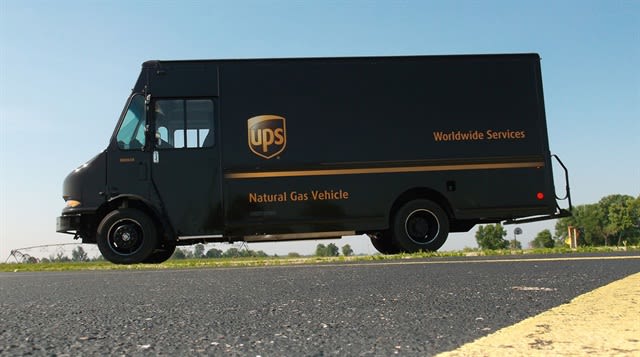
Photo courtesy of UPS.
Thirteen large corporations have signed the White House's American Business Act on Climate Pledge, with companies such as UPS, Coca-Cola and PepsiCo using "greener" fleets to help meet carbon footprint goals. The White House said the campaign would add $140 billion in low-carbon investments.
The 13 companies include Alcoa, Apple, Bank of America, Berkshire Hathaway Energy, Cargill, Coca-Cola, General Motors, Goldman Sachs, Google, Microsoft, PepsiCo, UPS, and Walmart.
Coca-Cola pledges to reduce the carbon footprint to put "the drink in your hand" by 25 percent by 2020. Coca-Cola is planning an across-the-board reduction of greenhouse gas emissions by 25 percent by 2020. This goal will prevent approximately 20 million metric tons of carbon emissions annually by 2020, the company estimates in its 2014/2015 sustainability report published July 28.
Coca-Cola's distribution trucking fleet accounts for approximately 4 percent of its value-chain emissions, according to company. Its global fleet, which includes trucks operated by Coca-Cola and its bottling partners, emitted an estimated 3.7 million metric tons of greenhouse gases in 2014.
The company will continue to add delivery trucks powered by a mix of alternative fuels, including electricity, natural gas, diesel-electric and biodiesel.
PepsiCo will stand by its ongoing goal of reducing greenhouse gas emissions from their global fleet through the use of electric, hybrid, compressed natural gas, alternative fuel vehicles and other fuel efficiency programs.
UPS plans to double its goal of a 20 percent reduction in greenhouse gas emissions by 2020, as measured by the UPS Transportation Intensity Index. By 2017, the company wants to reach a cumulative 1 billion miles of package or freight movement in its alternative fuel and technology truck fleet, which it expects will be over 7,700 trucks by the end of 2015.
Currently the UPS fleet includes approximately 5,800 alternative fuel and advanced technology vehicles. The company counted more than 5,000 at the end of 2014. Since 2013, the parcel delivery service has increased the total number of alternative fuel and advanced technology vehicles by 61 percent, including more than 1,100 natural gas vehicles added in 2014 to nearly double our natural gas fleet.
More Operations

Here's When You Should Make an Exception to Fleet Policy
Fleet policies are designed to create consistency, but not every driver or situation fits neatly within standard rules.
Read More →
AI-Native or AI-Acquired: What Should Fleet Managers Look for in an AI Platform?
Six questions can help fleet managers look beyond AI marketing claims to evaluate integration, data access, and real-world operational performance.
Read More →
Sponsored•October 14, 2026
A buyer's guide to fleet management software in 2027
Buying fleet management software in 2027 means looking beyond features and price. As fleet operations, technology and expectations evolve, this guide explores what today’s fleet professionals should consider when choosing a system that can deliver value now and adapt to what comes next.
Read More →

What Will Shape the Next Era of Fleet Management?
EVs, AI, and autonomous vehicles are reshaping fleet management. Discover what’s ahead—and how fleet leaders can prepare for the next era.
Read More →
How Fleets Can Recruit and Train Veterans for Technician Roles
Here's how the technician shortage has affected uptime for fleets, and what to do about it.
Read More →
Avis Budget Group Deploys Neology Toll Management Technology Across Major Brands
Neology’s neoFleet platform will manage toll transactions and toll-authority operations for vehicles across Avis, Budget, Payless, Budget Truck and Zipcar.
Read More →
Fleet Personal-Use Charges Edge Higher in 2026
Nearly eight in 10 surveyed fleets allow personal use of company vehicles, while just over half of respondents report charging employees for the privilege.
Read More →
The Future of Fleet + What’s Changing Right Now | AF News Recap
Could developments overseas offer a preview of what’s coming for U.S. fleets? This week, we’re looking at the future of AI, autonomy, and electrification, plus Ford Pro’s new certified pre-owned program, smarter vehicle offboarding, and a new way for fleets to manage toll expenses.
Read More →
How to Handle Vehicle Offboarding
What do fleet managers need to do when a driver leaves?
Read More →
Sponsored•October 1, 2026
Fleet Manager’s Ultimate Playbook: Navigating the New Standard in OEM Connectivity
Rising operating costs, driver safety concerns, and unplanned downtime are putting unprecedented pressure on modern fleets. Discover how fleet managers use embedded OEM connectivity and real-time vehicle data to cut TCO, prevent downtime, and protect drivers without aftermarket telematics hardware.
Read More →