


 MENU
MENU SEARCHMENUSEARCH
Drivers must collect as much information as possible when involved in an accident. Failure to do so can lengthen the accident management process and create unnecessary liability exposure. What information should be collected?
Read More →
As more regulations are put in place to reduce greenhouse gas emissions and the “going green” movement continues to expand, here are a few strategies fleets have used to green their operations.
Read More →As more regulations are put in place to reduce greenhouse gas emissions and the “going green” movement continues to expand, here are a few strategies fleets have used to green their operations.
Read More →In the annual PHH survey of environmental fleet issues, 21 percent of respondents said current difficult financial times have accelerated their fleet management goals; just 9 percent said those efforts had slowed.
Read More →
In the annual PHH survey of environmental fleet issues, 21 percent of respondents said current difficult financial times have accelerated their fleet management goals; just 9 percent said those efforts had slowed.
Read More →
Assessing employees a deductible fee for preventable accidents has advantages and disadvantages. Read on to weigh the pros and cons to decide for yourself.
Read More →SPARKS, MD - PHH Arval recently hosted a strategic summit with two of its major global alliance partners, Arval and Facileasing.
Read More →
Driver actions, from seatbelt use to talking or texting on cell phones, can significantly affect company accident rates.
Read More →The study shows economic conditions are accelerating fleet environmental initiatives in some organizations; cost continues to be perceived issue.
Read More →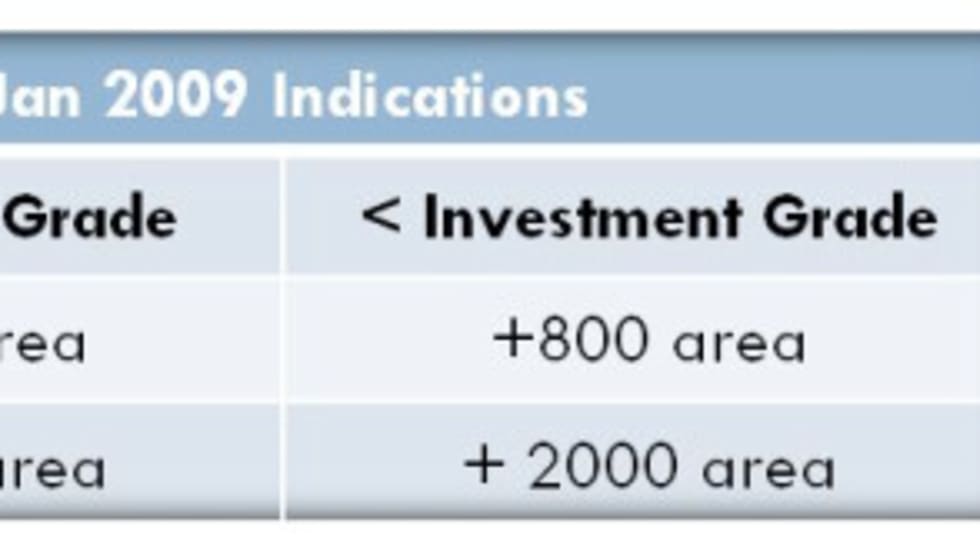
LIBOR was developed in 1984 as a measure of the real rate at which banks lend money to each other. Since the early 1990s, LIBOR has been used as a funding index for fleet leases. However, when the recent turmoil in the financial markets prompted governments to "backstop" bank borrowing, the cost of lending money began to represent a government-guaranteed rate, which no longer correlated to fleet lessor costs.
Read More →