


 MENU
MENU SEARCHMENUSEARCH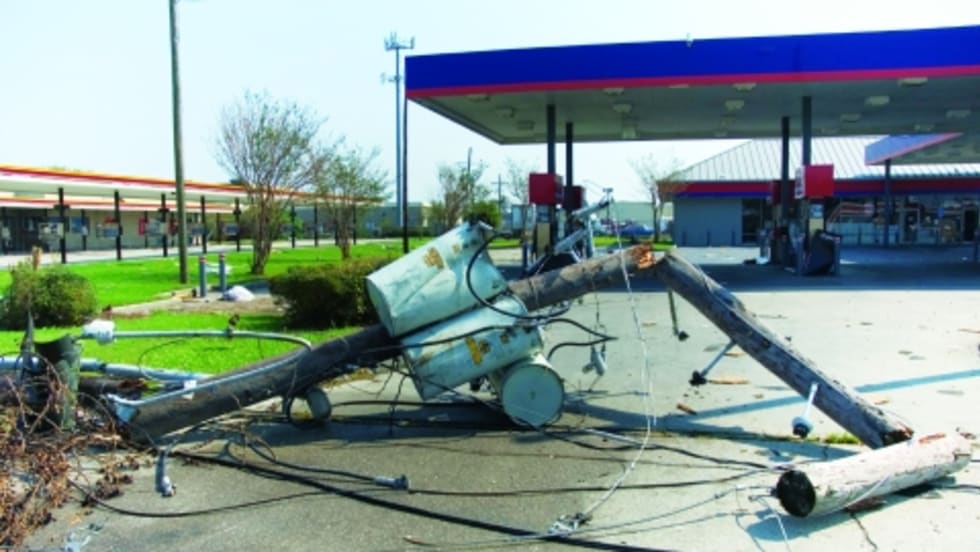
In 2005, Hurricane Katrina destroyed or damaged approximately 2,000 fleet vehicles in the Gulf Coast. Last October, Hurricane Sandy disrupted the refueling infrastructure and fleet communication with drivers in N.J and N.Y.
Read More →
All OEMs have been proactive in providing order-to-delivery (OTD) status updates on fleet vehicles in transit. In addition, fleet management companies have launched a multitude of enhancements to their abilities to track OTD for ordered fleet units. However, there is still much more that can be done.
Read More →
Based on the survey data, the commercial fleet industry is doing many things right and fleet managers are generally pleased with the quality of services and products they are purchasing.
Read More →Fleet vehicles have always needed to get quickly from “point A” to “point B,” and a handful of pioneers made some significant changes to how it was all handled.
Read More →TORRANCE, CA – Ford and General Motors provided an update to Automotive Fleet on vehicle deliveries in the northeast.
Read More →TORRANCE, CA –The 2012 Ford Fusion Hybrid and 2012 Toyota Prius were among the vehicles showing the most improved order-to-delivery times compared to last year, according to the results of Automotive Fleet’s 13th annual order-to-delivery (OTD) study.
Read More →TORRANCE, CA – Thirty-four days was the fastest order-to-delivery (OTD) time out of all the fleet vehicles included in Automotive Fleet's annual OTD study.
Read More →
Key factors causing OTD delays were increased vehicle volumes due to continued auto industry sales growth, lengthy quality holds, parts shortages, ongoing railcar shortages, recalls, plant changes, and weather-related issues.
Read More →Upfitters are feeling the pressure from the increase in the number of upfitted vehicles requiring a ship-thru, which is overwhelming some installers and body builders. Also, many upfitter-related OTD issues are the result of OEM quality holds. Oftentimes, upfitted units are held at the body company due to limited storage space at the assembly plants caused by quality hold backlogs. This prevents the release of upfitted units into OEM traffic for final delivery via ship-thru/freight re-entry.
Read More →
Last April’s earthquake in Japan and subsequent tsunami disrupted the automotive supply chain, causing parts shortages, which delayed order-to-delivery times. Extreme weather conditions also impacted vehicle shipments.
Read More →