




Worthington to Supply Hydrogen Cylinders for Fuel Cell Vehicle
The company will be the provider of Type III, composite hydrogen cylinders to one of the major Japanese automotive OEMs starting next year.

Photo courtesy of Worthington Industries
Worthington Industries, Inc. has signed a multi-year contract with Teijin Engineering to supply Type III, composite hydrogen cylinders to a major Japanese automaker for a new hydrogen fuel cell vehicle.
The Nov. 30 agreement between Worthington's Alternative Fuels business and Teijin Engineering of Osaka, Japan, will be to supply cylinders for automobiles in the Japanese market in early 2016 and the domestic market around the middle of 2016.
The company has been working with this OEM as an exclusive supplier for the past 12 years on various versions of hydrogen cylinders and different vehicle models as well, said Wayne Powers, general manager of Worthington's Alternative Fuels business.
“We’ve also performed research and development work on hydrogen programs with select OEMs in the European market," he said. "We’ve worked with Volvo and Honda America in both CNG as well as hydrogen."
While most hydrogen fueling stations reside in California, Powers still believes that there will be an increase in demand for these zero-emission vehicles.
“On the West Coast, there’s a number of industrial and gas companies that are looking to expand that infrastructure up the entire west coast,” he said. “We’ll continue to see hydrogen grow as a result of those infrastructure investments. That being said, I think hydrogen’s got a ways to go to catch up to EVs or hybrids or even CNG vehicles.”
Worthington has been doing business with Teijin for more than 20 years, and this new deal further solidifies their relationship.
“Our work with Teijin over the years has allowed us to build a confidence between the two organizations that is based upon a mutual respect of the culture of each of the companies, as well as the respective cultures of the countries in which each of those entities operate," he said. "Both companies pride themselves on the Golden Rule, and I see our partnership lasting for quite some time into the future."
More Green Fleet

Merchants Fleet Reports 290M EV Miles as Fleets Navigate Changing Electrification Market
From millions in operating savings to hundreds of millions of EV miles, Merchants Fleet’s latest report reveals what’s working and what’s changing in fleet electrification.
Read More →
The EV Breakdown Nobody's Talking About: Why Most Electric Vehicle Roadside Calls Aren't Mechanical Failures
Here's why EV breakdowns are widely misunderstood.
Read More →
ChargePoint Now Available in Energy Pass
ChargePoint and additional planned charging network integrations were added to GM's Energy Pass.
Read More →

First Look: Slate Auto's Electric Fleet Pickup
Could an affordable, modular EV pickup make electrification more practical for fleets?
Read More →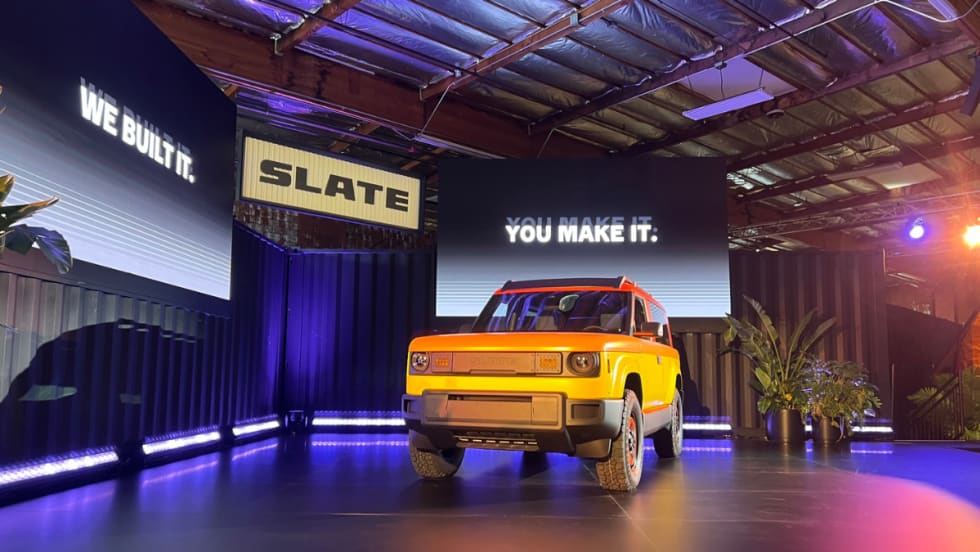
Slate Debuts Colorful, Unique EV Models
A recent media and client event, studded with electric vehicles dressed up on platforms, planted a new position for the manufacturer in the wider EV market. Fleets will find cost-saving advantages.
Read More →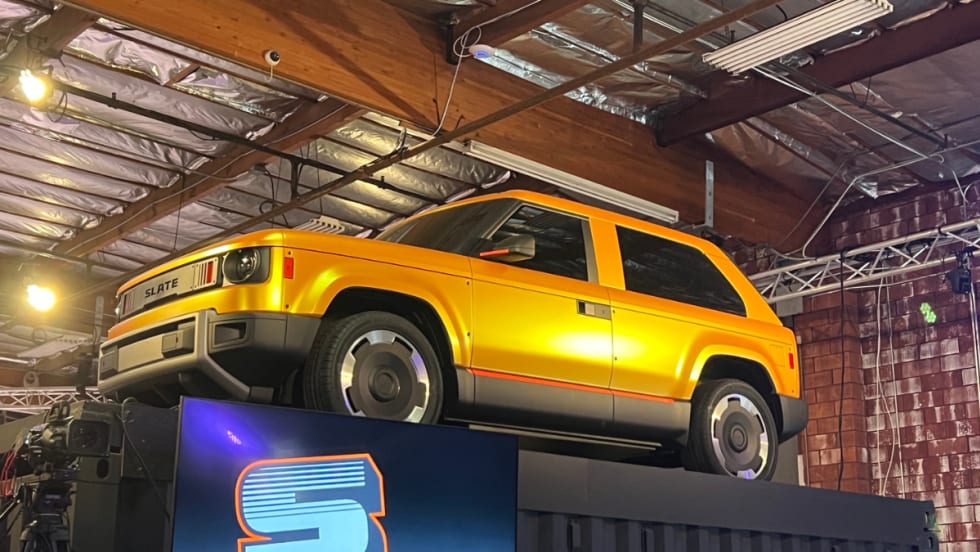
Slate Electric SUV, Pickup Switchable Model Aims For Light-Duty Fleets
Everything about this EV is counterintuitive and understated, making it stand out from the crowd.
Read More →
Inspiration Mobility Acquires Key Electrada Assets
Inspiration Mobility Group has acquired select assets of Electrada, adding the fleet electrification provider's team, technology, and charging infrastructure development capabilities to its energy management business.
Read More →
Turning Connected Vehicle Data Into Decisions That Matter
Fleet leaders have more data than ever, but turning that data into clear, actionable decisions remains a challenge. This white paper shows how leading organizations are using connected vehicle data to improve safety, reduce costs, and optimize fleet performance. Learn how to turn insight into action across your fleet.
Read More →
Are You Tracking Your Fleet's True Total Cost of Ownership?
Bobit Business Media surveyed 190 fleet professionals and found that while most fleets are tracking costs, fragmented systems and data gaps are keeping true TCO visibility out of reach. With rising pressure to control spend in an increasingly volatile environment, the gap between what fleets think they know and what the data actually shows is wider than you might expect. See how your peers are managing costs today and where the industry still has room to improve.
Read More →