




Related: First FedEx Ground Provider Adds Workhorse Electric Van
Workhorse to Spin Off Aviation Business
Workhorse Group announced its intention to spin off its aviation division, which includes its SureFly personal helicopter, into a separate publicly traded company named SureFly Inc. – but it will hold on to the HorseFly drone designed for parcel deliveries.
by Staff
December 28, 2017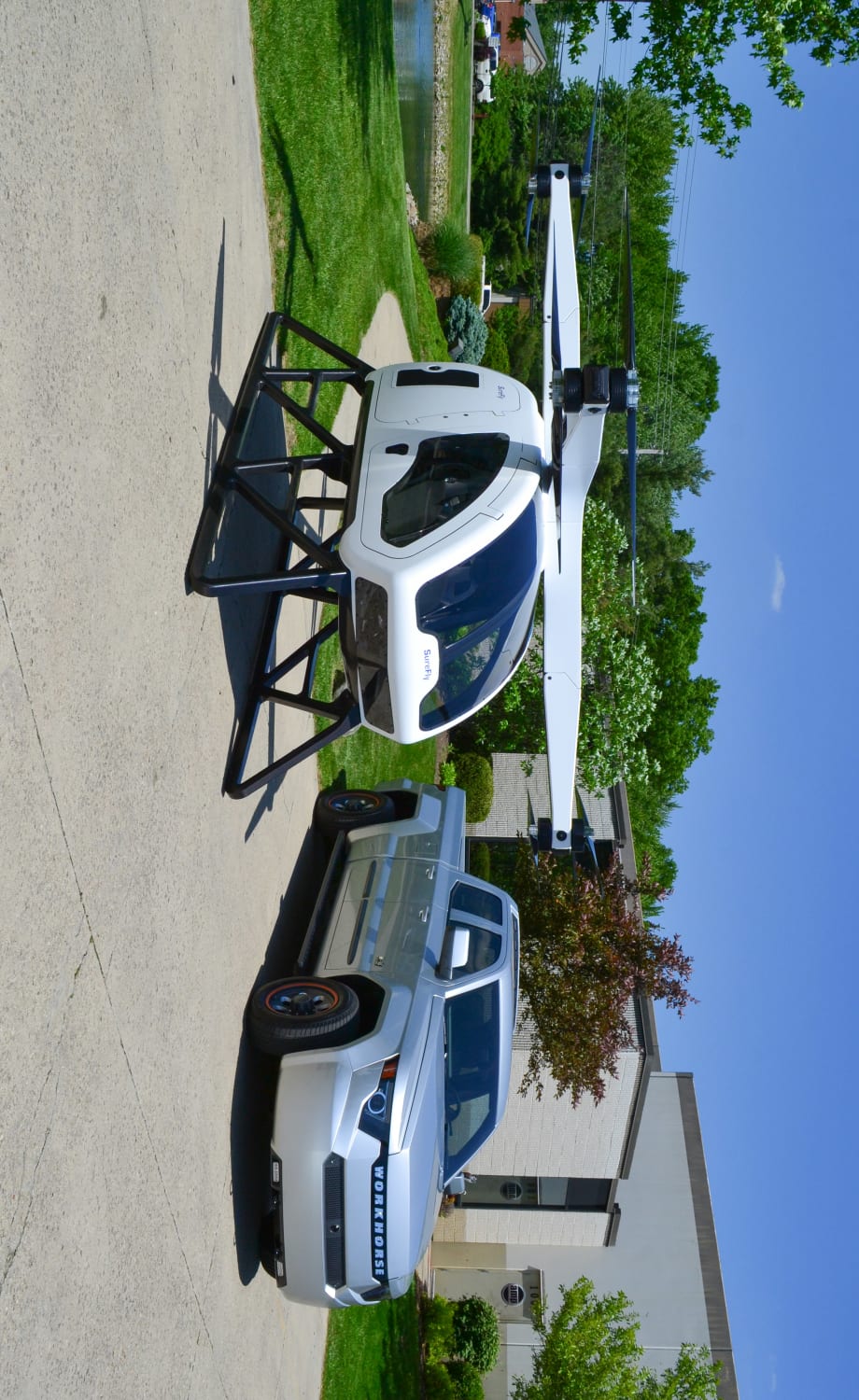
The SureFly Octocopter Photo: Workhorse Group
2 min to read

The SureFly OctocopterPhoto: Workhorse Group
Workhorse Group announced its intention to spin off its aviation division, which includes its SureFly personal helicopter, into a separate publicly traded company named SureFly Inc.
SureFly Inc. will encompass all SureFly aerial technology and expertise, including property related to the personal helicopter, but it will not own the assets related to the package express-related HorseFly drone, which will be retained by Workhorse.
Workhorse expects to grant SureFly a royalty-free, perpetual license to use the HorseFly drone, except with respect to deliveries implemented from a ground-based vehicle focused on package express. At the time of the spin-off, Workhorse expects to enter into a transition services agreement with SureFly to provide certain engineering and accounting services not anticipated to be provided immediately by employees of SureFly.
SureFly is currently an indirect, wholly owned subsidiary of Workhorse. In conjunction with the overall spin-off plan, Workhorse expects to retain a portion of SureFly Inc. common stock and will distribute a portion the common stock to existing Workhorse shareholders. Third-party investors, bringing new capital, will likely constitute the balance of the ownership of SureFly Inc.
“This agreement provides Workhorse with additional capital to bolster our balance sheet and, once the spin-off is complete, will enable us to focus all of our resources on our core automotive business,” said company CEO Steve Burns. “SureFly has been one of the most exciting products we've ever developed and reflects the best representation of the versatility of our innovative platform technologies. And while this new business will likely command a meaningful valuation, we believe the decision to spin off SureFly into a separate entity will better facilitate the long-term growth of both companies.”
More Operations
Here's When You Should Make an Exception to Fleet Policy
Fleet policies are designed to create consistency, but not every driver or situation fits neatly within standard rules.
Read More →
AI-Native or AI-Acquired: What Should Fleet Managers Look for in an AI Platform?
Six questions can help fleet managers look beyond AI marketing claims to evaluate integration, data access, and real-world operational performance.
Read More →
Sponsored•October 14, 2026
A buyer's guide to fleet management software in 2027
Buying fleet management software in 2027 means looking beyond features and price. As fleet operations, technology and expectations evolve, this guide explores what today’s fleet professionals should consider when choosing a system that can deliver value now and adapt to what comes next.
Read More →

What Will Shape the Next Era of Fleet Management?
EVs, AI, and autonomous vehicles are reshaping fleet management. Discover what’s ahead—and how fleet leaders can prepare for the next era.
Read More →
How Fleets Can Recruit and Train Veterans for Technician Roles
Here's how the technician shortage has affected uptime for fleets, and what to do about it.
Read More →
Avis Budget Group Deploys Neology Toll Management Technology Across Major Brands
Neology’s neoFleet platform will manage toll transactions and toll-authority operations for vehicles across Avis, Budget, Payless, Budget Truck and Zipcar.
Read More →
Fleet Personal-Use Charges Edge Higher in 2026
Nearly eight in 10 surveyed fleets allow personal use of company vehicles, while just over half of respondents report charging employees for the privilege.
Read More →
The Future of Fleet + What’s Changing Right Now | AF News Recap
Could developments overseas offer a preview of what’s coming for U.S. fleets? This week, we’re looking at the future of AI, autonomy, and electrification, plus Ford Pro’s new certified pre-owned program, smarter vehicle offboarding, and a new way for fleets to manage toll expenses.
Read More →
How to Handle Vehicle Offboarding
What do fleet managers need to do when a driver leaves?
Read More →
Sponsored•October 1, 2026
Fleet Manager’s Ultimate Playbook: Navigating the New Standard in OEM Connectivity
Rising operating costs, driver safety concerns, and unplanned downtime are putting unprecedented pressure on modern fleets. Discover how fleet managers use embedded OEM connectivity and real-time vehicle data to cut TCO, prevent downtime, and protect drivers without aftermarket telematics hardware.
Read More →