




Wind Turbine Produces Hydrogen for N.Y. Fuel Cell Fleet
The town of Hempstead, N.Y., recently completed construction of a 100-kW wind turbine that will produce pressurized hydrogen for use by the town’s fleet of fuel cell vehicles.
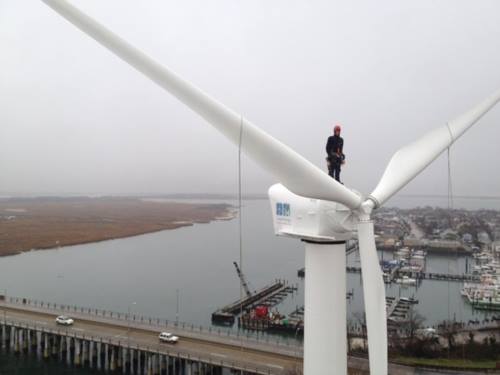
Hempstead's wind turbine will produce hydrogen for use in fuel cell vehicles.
The town of Hempstead, N.Y., recently completed construction of a 100-kW wind turbine that will produce pressurized hydrogen for use by the town’s fleet of fuel cell vehicles.
Hempstead received over $4.5 million in federal funding for energy projects under the Energy Efficiency and Conservation Block Grant (EECBG) program. SourceOne Inc., an energy management and consulting firm, has partnered with the town as project manager and grant administrator for over two years. Hempstead is implementing a variety of energy projects.
Last month, major construction and vertical assembly of the 100-kW Northern Power 100 wind turbine was completed at Hempstead’s hydrogen station, where pressurized hydrogen will be produced and stored for use by the town’s fuel cell vehicles.
Construction began in early November with installation of the turbine foundation, consisting of a 16-foot mono-pile of reinforced concrete mounted below ground in a corrugated metal pipe. Following the main concrete pour and successful break tests after a 28-day curing period, the wind turbine was delivered to the site in sections and assembled – in spite of harsh weather.
When the project is commissioned and interconnected, the wind turbine will provide all the power necessary to run Hempstead’s hydrogen fueling station and even sell some power back to the grid.
The hydrogen fueling station is Long Island’s first H2 station. It is located at Hempstead’s Conservation and Waterways Facility.
Hempstead officials said they are also looking forward to finishing construction on the town’s next round of infrastructure projects, including solar carports and a ground-source heat pump system for the Department of Conservation and Waterways headquarters.
More Green Fleet
EV Charging Use Is Outpacing Infrastructure Growth
ChargePoint’s 2026 Charging Forward Report points to rising charger use, higher-powered charging, commercial vehicle electrification, and energy-management technology. Here’s what fleets should know.
Read More →
Merchants Fleet Reports 290M EV Miles as Fleets Navigate Changing Electrification Market
From millions in operating savings to hundreds of millions of EV miles, Merchants Fleet’s latest report reveals what’s working and what’s changing in fleet electrification.
Read More →
The EV Breakdown Nobody's Talking About: Why Most Electric Vehicle Roadside Calls Aren't Mechanical Failures
Here's why EV breakdowns are widely misunderstood.
Read More →
ChargePoint Now Available in Energy Pass
ChargePoint and additional planned charging network integrations were added to GM's Energy Pass.
Read More →

First Look: Slate Auto's Electric Fleet Pickup
Could an affordable, modular EV pickup make electrification more practical for fleets?
Read More →
Slate Debuts Colorful, Unique EV Models
A recent media and client event, studded with electric vehicles dressed up on platforms, planted a new position for the manufacturer in the wider EV market. Fleets will find cost-saving advantages.
Read More →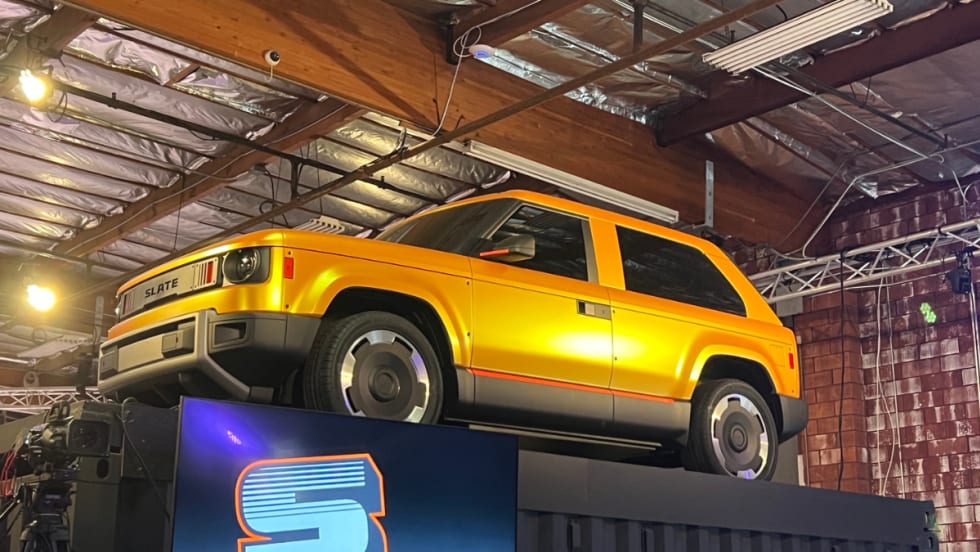
Slate Electric SUV, Pickup Switchable Model Aims For Light-Duty Fleets
Everything about this EV is counterintuitive and understated, making it stand out from the crowd.
Read More →
Inspiration Mobility Acquires Key Electrada Assets
Inspiration Mobility Group has acquired select assets of Electrada, adding the fleet electrification provider's team, technology, and charging infrastructure development capabilities to its energy management business.
Read More →
Turning Connected Vehicle Data Into Decisions That Matter
Fleet leaders have more data than ever, but turning that data into clear, actionable decisions remains a challenge. This white paper shows how leading organizations are using connected vehicle data to improve safety, reduce costs, and optimize fleet performance. Learn how to turn insight into action across your fleet.
Read More →