




White House Sets Fuel-Economy Targets for Heavy-Duty Vehicles
WASHINGTON – The Obama administration announced new fuel-economy and emissions standards for heavy-duty trucks and buses, heavy-duty pickup trucks and vans, and vocational vehicles.
WASHINGTON – The Obama administration announced new fuel-economy and emissions standards for heavy-duty trucks and buses, heavy-duty pickup trucks and vans, and vocational vehicles.
The U.S. Department of Transportation (DOT) and Environmental Protection Agency worked with commercial carriers to develop the program, according to a statement released by the White House. This announcement comes on the heels of the White House's program to set CAFE standards for vehicles built in model years 2017-2025.
The new fuel-economy and emissions standards will go into effect beginning in MY-2014. The program will include a range of fuel-economy targets specific to vehicle type and application.
Vehicles are divided into three categories: combination tractors (semi-trucks), heavy-duty pickup trucks and vans, and vocational vehicles, such as refuse trucks, delivery vehicles, and transit buses. Within each category, the program sets more specific targets based on vehicle design and application.
For the three categories, the standards are as follows: Certain combination tractors (big rigs or semi trucks) will be required to achieve up to approximately 20 percent reduction in fuel consumption and greenhouse gas emissions by MY-2018, saving up to 4 gallons of fuel for every 100 miles traveled.
For heavy-duty pickup trucks and vans, the program requires separate standards for gasoline-powered and diesel trucks. The program requires these vehicles to achieve up to about 15 percent reduction in fuel consumption and greenhouse gas emissions by MY-2018.
Lastly, vocational vehicles, including delivery trucks, buses and garbage trucks, will be required to reduce fuel consumption and greenhouse gas emissions by approximately 10 percent by model-year 2018.
According to the White House’s statement, heavy-duty pickup trucks and vans must meet targets for gallons of fuel consumed and CO2 emissions per mile. The other two categories of trucks, which include combination tractors or semi-trucks and vocational vehicles, must meet targets for gallons of fuel consumed and GHG emissions per ton-mile. This figure is calculated by dividing the number of gallons of fuel consumed and grams of CO2 emissions per mile by tons of freight hauled.
The administration expects these standards to result in saving a projected 530 million barrels of oil and reducing carbon pollution emissions by about 270 million metric tons during the lifetime of vehicles built for MY-2014-2018.
For more discussion of this subject, Automotive Fleet Editor Mike Antich has written a blog post discussing the impact of the new CAFE standards on fleets and the automotive industry.
You can see more detailed information on fuel-economy and emissions standards on the EPA's website here.
More Green Fleet

EV Charging Use Is Outpacing Infrastructure Growth
ChargePoint’s 2026 Charging Forward Report points to rising charger use, higher-powered charging, commercial vehicle electrification, and energy-management technology. Here’s what fleets should know.
Read More →
Merchants Fleet Reports 290M EV Miles as Fleets Navigate Changing Electrification Market
From millions in operating savings to hundreds of millions of EV miles, Merchants Fleet’s latest report reveals what’s working and what’s changing in fleet electrification.
Read More →
The EV Breakdown Nobody's Talking About: Why Most Electric Vehicle Roadside Calls Aren't Mechanical Failures
Here's why EV breakdowns are widely misunderstood.
Read More →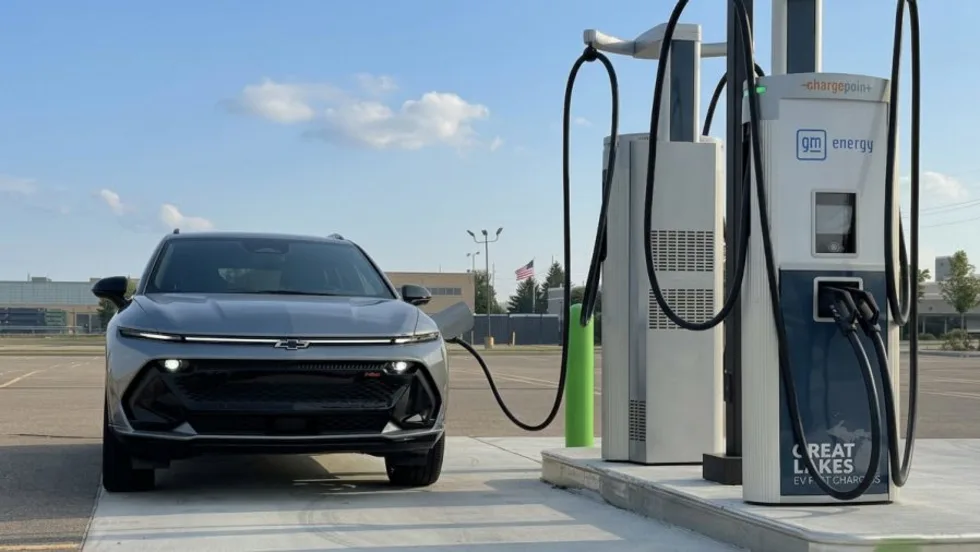
ChargePoint Now Available in Energy Pass
ChargePoint and additional planned charging network integrations were added to GM's Energy Pass.
Read More →

First Look: Slate Auto's Electric Fleet Pickup
Could an affordable, modular EV pickup make electrification more practical for fleets?
Read More →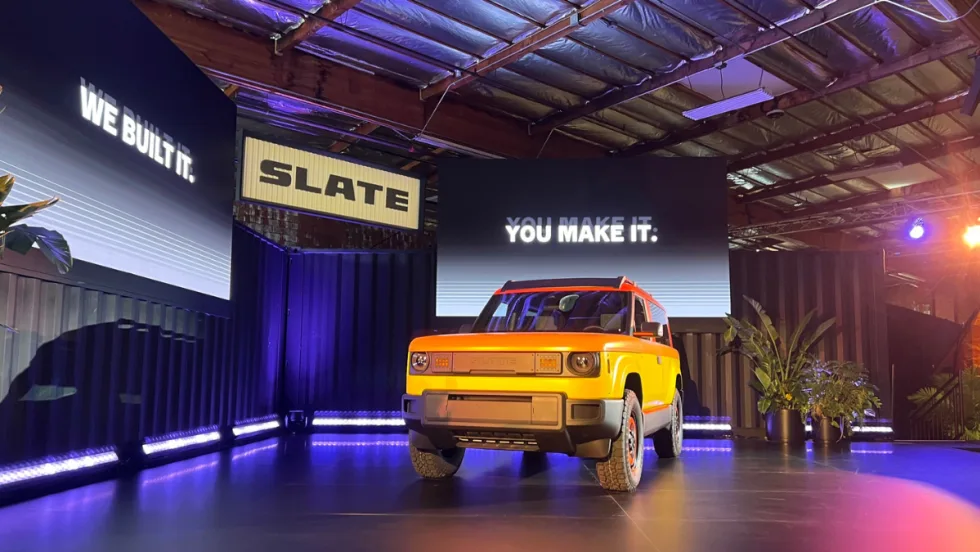
Slate Debuts Colorful, Unique EV Models
A recent media and client event, studded with electric vehicles dressed up on platforms, planted a new position for the manufacturer in the wider EV market. Fleets will find cost-saving advantages.
Read More →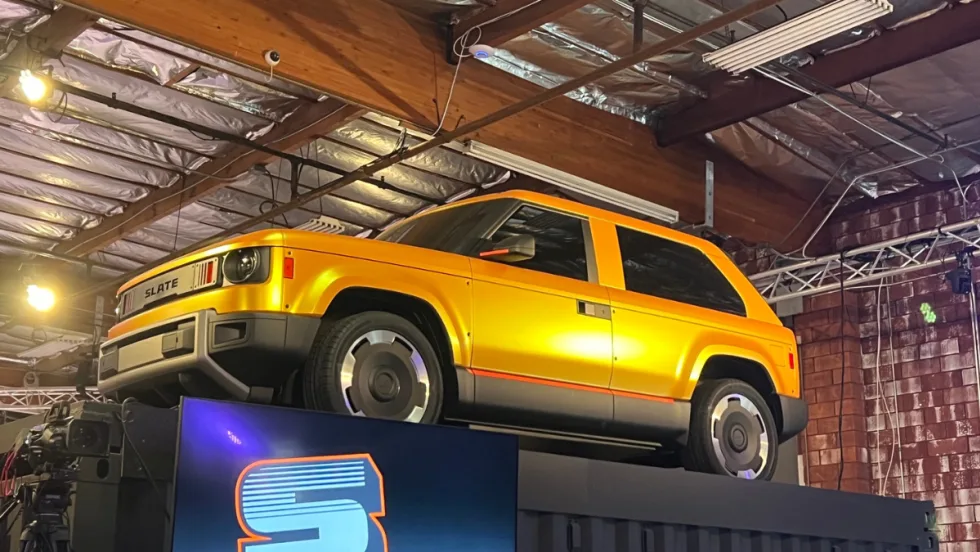
Slate Electric SUV, Pickup Switchable Model Aims For Light-Duty Fleets
Everything about this EV is counterintuitive and understated, making it stand out from the crowd.
Read More →
Inspiration Mobility Acquires Key Electrada Assets
Inspiration Mobility Group has acquired select assets of Electrada, adding the fleet electrification provider's team, technology, and charging infrastructure development capabilities to its energy management business.
Read More →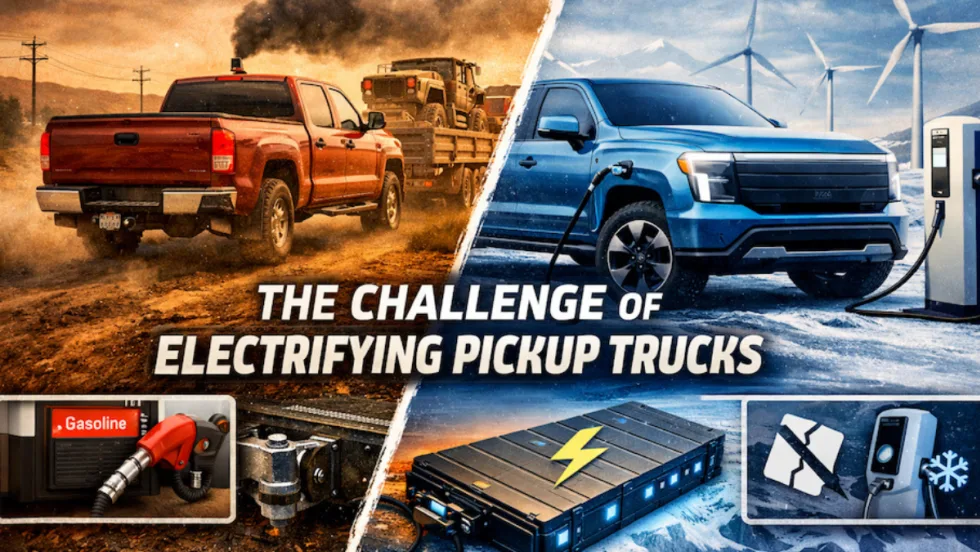
Why America’s Most Popular Vehicle is So Hard to Electrify
Turning America’s favorite workhorse electric means balancing range, payload, charging infrastructure, and price, an equation automakers are still trying to solve.
Read More →