


 MENU
MENU SEARCHMENUSEARCH
Loading data...
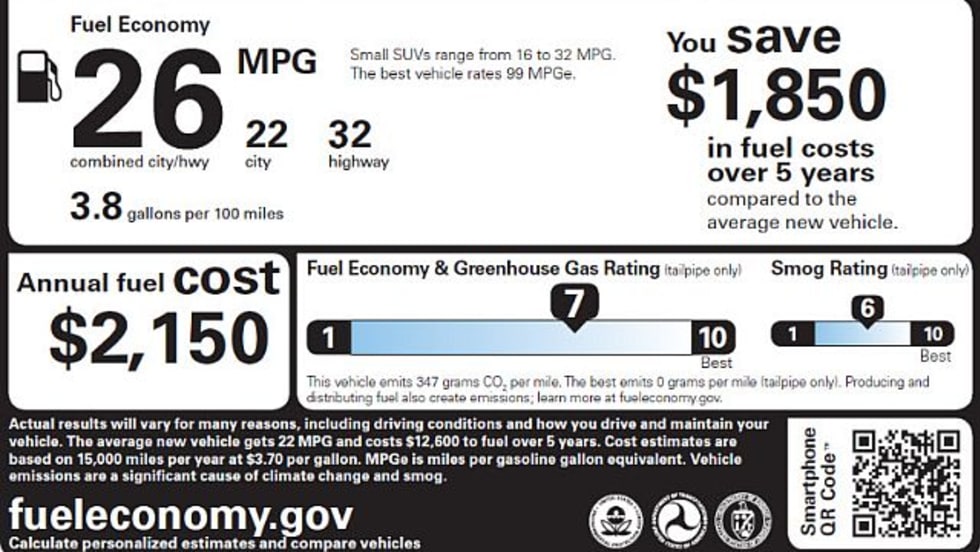
The average fuel economy of new vehicles sold in August, decreased by 0.1 mpg from 25.4 to 25.3 mpg compared to the previous month, according to a study by the University of Michigan's Transportation Research Institute (UMTRI).
Read More →
Nowadays, OEMs introduce new models throughout the calendar-year. For many fleet managers, the staggered release of new models complicates fleet planning and the ordering process. Some model lines may have variable final order and startup dates due to muttiple plant assignments and model configurations. Fleet-minded OEMs have been terrific partners to fleets and, together, there should be a way to mitigate the impact of staggered production schedules for their largest customers.
Read More →Within the context of fleet management, the concept of megatrends is used to identify economic and technological forces that can potentially alter our present-day industry in game-changing ways. Among the current megatrends that can potentially alter fleet as we know it are a higher interest rate environment, a higher taxation environment, leap-frogging technology, changing fleet demographics, and higher acquisition costs.
Read More →WASHINGTON - Analysts Baum & Associates found that from January to June 2012, the average fuel economy of new passenger vehicles was 23.8 mpg.
Read More →WASHINGTON – The Alliance of Automobile Manufacturers, whose membership consists of 12 automakers, proposed changes to the Obama administration's proposed 2017-2025 CAFE and greenhouse gas (GHG) standards, specifically how they are required to account for emissions reductions.
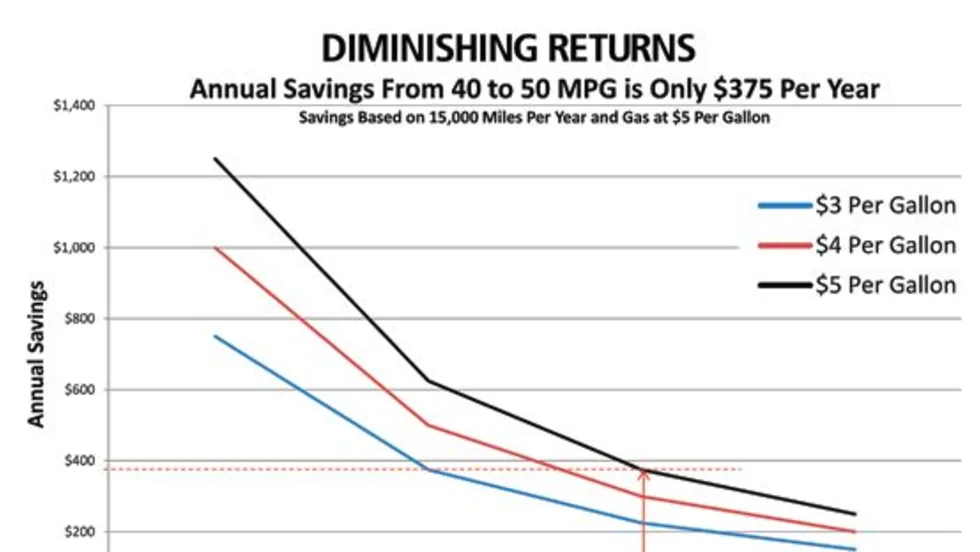
Read More →The cost to design and build vehicles to meet the higher 2017-2021 fuelefficiency standards will average an additional $2,000 to $6,000 per vehicle. Proponents of the higher CAFE standards argue the higher acquisition costs will be offset by much greater fuel savings. However, is there a diminishing return on cost savings as fuel efficiency increases? Kelley Blue Book thinks so.
Read More →DETROIT - The survey conducted by Ducker Worldwide shows a significant planned increase in the amount of aluminum used in vehicles in order to reduce weight.
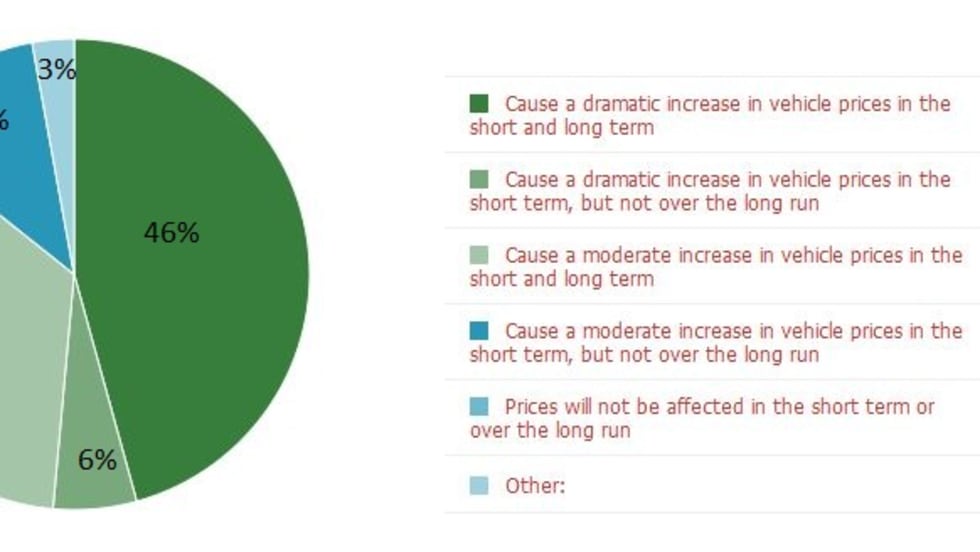
Read More →TORRANCE, CA – Automotive Fleet conducted an unscientific poll to get a general impression of how professionals in the fleet industry believe new fuel economy standards will affect vehicle prices.
Read More →DETROIT – General Motors and LG Group announced they have agreed to jointly design and engineer future electric vehicles, expanding a relationship built on LG’s work as the battery cell supplier for the Chevrolet Volt and Opel Ampera extended-range EVs.
Read More →The 2025 CAFE rules will have a dramatic impact on the types of future vehicles in fleet operations. Currently, no OEM can meet the 2025 CAFE standard of 54.5 mpg, which will double the average EPA-rated fuel economy for all OEMs selling vehicles in the U.S. in less than two decades. Today, only a handful of models get 39 mpg or more. To achieve this standard, the government plans to incentivize the use of advanced technologies, such as hybrid powertrains and vehicle electrification.
Read More →