





Dive Deeper: The Eclectic Electric Car Market: 2022 & Beyond
Which EV is the Cheapest to Charge and Drive?
According to an EV Miles report, the Tesla Model 3 Standard Range Plus is the cheapest EV to charge and drive. Oklahoma, Missouri, and Nebraska were named the top three cheapest states to drive this electric vehicle.
March 8, 2022

According to Zutobi’s EV Miles report, the Tesla Model 3 (Standard Range Plus) is the cheapest EV to drive and charge at $3.02 per 100 miles.
Photo: Tesla
2 min to read
When it comes to electric vehicles, which ones are the cheapest to charge and drive per mile? Zutobi answered this question in its EV Miles report.
In Zutobi’s research, Tesla took the top three spots for the cheapest EVs to charge and drive. Tesla Model 3 (Standard Range Plus) claimed the first spot, followed by Tesla Model 3 (Standard Range Plus LFP) and Tesla Model 3 (Long Range Dual Motor). All these Tesla vehicles allow you to drive over 3,000 miles on $100 worth of electricity.
According to the report, the Standard Range Plus and the Standard Range Plus LFP cost $6.35 to full charge, while the Long Range Dual Motor costs $8.88 to fully charge. For estimated cost to charge per 100 miles, the Standard Range Plus costs $3.02, the Standard Range Plus LFP is $3.10, and the Long Range Dual Motor is $3.12.
Additionally, the report analyzed data to figure out which states were the cheapest to drive the Tesla Model 3 Standard Range Plus. Oklahoma took the top spot with an estimated cost to fully charge at $4.46 and an estimated cost per 100 miles of $2.12. Missouri took second with an estimated cost to fully charge at $4.69 and an estimated cost per 100 miles of $2.23. Nebraska came in third with an estimated cost to fully charge at $4.71 and an estimated cost per 100 miles of $2.24.
What’s the most expensive state to charge this Tesla EV? That spot goes to Hawaii with an estimated cost to fully charge at $15.28 and an estimated cost per 100 miles of $7.27.
For this report, Zutobi took the usable battery capacity (kWh) and the real range (miles) to figure out the estimated cost to charge, the estimated cost per mile, the estimated cost per 100 miles, and how many miles per $100 for each vehicle and state in the U.S.
More Fleet Forward

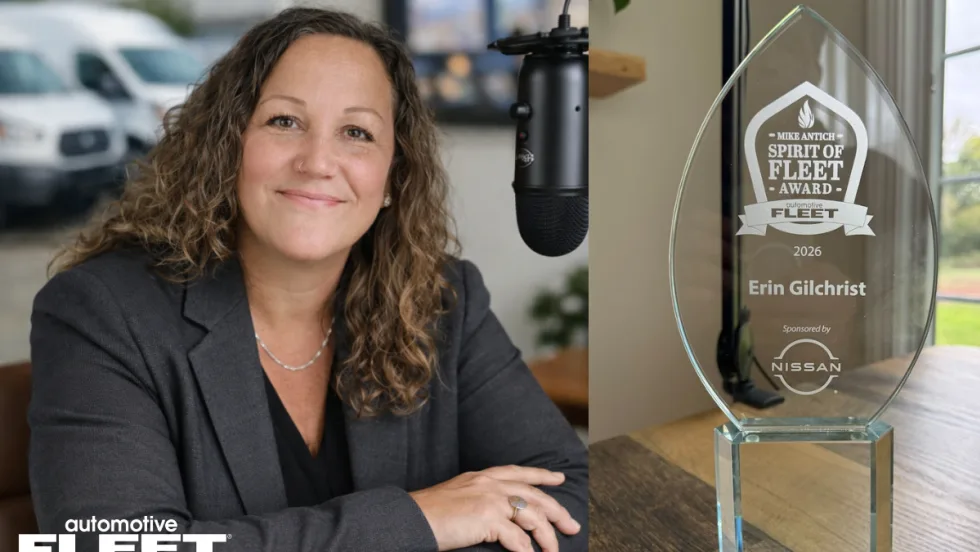
Erin Gilchrist Receives Mike Antich Spirit of Fleet Award
Last week at AFLA in Vegas, Erin Gilchrist received the inaugural, brand-new Spirit of Fleet Award.
Read More →
Dominika Leja Named the 2026 Fleet Manager of the Year
The AstraZeneca associate director of fleet was recognized for her leadership in fleet electrification, cost savings, and operational transformation.
Read More →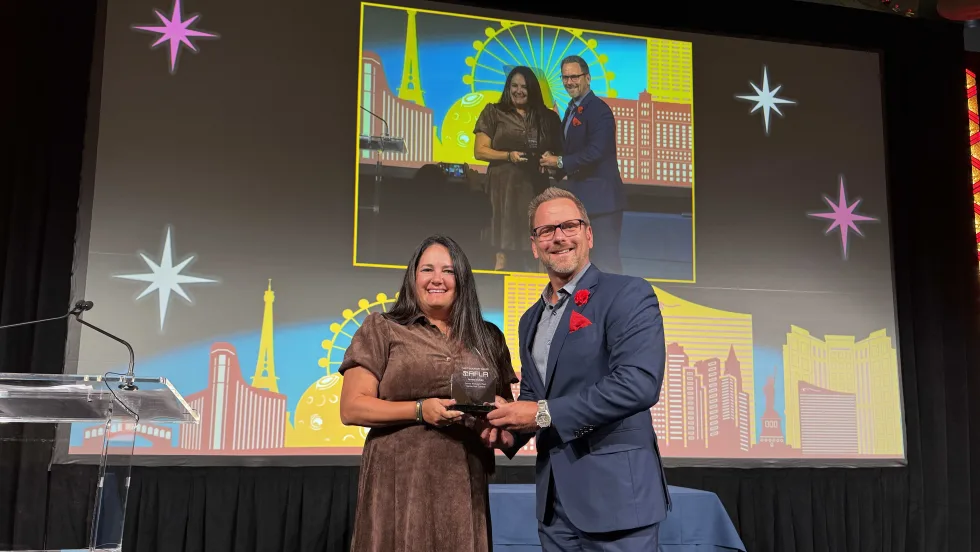
Jamie McKay Named the 2026 Fleet Visionary Award Winner
The Aptive Pest Control fleet manager was recognized for her approach to operations, data, lifecycle management, and driver needs.
Read More →
Fleet Forward Conference Introduces One-Day Passes for 2026
New one-day registration gives fleet professionals the flexibility to attend Tuesday, Wednesday, or Thursday, with passes available for $199 through Sept. 18.
Read More →
Vibe Coding: When Fleet Managers Become Software Builders
Five fleet professionals — none with programming skills — discuss how they’re using AI to build fleet solutions in-house and in a fraction of the time.
Read More →
Fleet Forward Conference Tackles Fleet Industry’s Growing Leadership Gap
This session will examine succession planning, knowledge transfer, and the skills the next generation of fleet leaders will need as veteran professionals leave the industry.
Read More →
2026 Fleet Manager of the Year Finalists Announced
Who are the 2026 Fleet Manager of the Year finalists?
Read More →
John Rossant to Deliver Opening Keynote at 2026 Fleet Forward Conference
The CoMotion founder will draw on developments across Europe, China, the Middle East, and other international markets to identify trends that could influence how U.S. fleets plan for the coming decade.
Read More →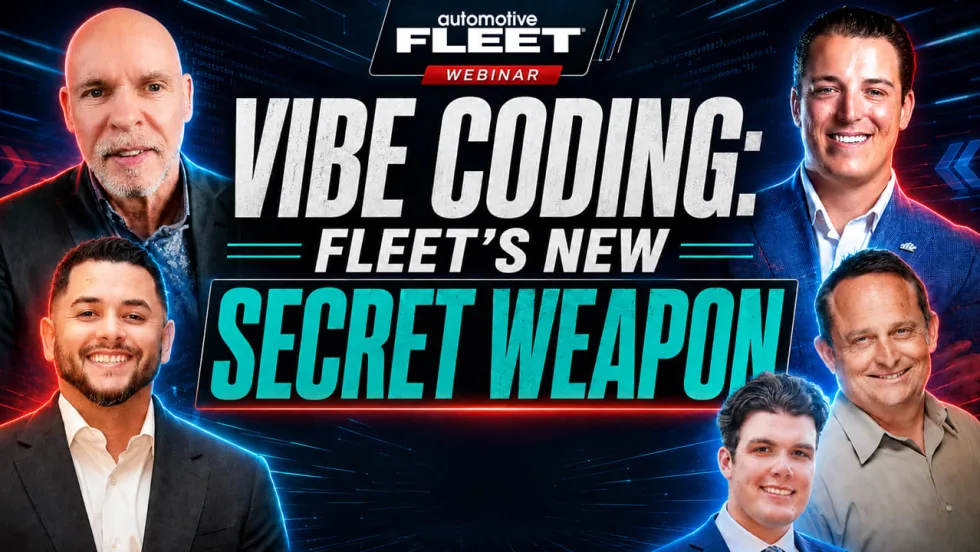
How to Build Custom Fleet Tools With AI and Vibe Coding [Webinar]
A new Automotive Fleet webinar explores how fleet managers are using AI and vibe coding to automate routine work and create simple operational tools without traditional programming skills.
Read More →