




Related: Should Delivery Fleets Pay to Park in Loading Zones?
When Are Fleets Busiest in Aspen?
The Colorado mountain town and 28 commercial fleets are taking part in a pilot that aims to better manage curb space by understanding commercial loading behavior.
by Staff
December 18, 2020
The most popular times of day for loading and unloading in Aspen are between 9am to 11am, with 11am to 1pm the next busiest time of day, and with little activity past 2pm.
Photo courtesy of Coord.
3 min to read
This week the City of Aspen released initial findings of a pilot program to better manage the city’s curbs. The Smart Zone pilot program, launched in November, is conducted in partnership with Coord, a curb management company. Some 28 fleets, representing a mix of regional and national companies, are participating in the program.
With Smart Zones using Coord’s technology, commercial drivers use an app to locate nearby available loading zones and to hold, book, and pay for time in them. The goal is for drivers receive information and incentives to load in safe and legal locations, which in turn reduces double parking and blocked pedestrian access.
Spun out of Alphabet’s Sidewalk Labs, Coord is deploying curb management pilot programs in Omaha, Aspen, Nashville, and West Palm Beach.
Coord’s Smart Zones are providing the City of Aspen with the data collected on when and where participating fleet vehicles load in the designated zones. Participating fleets include US Foods, FedEx, Frito Lay, Sysco and UNFI.
Among the initial findings:
In nearly 40% of bookings, the driver used the Smart Zone system’s “hold” function, allowing the driver to reserve the Smart Zone 10 minutes prior to arrival. In the other 60% of bookings, drivers spontaneously booked when they arrived at an available Smart Zone.
In Aspen, the most popular times of day for loading and unloading are between 9am to 11am, with 11am to 1pm the next busiest time of day. Although initial data suggests little loading activity past 2pm, Aspen will continue to monitor this trend to see if it persists during the busy winter season, the city said in a statement.
Tuesday and Friday are by far the most popular days of the week for loading, followed by Monday.
Wednesday and Thursday are the quietest days in Aspen for loading. Aspen sees only about half as many loading events on these days as it sees on Tuesdays.
The average stay at a Smart Zone is 34 minutes. The most common amount of time a driver books is 30 minutes, followed by 60 minutes.
Although prices are constant throughout the day, a smaller share of vehicles begins loading early in the day. These early bird vehicles tend to load for longer periods of time. Vehicles arriving between 7am and 8am on average load/dwell for about 80 minutes. Average dwell time decreases considerably as demand for the zones increases in the 9am to 11am period.
The City of Aspen will continue to monitor the program and will use the information it generates to modify Smart Zone locations, days and hours of operation, pricing, and time limits, the city said in the statement. In some cases, when it’s demonstrated there is not a demand for loading space, the City will allocate more space to other uses, such as parking.
“I am very happy with the support of the delivery trucks, the community, and the businesses during the successful first 30 days of the Smart Loading Zone pilot,” said Mitch Osur, director of parking at the City of Aspen. “The data collected has been very enlightening and we have learned some things already that we will put in place soon.”
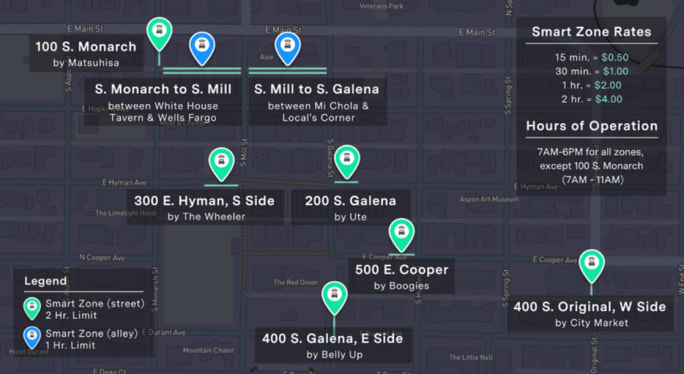
Image courtesy of Coord.
More Fleet Forward

Chad Edmondson Named 2026 Fleet Safety Award Winner
The VSC Fire & Security fleet director oversees more than 1,100 assets nationwide. His approach to improving driver safety emphasizes collaboration, employee engagement, and building trust with the people behind the wheel.
Read More →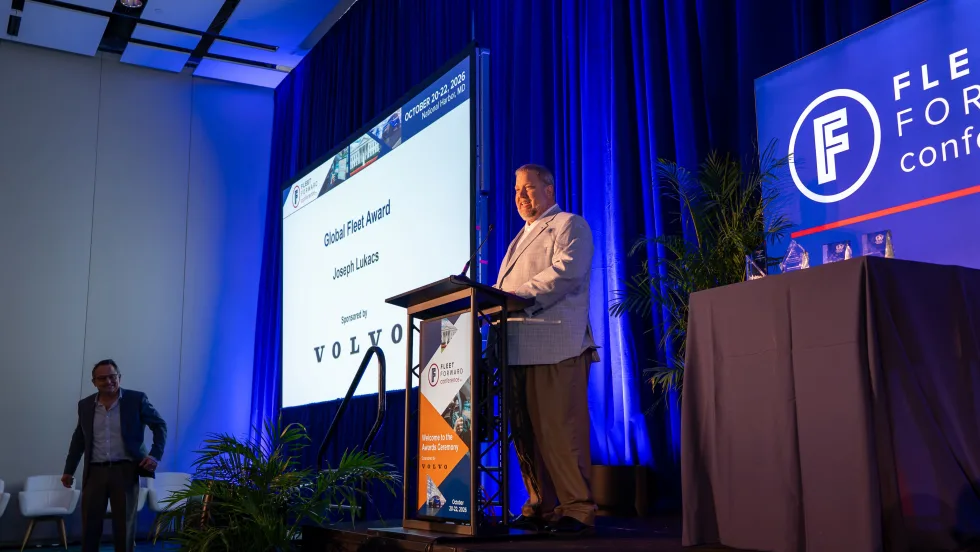
Joseph Lukacs Wins 2026 Global Fleet Manager of the Year
The Sherwin-Williams fleet leader adds another industry honor to his career after being named the 2025 Edward J. Bobit Professional Fleet Manager of the Year.
Read More →
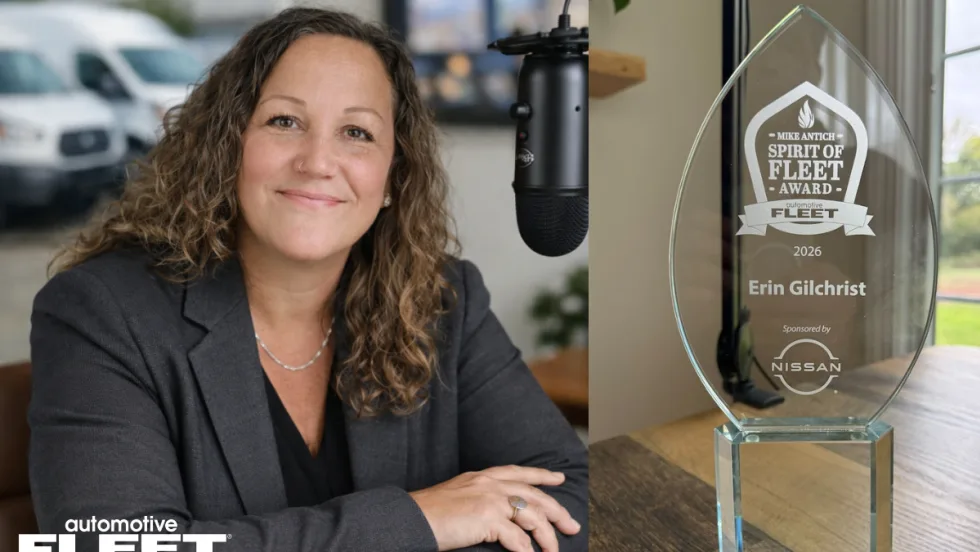
Erin Gilchrist Receives Mike Antich Spirit of Fleet Award
Last week at AFLA in Vegas, Erin Gilchrist received the inaugural, brand-new Spirit of Fleet Award.
Read More →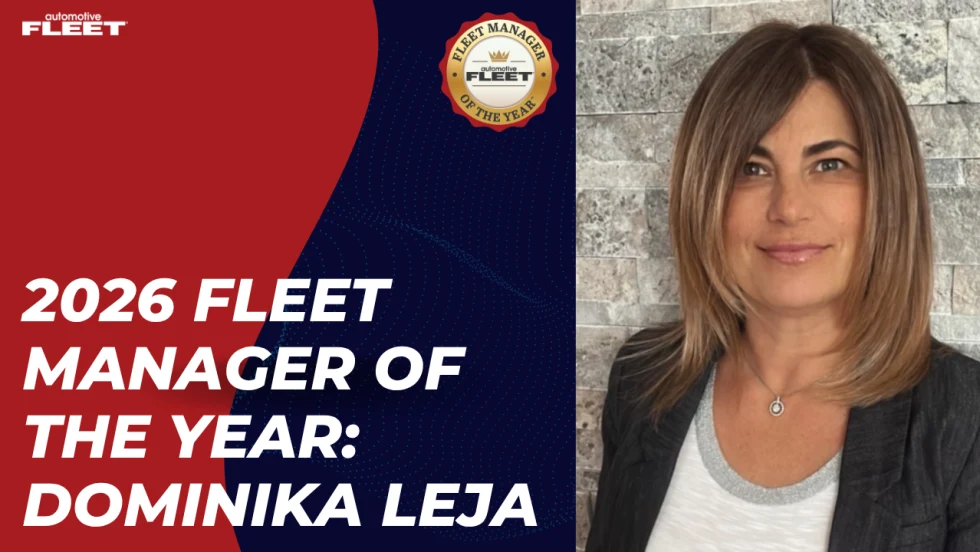
Dominika Leja Named the 2026 Fleet Manager of the Year
The AstraZeneca associate director of fleet was recognized for her leadership in fleet electrification, cost savings, and operational transformation.
Read More →
Jamie McKay Named the 2026 Fleet Visionary Award Winner
The Aptive Pest Control fleet manager was recognized for her approach to operations, data, lifecycle management, and driver needs.
Read More →
Fleet Forward Conference Introduces One-Day Passes for 2026
New one-day registration gives fleet professionals the flexibility to attend Tuesday, Wednesday, or Thursday, with passes available for $199 through Sept. 18.
Read More →
Vibe Coding: When Fleet Managers Become Software Builders
Five fleet professionals — none with programming skills — discuss how they’re using AI to build fleet solutions in-house and in a fraction of the time.
Read More →
Fleet Forward Conference Tackles Fleet Industry’s Growing Leadership Gap
This session will examine succession planning, knowledge transfer, and the skills the next generation of fleet leaders will need as veteran professionals leave the industry.
Read More →
2026 Fleet Manager of the Year Finalists Announced
Who are the 2026 Fleet Manager of the Year finalists?
Read More →