





Related: Gasoline's Month-Long Climb Reaches $2.74 Per Gallon
Weekly Gasoline Prices Spike 10 Cents to $2.83
Pump prices increased 10 cents to $2.83 per gallon for the week with the West Coast taking the brunt of a nearly 20-cent increase as refinery maintenance is causing tighter gasoline supply, according to AAA.
April 15, 2019
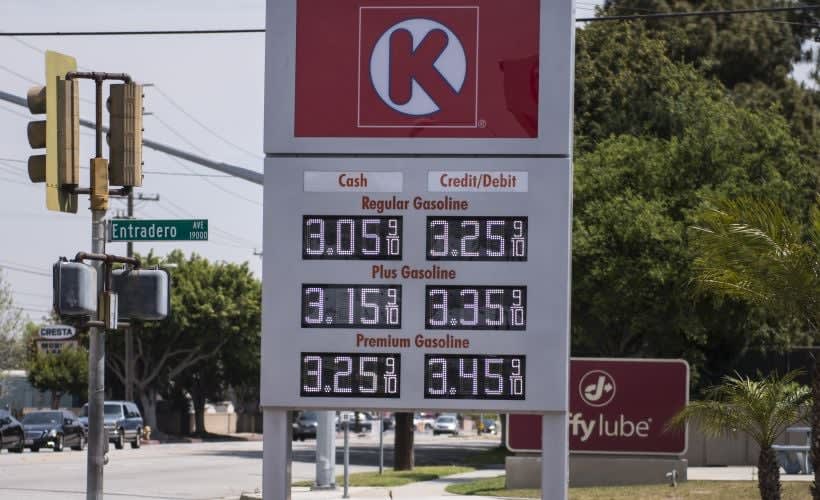
The national average gasoline price has climbed to $2.83 per gallon from $2.26 per gallon in early February.
Photo by Vince Taroc.
2 min to read
Pump prices increased 10 cents to $2.83 per gallon for the week with the West Coast taking the brunt of a nearly 20-cent increase as refinery maintenance is causing tighter gasoline supply, according to AAA.
For the week ending April 15, California's average pump price reached $4, which is the most expensive state average since July 2014.
The national average price is now 3 cents higher than a month ago and 12 cents higher than a year ago.
"We are seeing very expensive gas prices for this time of year across the country," said Jeanette Casselano, AAA spokesperson. "Motorists are seeing prices increase as gasoline stocks decreased substantially by 7.7 million barrels amid summer-like demand readings."
National gasoline prices have been moving higher since Feb. 4, when they sat at $2.26 per gallon. At the time, the price was near a two-year low.
States with the largest weekly increase include California (20 cents), Nevada (18 cents), Missouri (13 cents), Oregon (12 cents), Alaska (12 cents), Washington (12 cents), Utah (12 cents), Colorado (12 cents), Idaho (11 cents), and Kansas (11 cents).
States with the least expensive markets include Alabama ($2.50), Mississippi ($2.51), Arkansas ($2.52), South Carolina ($2.52), Louisiana ($2.54), Texas ($2.57), Virginia ($2.57), Oklahoma ($2.59), New Hampshire ($2.59), and Missouri ($2.60).
Meanwhile, the average price of diesel fuel increased 2.5 cents to $3.118, which is 1.4 cents higher than a year ago, according to the U.S. Energy Information Administration.
More Fuel

WEX Report: Fleet Fuel Costs Rise as Purchasing Volumes Hold Steady in 2026
New analysis of WEX customer transaction data highlights rising fuel expenses, differences in purchasing behavior, and opportunities for fleet managers to evaluate operating costs.

October Fuel Trends Show Diverging Gasoline and Diesel Prices
Get the latest fuel trends from October.

Fuel Prices Surge in September | September Fuel Update
September brought major fuel price swings, including diesel crossing $6 a gallon. Here’s how gas and diesel prices changed throughout the month, and where they stood heading into October.

Turning Fleet Payment Data into Executive Insights
Ramel Lindsay of U.S. Bank Voyager discusses how fleets can transform payment and transaction data into actionable intelligence to reduce costs, improve oversight, and support executive decision-making.
Why the IRS Raised Its Mileage Rate in the Middle of 2026
Fuel-price volatility drove the rare increase to 76 cents per mile, the fifth midyear adjustment since 2000.
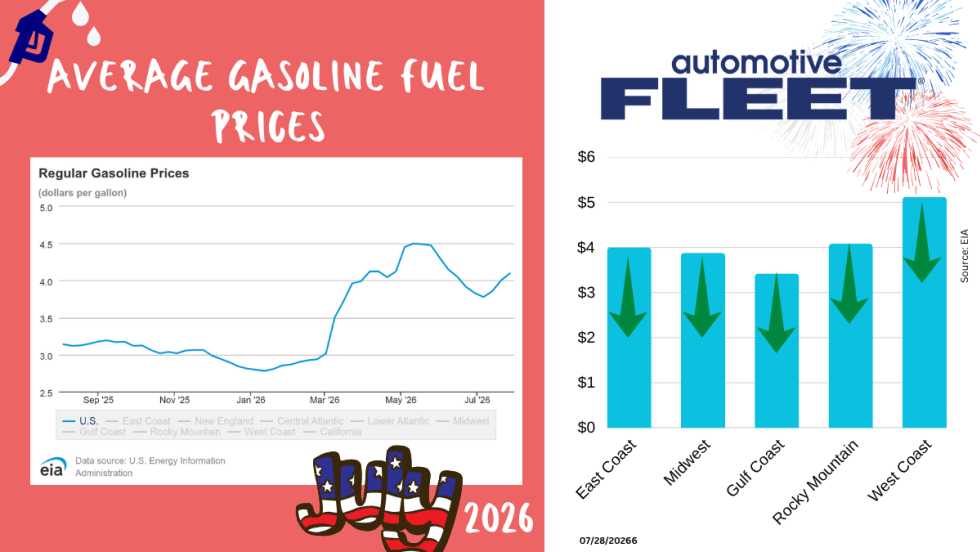
July Fuel Update: Prices Keep Rising in Light of More Conflict
Gas prices continue to rise as more and more conflicts do, too.

Bob Adamsky on Fuel Volatility: "Don't Panic, Have a Plan."
When it comes to up and down fuel prices, Adamsky has a message for fleets: “Don’t panic.”

How Fleets Can Gain Control of Non-Fuel Spend
Fuel often gets the spotlight, but non-fuel expenses can have a major impact on fleet costs. Ramel Lindsay of U.S. Bank Voyager discusses how fleets can gain better visibility and control over these often-overlooked expenditures.

Fuel is Just the Start: How Middle East Tensions are Driving Up Fleet Maintenance Costs
The Middle East conflict is doing more than pushing up fuel prices. It’s also raising the cost of key maintenance products your fleet depends on, from motor oil to tires to windshield wipers. Here’s what you need to know about this budget-busting situation.
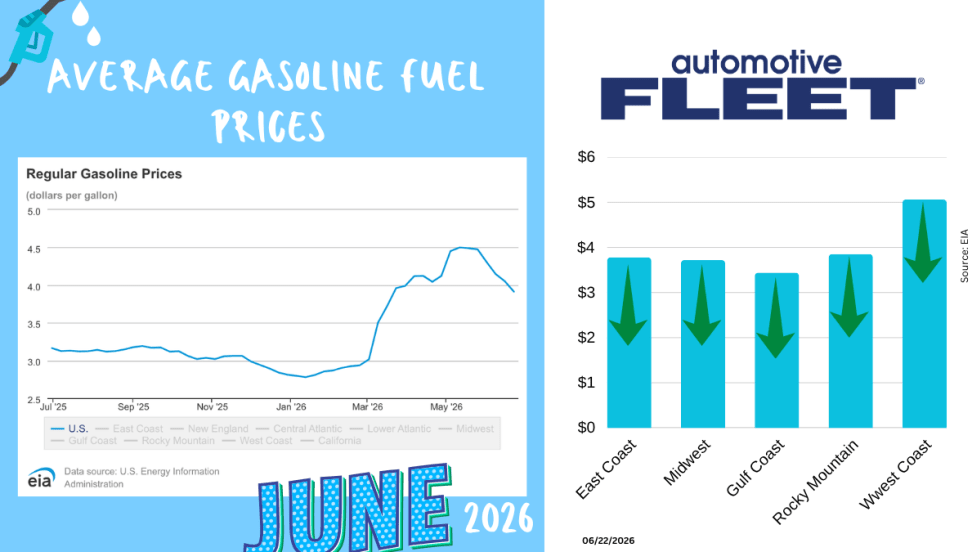
June Fuel Update: Prices Fall Below $4
Drivers are finally getting some relief at the pump. The national average gas price has dropped below $4 a gallon for the first time in months, with prices falling in 47 states as oil markets react to developments in U.S.-Iran negotiations.