




Waymo Sues Uber, Otto, Alleging Stolen Autonomous Technology
Alphabet’s self-driving car unit Waymo is suing Uber and its Otto autonomous trucking subsidiary for stealing the company’s autonomous vehicle sensor technology. Alphabet is also the parent company of Google.
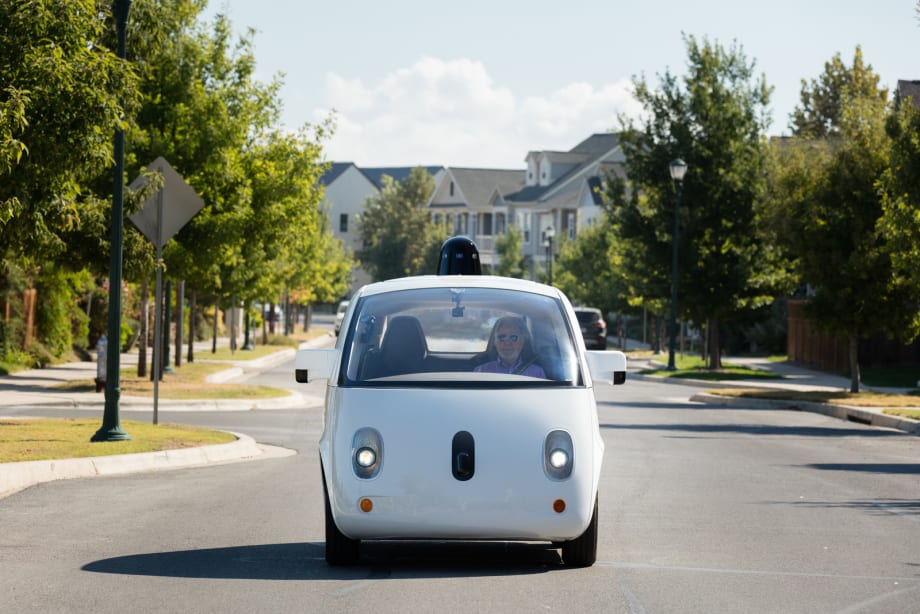
Waymo self-driving car prototype. Photo via Waymo.com
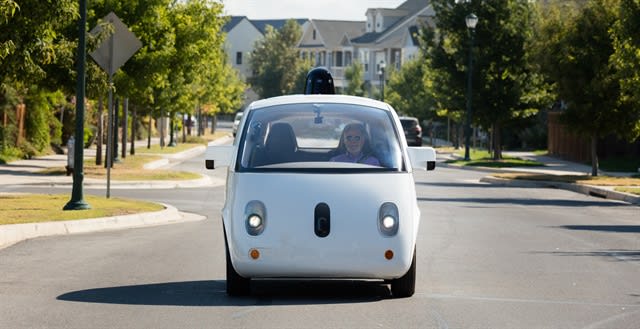
Waymo self-driving car prototype. Photo via Waymo.com
Alphabet’s self-driving car unit Waymo is suing Uber and its Otto autonomous trucking subsidiary for stealing the company’s autonomous vehicle sensor technology. Alphabet is also the parent company of Google.
In court documents, Waymo accuses Otto and Uber of taking the company’s intellectual property in order to avoid the risk, time, and expense of independently developing the technology on its own.
Waymo’s case centers around its custom-built Lidar (light detection and ranging) sensor technology. The sensors allow a vehicle to see a 3D picture of the world around it to detect and measure the shape, speed, and movement of obstacles. Not simply accusing Uber and Otto of copying the technology, Waymo’s was given a tip that Otto’s LIDAR design bore a striking resemblance to its own.
In its own investigation, Waymo found evidence that former employee and current Otto co-founder Anthony Levandowski downloaded over 14,000 confidential and proprietary design files for Waymo’s hardware systems, according to a blog post from the company. These files included blueprints, design files and testing documentation totaling 9.7 GB of data.
Waymo accuses Levandowski of using specialized software installed onto his company laptop to achieve this. The company said that after he transferred the information to an external hard drive, he wiped and reformatted his laptop in an attempt to erase evidence.
“We believe these actions were part of a concerted plan to steal Waymo’s trade secrets and intellectual property,” the company stated in its blog post.
Waymo said that it has devoted seven years to research and development for the technology, building up more than 1.5 million miles of self-driving experience on public roads and even more than that in simulations.
More Global Fleet
GeoFencing Adds to Your Truck Security Arsenal
Geofencing is a familiar fleet tool today, but its early adoption marked a major shift in vehicle tracking, route monitoring, and the debate over employee privacy.
Read More →
Holman Takes Full Ownership of ARIZA in Mexico
Holman is bringing its Mexican fleet management operation fully under its own brand after more than 30 years as a joint venture. The change gives multinational fleet customers a single Holman operation across the U.S., Canada, and Mexico.
Read More →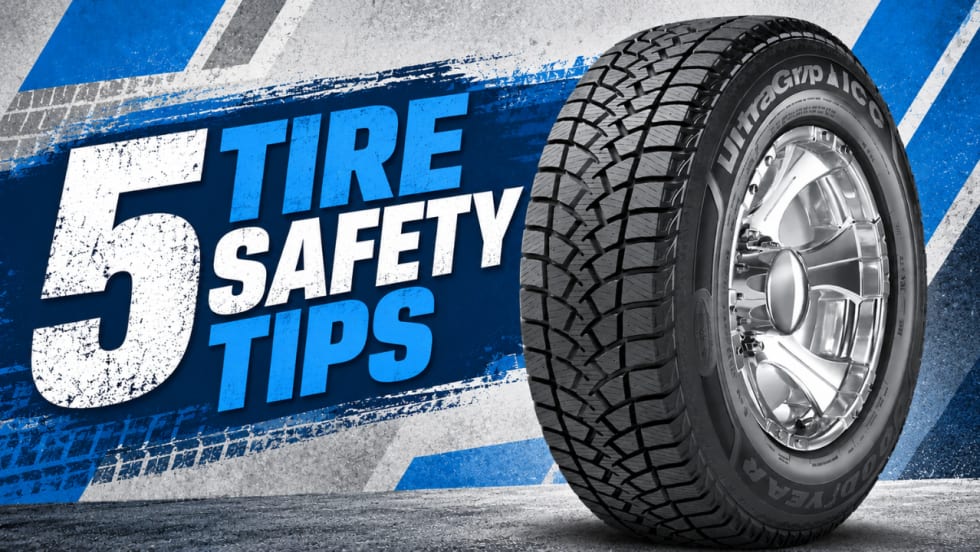
5 Tire Maintenance Tips to Help Prevent Work Truck Downtime
Regular tire checks can do more than extend tread life. These five maintenance practices can help work truck fleets catch problems early, reduce costs, and prevent downtime.
Read More →

Proven Ways to Reduce Work Truck Downtime
The age-old problem of downtime will always be a reality, but with new strategies at hand, fleets have more ways to keep trucks on the road longer.
Read More →


Cameras, Safety and Insurance: From Reactive Claims to Real-Time Prevention (Part 2 of 2)
Part Two: Commercial auto remains one of the most challenging and costly lines of coverage for fleet operators and insurers alike. Continue learning more about how to effectively address these issues from Onur Aksan, Enterprise Business Development Executive, Geotab
Read More →
Cameras, Safety and Insurance: From Reactive Claims to Real-time Prevention
Commercial auto remains one of the most challenging and costly lines of coverage for fleet operators and insurers alike. Learn more about how to effectively address these issues from Onur Aksan, Enterprise Business Development Executive, Geotab.
Read More →
Fleet Costs Are Rising: Here’s How Leaders Are Responding
Fleet leaders are under pressure to reduce costs, adapt to economic uncertainty, and make smarter decisions. See how peers across North America are responding with real data, proven strategies, and forward-looking insights. Download the 2026 Market Pulse Report to benchmark your strategy and uncover where you can gain an edge.
Read More →
Enterprise Fleet Management Surpasses 900,000 Vehicles in U.S. & Canada
Enterprise Mobility connects with mobility solutions around the globe
Read More →