




Waste Management's Calif. CNG Trucks Cut Emissions By One Fourth
Waste Management has added six compressed natural gas refuse trucks to its fleet in Chico, Calif., as the refuse hauler continued to aggressively pursue its sustainability goals.
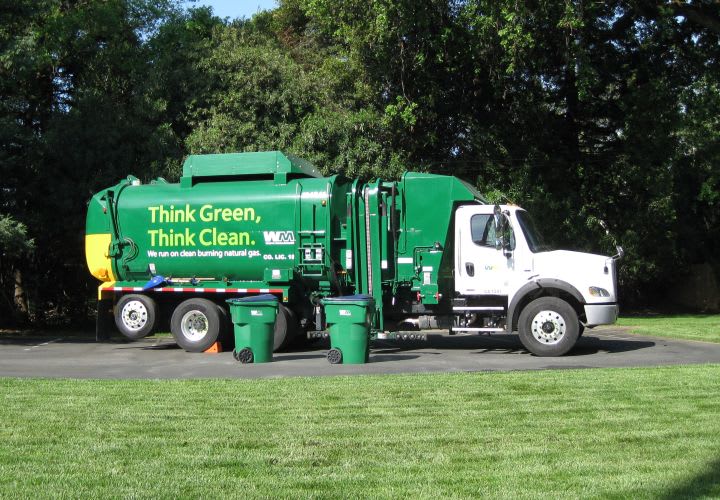
Photo courtesy of Waste Management.
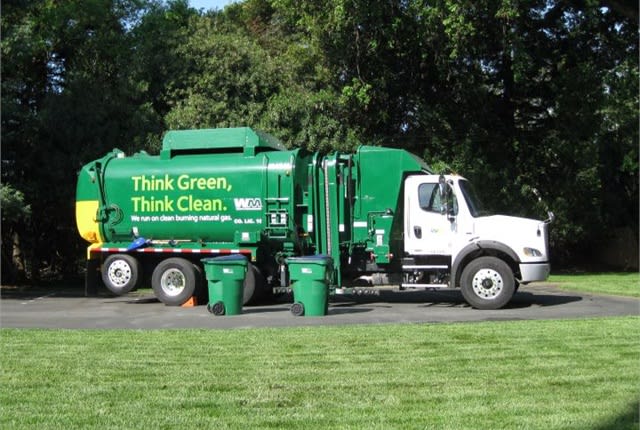
Photo courtesy of Waste Management.
Waste Management has added six compressed natural gas refuse trucks to its fleet in Chico, Calif., as the refuse hauler continued to aggressively pursue its sustainability goals.
Earlier this month, Waste Management of North Valley rolled out the six medium-duty, dedicated CNG trucks that reduce particulate matter by 90 percent and greenhouse gas emissions by 25 percent, according to the company.
"We see an average annual reduction of 22 metric tons of greenhouse gases and 8,000 gallons of diesel with the CNG trucks," said Ryan West, district manager. "We are proud to be the first and only waste and recycling collection company in the area to operate the CNG trucks, which helps keep the air in our community clean."
Waste Management's Chico fleet is made up of Class 7 trucks with ASL refuse bodies and powered by Cummins ISLG CNG engines that generate 320 horsepower. The hauler operates 14 trucks, including the six CNG trucks.
The new trucks will use the PG&E fueling station in Chico.
The company has also implemented route optimization software that reduces driving time by several thousand hours each year. In addition, the truck engines are programmed to shut down automatically after idling for five minutes to save fuel and further reduce emissions.
The nation's largest refuse hauler began adding natural gas vehicles in the early 1990s and in four years ending in 2011 increased fuel efficiency and reduced emissions by 20 percent.
More Green Fleet
New Propane Autogas Program Offers Fleet Compensation
Qualified commercial fleets can receive $7,500 per eligible propane autogas vehicle and up to $10,000 for new refueling site prep. Learn how the program works and see whether your fleet qualifies.
Read More →
EV Charging Use Is Outpacing Infrastructure Growth
ChargePoint’s 2026 Charging Forward Report points to rising charger use, higher-powered charging, commercial vehicle electrification, and energy-management technology. Here’s what fleets should know.
Read More →
Merchants Fleet Reports 290M EV Miles as Fleets Navigate Changing Electrification Market
From millions in operating savings to hundreds of millions of EV miles, Merchants Fleet’s latest report reveals what’s working and what’s changing in fleet electrification.
Read More →
The EV Breakdown Nobody's Talking About: Why Most Electric Vehicle Roadside Calls Aren't Mechanical Failures
Here's why EV breakdowns are widely misunderstood.
Read More →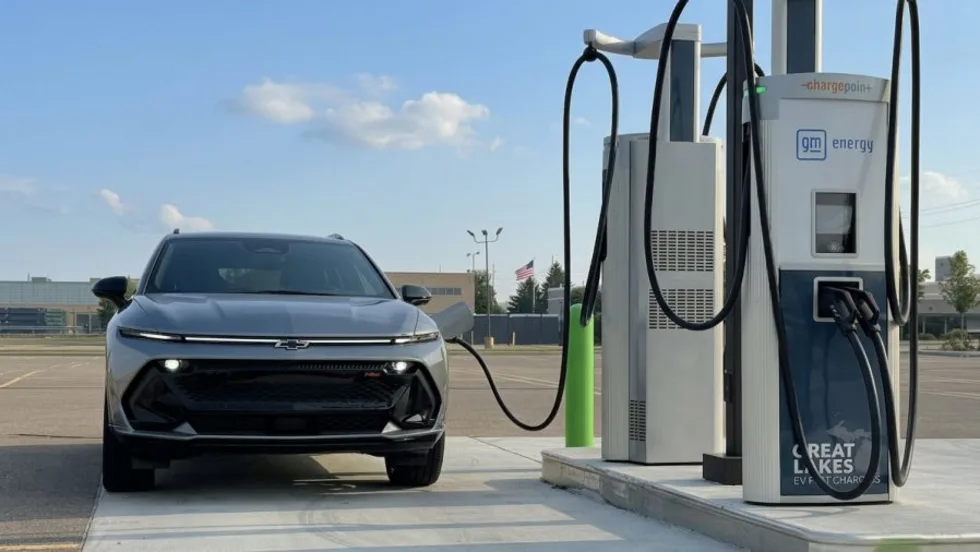
ChargePoint Now Available in Energy Pass
ChargePoint and additional planned charging network integrations were added to GM's Energy Pass.
Read More →

First Look: Slate Auto's Electric Fleet Pickup
Could an affordable, modular EV pickup make electrification more practical for fleets?
Read More →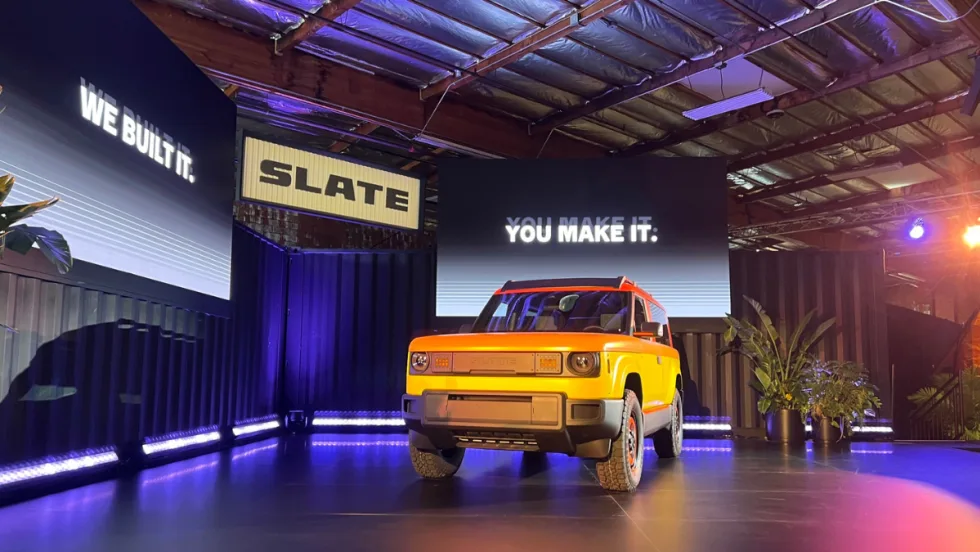
Slate Debuts Colorful, Unique EV Models
A recent media and client event, studded with electric vehicles dressed up on platforms, planted a new position for the manufacturer in the wider EV market. Fleets will find cost-saving advantages.
Read More →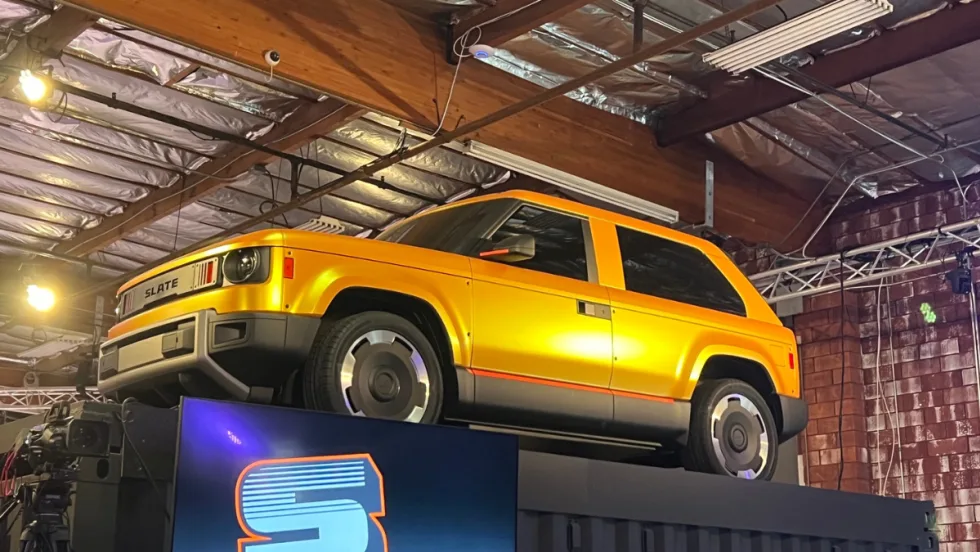
Slate Electric SUV, Pickup Switchable Model Aims For Light-Duty Fleets
Everything about this EV is counterintuitive and understated, making it stand out from the crowd.
Read More →
Inspiration Mobility Acquires Key Electrada Assets
Inspiration Mobility Group has acquired select assets of Electrada, adding the fleet electrification provider's team, technology, and charging infrastructure development capabilities to its energy management business.
Read More →