




Washington State Adopts California's Stringent Emission Rules
SEATTLE, WA – Washington state officials have approved legislation adopting California's tougher emission standards, including future caps on greenhouse gas emissions, according to Waste News magazine.
SEATTLE, WA – Washington state officials have approved legislation adopting California’s tougher emission standards, including future caps on greenhouse gas emissions, according to Waste News magazine. Washington Gov. Christine Gregoire signed the legislation May 6, saying it would produce cleaner air and reduce gasoline use by requiring that cars and light trucks sold in the state in the future meet stricter auto exhaust standards. "Motor vehicles are the largest source of air pollution in our state," Gregoire said. "With this legislation, we are taking a significant step in reducing pollution, and we will gain the added benefit of promoting fuel-efficient vehicles that save money for consumers at the gas pump." California’s current low-emission vehicle standards require that new cars sold in the state reduce emissions of nitrogen oxides and hydrocarbons beyond federal standards. Eight other states have adopted the California standards, and the state of Oregon is discussing similar standards. California plans to phase-in caps on greenhouse gas emissions beginning with the 2009-model year. Greenhouse gas emissions would be 30 percent less by 2016, according to California officials. Cars sold in Washington would not have to comply with California standards until at least the 2009-model year. The actual timing depends on when Oregon adopts the standards. Once the new standards are in place, Washington plans to eliminate annual emission testing in five counties that currently require it. The National Environmental Trust, an environmental advocacy group, said Washington State’s actions highlight a trend among governments to address global warming issues. The Alliance of Automobile Manufacturers, which represents nine automobile manufacturers, is legally challenging California’s effort to mandate greenhouse gas reductions. The association has argued that improving fuel economy is the only way to reduce carbon dioxide emissions, and that only the federal government has the authority to set fuel-efficiency standards. It also has argued that California’s new greenhouse gas standards could add thousands of dollars in cost to cars without any health benefits. Washington’s Gov. Gregoire said fuel economy savings would more than offset the possible increased costs for purchasing cleaner cars. The legislation in Washington State discourages residents from buying cars out-of-state by requiring that an out-of-state vehicle must be driven 7,500 miles prior to being registered in Washington.
More Operations
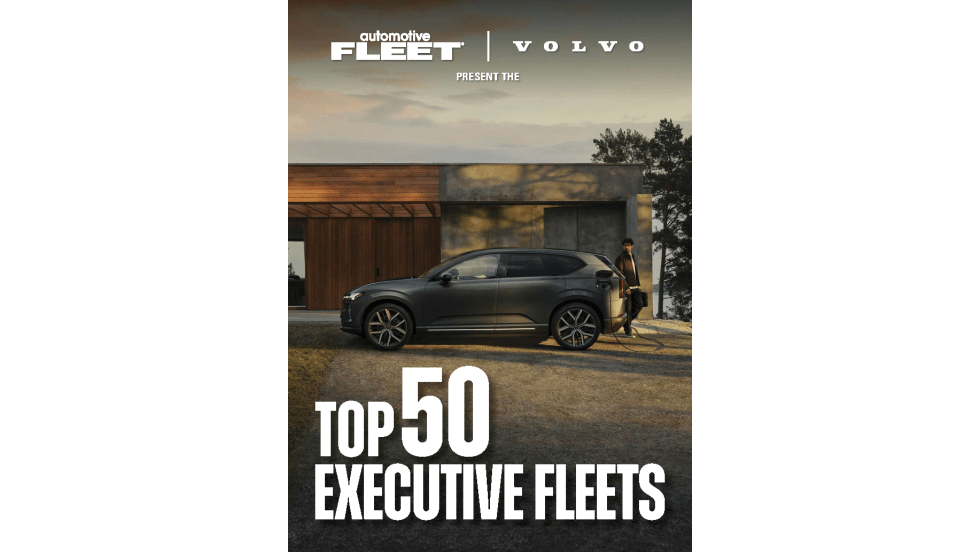
Top 50 Executive Fleets
It is that time of year again! Time for the 2026 list of the Top 50 Executive Fleets, presented by Automotive Fleet and Volvo as part of its annual Fleet 500. Download now to see this year's list of companies!
Read More →
Gary Van Orden Retires After Nearly Four Decades in Commercial Fleet
From answering customer calls at Ford Motor Company to leading fleet sales across multiple OEMs and a fleet management company, Gary Van Orden's career reflects nearly four decades of leadership in commercial fleet.
Read More →
How Stellantis Plans to Get Ahead of Fleet Downtime
Vehicle acquisition may grab the headlines, but fleet uptime increasingly determines operating success. Darren Bradshaw of Mopar North America gives the details.
Read More →
Hyundai Releases 2027 Commercial Program Incentives
The 2027 Model Year "Fleet Street Incentives" are available to commercial and government fleets.
Read More →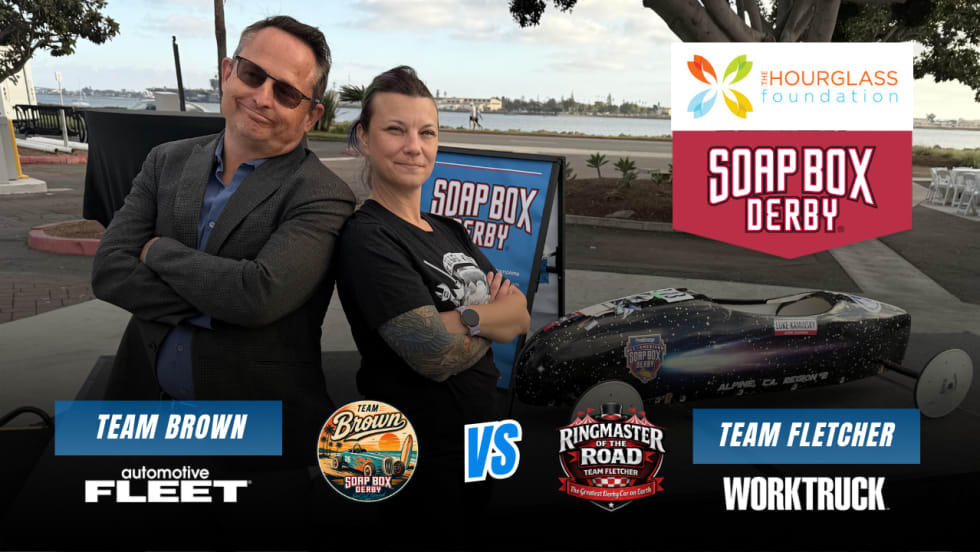
It's All Downhill from Here! Fleet Industry Raises $22,000 for Skilled Trades Scholarships
Work Truck’s Lauren Fletcher and Automotive Fleet’s Chris Brown turned a friendly racing rivalry into $22,000 for automotive technology and skilled trades scholarships.
Read More →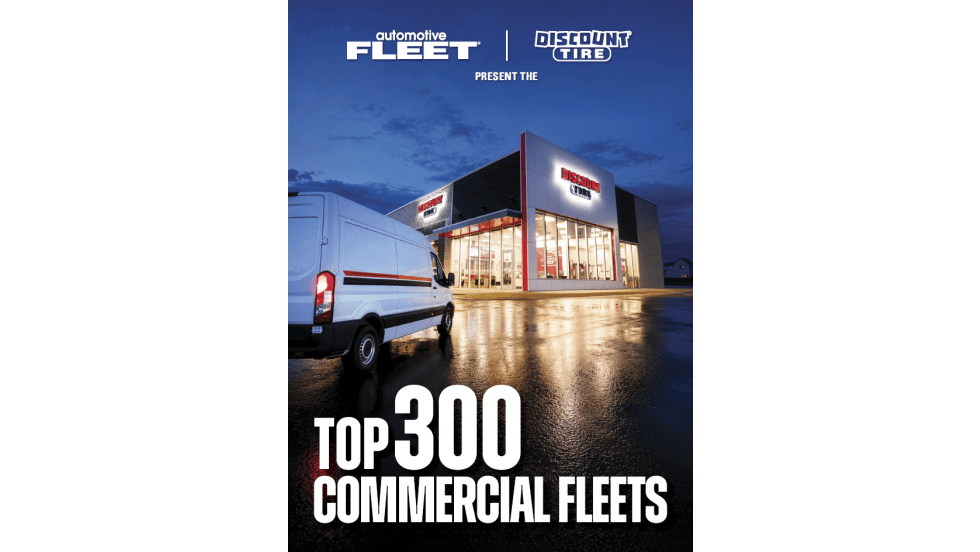
The Top 300 Commercial Fleets
The Top 300 Commercial Fleets: See the List
Read More →
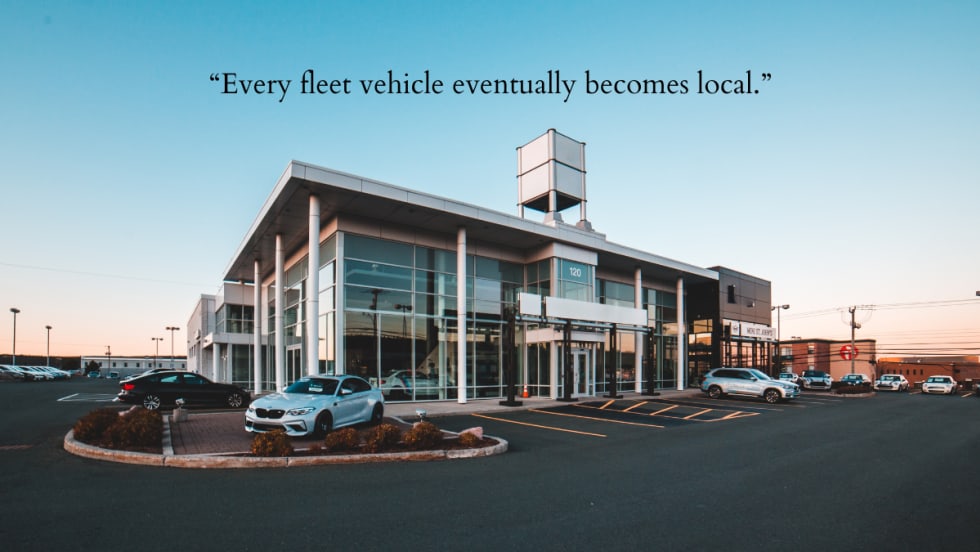
Your Local Dealer Knows More Than You Think
Your local dealer can provide an information advantage that extends well beyond courtesy deliveries.
Read More →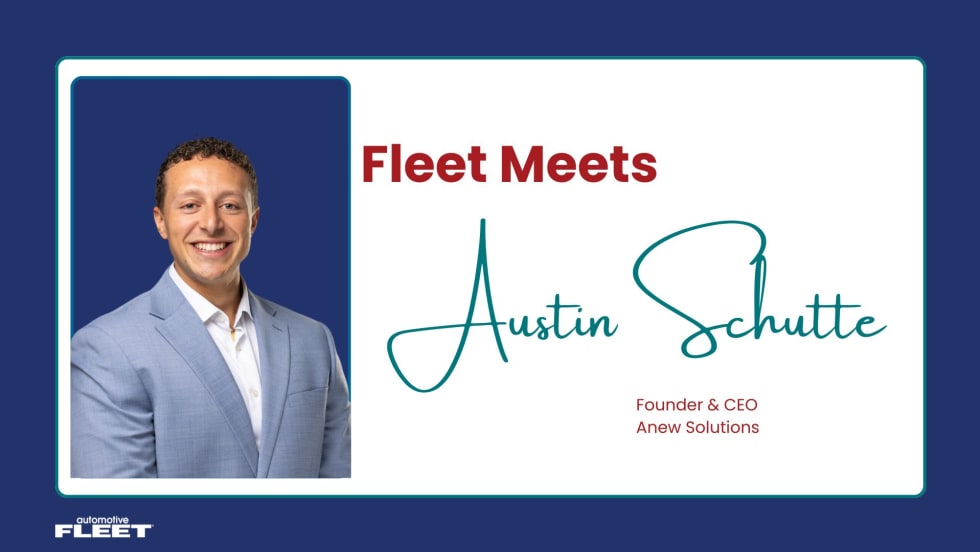
Fleet Meets: Austin Schutte
Here are some industry insights, personal touches, and words of advice from the CEO and Founder of Anew Solutions.
Read More →
Soap Box Derby Challenge: What’s Powering Team Brown
The car is coming together, the students are solving real build problems, and the fleet industry is helping push Team Brown toward the starting line.
Read More →