





Related: VW May Cease Sales of Diesel Models
VW to Start Diesel Buybacks, Fleets Eligible
Volkswagen will begin buying back its 2.0L diesel models following approval Tuesday of a $14.7 billion settlement by a federal judge and expects to complete the process by the middle of November.
October 25, 2016
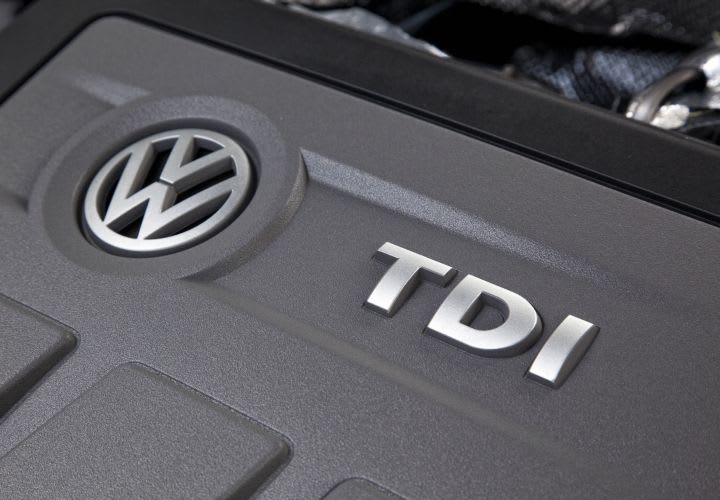
Photo courtesy of Volkswagen.
2 min to read
Photo courtesy of Volkswagen.
Volkswagen will begin buying back its 2.0L diesel models following approval Tuesday of a $14.7 billion settlement by a federal judge and expects to complete the process by the middle of November, a spokeswoman told Automotive Fleet.com.
To help manage the process, the automaker will hire 900 people to handle the buybacks, including one at each of its U.S. dealerships, said spokeswoman Jeannine Ginivan.
Fleet management companies and commercial fleets holding title to a diesel-powered vehicle purchased before Sept. 18, 2015 are eligible for the program. So far, more than 340,000 owners have registered for the program.
Under the terms of the settlement, Volkswagen has agreed to spend $10.033 billion on the buybacks as owner compensation, as well as $4.7 billion on programs that offset emissions, increase zero-emission vehicle infrastructure, and boost ride-sharing, according to documents filed in federal court. U.S. District Judge Charles Breyer approved terms of the settlement on Oct. 25.
"Final approval of the 2.0L TDI settlement is an important milestone in our journey to making things right in the U.S., and we appreciate the efforts of all parties involved in this process," said Hinrich Woebcken, president and CEO of Volkswagen Group of America, Inc. "Volkswagen is committed to ensuring that the program is now carried out as seamlessly as possible for our affected customers and has devoted significant resources and personnel to making their experience a positive one."
The settlement covers about 475,000 Volkswagen AG vehicles sold in the U.S. with a 2.0L four-cylinder TDI, including 460,000 VW vehicles and 15,000 Audi vehicles. The vehicles were equipped with "defeat device" software that undermined emissions testing.
Volkswagen may be able to repair affected vehicles, but it would still need to gain approval from regulators on the fix.
The company has also agreed to compensate 652 U.S. dealers to the tune of $1.21 billion and $603 million to settle state consumer protection claims in 44 states.
Observers said the settlement will help the embattled company move forward.
“This is a massive step forward in Volkswagen’s efforts to put its diesel emissions issue to bed," said Karl Brauer, senior analyst for Kelley Blue Book. "The combination of customer repair/buyback options, plus the additional monetary compensation these owners will receive, should cover any losses TDI owners would have suffered from the cars’ drop in market value."
Volkswagen must still reach a settlement for about 85,000 vehicles powered by a 3.0L six-cylinder.
To read the full consent decree click here. To read the FTC order, click here.
More Operations

90% Use Telematics. Are Fleets Getting Safer? | AF News Recap
This week, we're breaking down which industries have the highest rates, how Jamie McKay manages 2,400 vehicles, what's happening with the 2027 fleet awards, and why software-defined vehicles could introduce new costs.
Read More →
What's Best Handled by an FMC, and What's Better Done Directly?
Fleet managers continue to rely on FMCs for essential services but are taking a closer look at where working directly with suppliers can improve efficiency and responsiveness.
Read More →
Fleet Meets: Erin Gilchrist
Meet Erin Gilchrist, the inaugural Mike Antich Spirit of Fleet Award winner, as she shares insights on leadership, mentorship, the power of industry connections, and why people remain at the heart of fleet's future.
Read More →

How 2026 Fleet Visionary Jamie McKay Manages 2,400 Vehicles Across 37 States
How do you keep 2,400 vehicles running across 37 states? Fleet Visionary Award winner Jamie McKay shares how collaboration, flexibility, and a few simple strategies help her tackle fleet management challenges at Aptive Pest Control.
Read More →
Managing Fleet Costs in an Era of Permanent Volatility
Fleet operating costs have risen more than 20% since 2020, raising a key question: When does extending a vehicle's service life stop making financial sense?
Read More →
The Next Evolution of Fleet Management: Autonomous Operations
This opening keynote session at the Fleet Forward Conference highlights the future of autonomous driving for fleets.
Read More →
How to Reduce the Total Cost of Risk From Catalytic Converter Theft
A stolen catalytic converter can cost fleets far more in downtime and lost productivity than in repairs. A total-cost-of-risk approach can help fleet managers quantify their exposure and prioritize theft prevention.
Read More →
Personal-Use Charges Rise as Vehicle Values Fall | AF News Recap
Personal-use charges are climbing, wholesale used-vehicle values are declining, and commercial fleet sales growth is slowing. This week, we're breaking down the latest fleet data, plus how Element Fleet Management is helping Waymo prepare for its first Canadian robotaxi market.
Read More →
Here's When You Should Make an Exception to Fleet Policy
Fleet policies are designed to create consistency, but not every driver or situation fits neatly within standard rules.
Read More →
AI-Native or AI-Acquired: What Should Fleet Managers Look for in an AI Platform?
Six questions can help fleet managers look beyond AI marketing claims to evaluate integration, data access, and real-world operational performance.
Read More →