




VW Shows Electric Microbus Van Concept
Volkswagen is looking to the past to help define its future with an electrified, autonomous update of its Microbus camper van that left the U.S. automotive landscape in the late 1960s as a result of the "chicken tax" tariff.
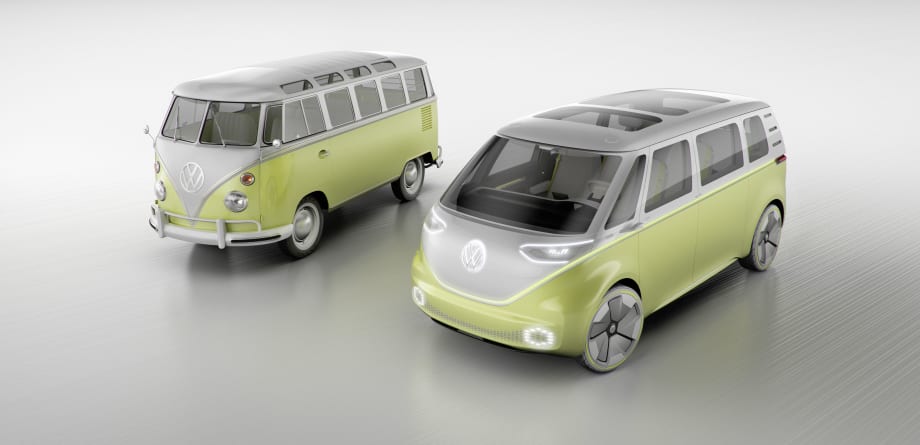
Photo courtesy of Volkswagen.
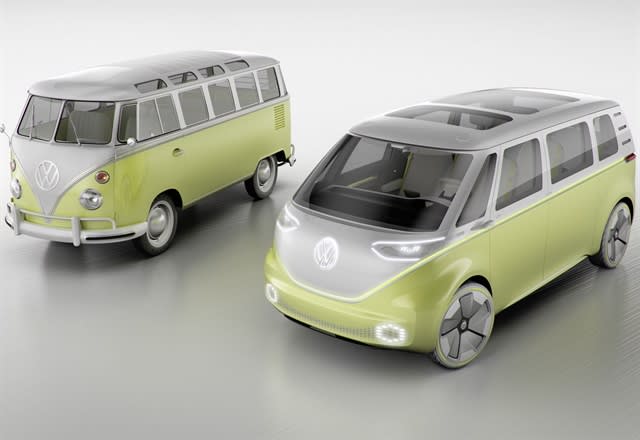
Photo courtesy of Volkswagen.
Volkswagen is looking to the past to help define its future with an electrified, autonomous update of its Microbus camper van that left the U.S. automotive landscape in the late 1960s as a result of the "chicken tax" tariff.
The automaker brought its I.D. Buzz concept vehicle to the North American International Auto Show in Detroit, and showed it off side-by-side with its classic relative. As part of its move away from diesel power, Volkswagen has set its sights on electrification. The automaker hopes to sell 1 million battery-electric vehicles by 2025.
The I.D. Buzz offers a range of 270 miles with seating for eight and two luggage compartments. If the vehicle is produced, it's overall length of 194.6 inches would put it in the mid-size van category that's now only occupied by the Mercedes-Benz Metris that measures 202.4 inches in length. The longest Ford Transit Connect is 189.7 inches.
Volkswagen describes the I.D. Buzz as "the world's first autonomous multi-purpse vehicle" that could make it into production by 2025. A slight push on the steering wheel makes it retract and merge into the instrument panel, switching the I.D. Buzz from manual control to the fully autonomous "I.D. Pilot" mode.
The van's touch-sensitive steering wheel includes capacitive surfaces, and the interior includes an augmented reality head-up display and I.D. Box center console with a tablet that's usable outside the vehicle.
More Green Fleet
New Propane Autogas Program Offers Fleet Compensation
Qualified commercial fleets can receive $7,500 per eligible propane autogas vehicle and up to $10,000 for new refueling site prep. Learn how the program works and see whether your fleet qualifies.
Read More →
EV Charging Use Is Outpacing Infrastructure Growth
ChargePoint’s 2026 Charging Forward Report points to rising charger use, higher-powered charging, commercial vehicle electrification, and energy-management technology. Here’s what fleets should know.
Read More →
Merchants Fleet Reports 290M EV Miles as Fleets Navigate Changing Electrification Market
From millions in operating savings to hundreds of millions of EV miles, Merchants Fleet’s latest report reveals what’s working and what’s changing in fleet electrification.
Read More →
The EV Breakdown Nobody's Talking About: Why Most Electric Vehicle Roadside Calls Aren't Mechanical Failures
Here's why EV breakdowns are widely misunderstood.
Read More →
ChargePoint Now Available in Energy Pass
ChargePoint and additional planned charging network integrations were added to GM's Energy Pass.
Read More →
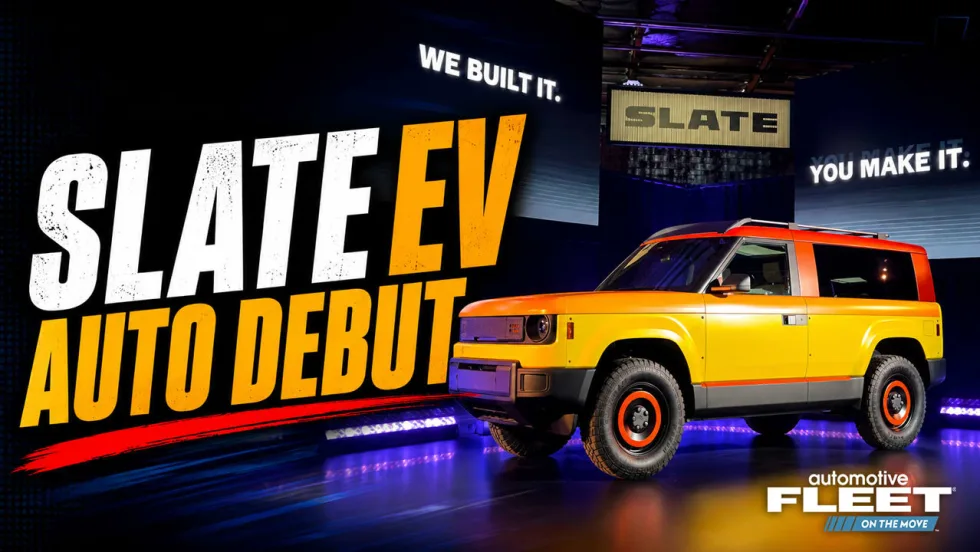
First Look: Slate Auto's Electric Fleet Pickup
Could an affordable, modular EV pickup make electrification more practical for fleets?
Read More →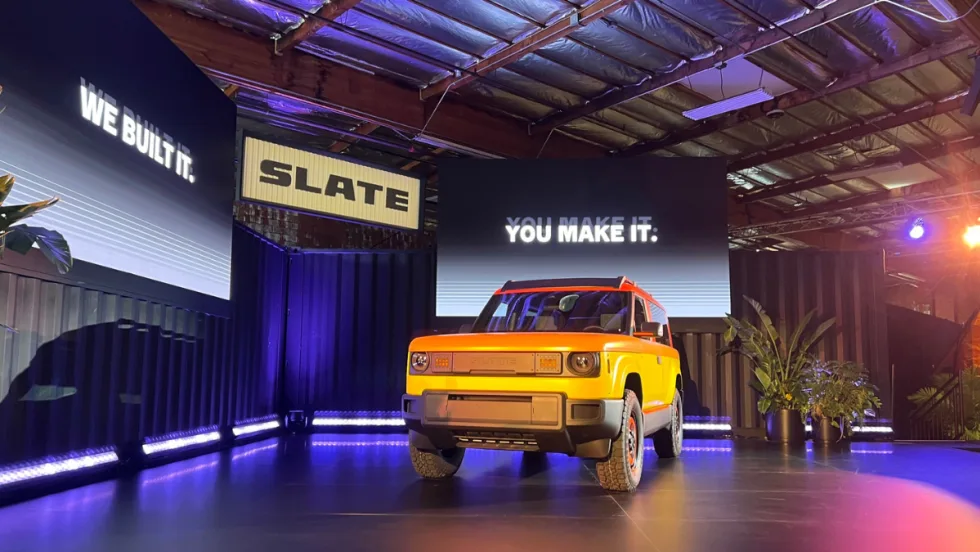
Slate Debuts Colorful, Unique EV Models
A recent media and client event, studded with electric vehicles dressed up on platforms, planted a new position for the manufacturer in the wider EV market. Fleets will find cost-saving advantages.
Read More →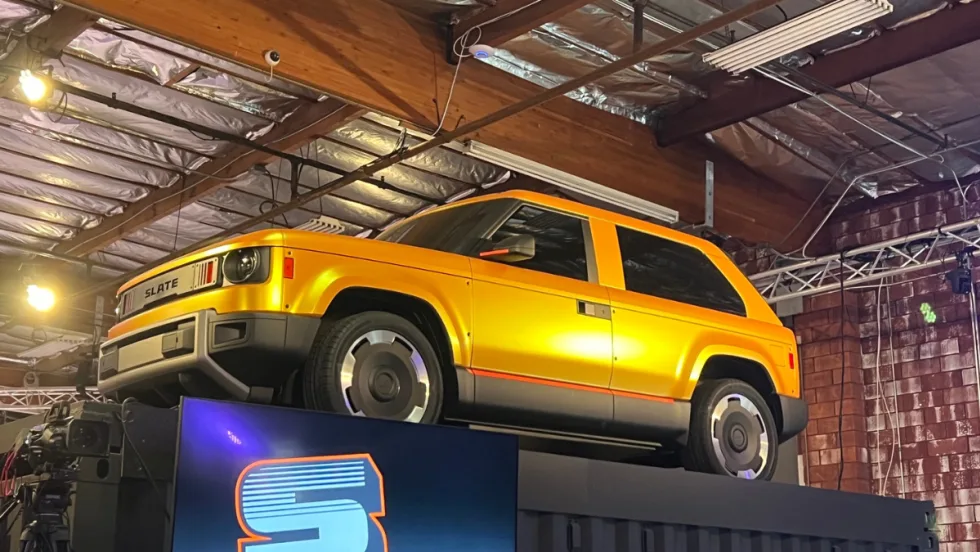
Slate Electric SUV, Pickup Switchable Model Aims For Light-Duty Fleets
Everything about this EV is counterintuitive and understated, making it stand out from the crowd.
Read More →
Inspiration Mobility Acquires Key Electrada Assets
Inspiration Mobility Group has acquired select assets of Electrada, adding the fleet electrification provider's team, technology, and charging infrastructure development capabilities to its energy management business.
Read More →