




VW, Audi Diesels Circumvented Clean-Air Regs
Audi and Volkswagen four-cylinder diesels used software to circumvent federal emissions standards, the U.S. Environmental Protection Agency has alleged.
by Staff
September 18, 2015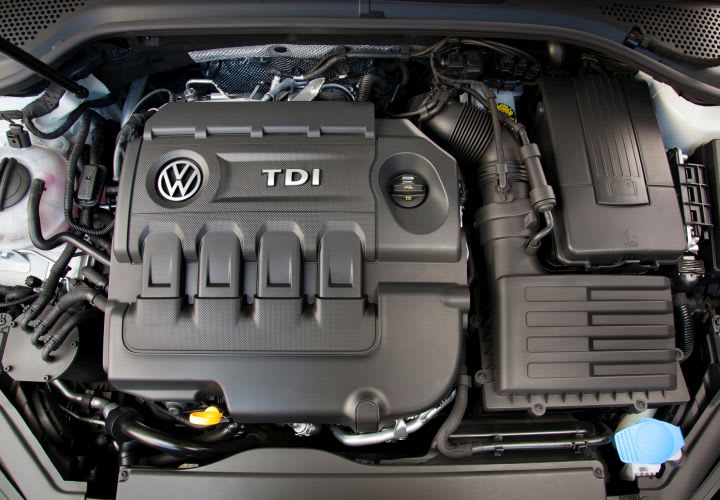
Photo of 2015 Golf TDI engine courtesy of VW.
1 min to read
Photo of 2015 Golf TDI engine courtesy of VW.
Audi and Volkswagen four-cylinder diesels used software to circumvent federal emissions standards, the U.S. Environmental Protection Agency has alleged.
The cars from the 2009 to 2015 model years included a "defeat device" — a sophisticated software algorithm that detects when the car is undergoing official emissions testing and turns on full emissions controls during that test, according to an EPA violation notice issued Sept. 18. This would violate the Clean Air Act.
The allegations cover about 482,000 models, including the Jetta TDI, Beetle TDI, Golf TDI, and Audi A3 TDI. The Passat TDI is affected from the 2014-MY and 2015-MY.
“Using a defeat device in cars to evade clean air standards is illegal and a threat to public health,” said Cynthia Giles, assistant administrator for the EPA's Office of Enforcement and Compliance Assurance.
In a separate action, the California Clean Air Resources Board has issued an In-Use Compliance letter. CARB has initiated its own investigation in addition to the EPA probe.
"Our goal now is to ensure that the affected cars are brought into compliance, to dig more deeply into the extent and implications of Volkswagen's efforts to cheat on clean air rules, and to take appropriate further action," said Richard Corey, CARB executive officer.
By using the defeat device, the cars will emit nitrogen oxides (NOx) at up to 40 times the regulatory standard during normal operating conditions, according to the EPA.
Volkswagen must now offer a fix for affected models, which remain legal to drive and resell. Volkswagen had not commented publicly on Sept. 18.
EPA and CARB uncovered the defeat device software after independent analysis by researchers at West Virginia University, working with the International Council on Clean Transportation, a non-governmental organization, raised questions about emissions levels. The agencies began further investigations into the issue. In September, after EPA and CARB demanded an explanation for the identified emission problems, Volkswagen admitted that the cars contained defeat devices, according to EPA.
Read the EPA's full release here.
More Green Fleet
Sponsored•October 1, 2026
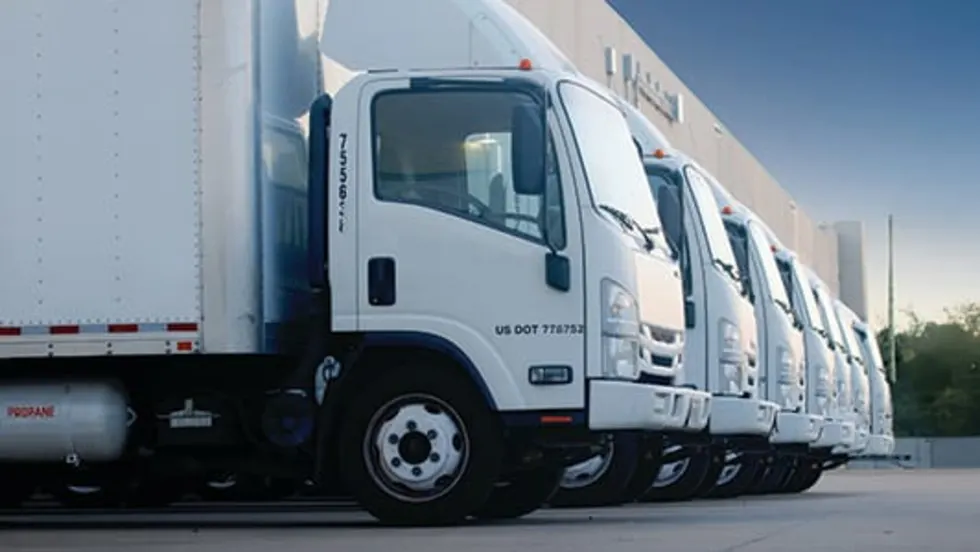
New Propane Autogas Program Offers Fleet Compensation
Qualified commercial fleets can receive $7,500 per eligible propane autogas vehicle and up to $10,000 for new refueling site prep. Learn how the program works and see whether your fleet qualifies.
Read More →
EV Charging Use Is Outpacing Infrastructure Growth
ChargePoint’s 2026 Charging Forward Report points to rising charger use, higher-powered charging, commercial vehicle electrification, and energy-management technology. Here’s what fleets should know.
Read More →
Merchants Fleet Reports 290M EV Miles as Fleets Navigate Changing Electrification Market
From millions in operating savings to hundreds of millions of EV miles, Merchants Fleet’s latest report reveals what’s working and what’s changing in fleet electrification.
Read More →
The EV Breakdown Nobody's Talking About: Why Most Electric Vehicle Roadside Calls Aren't Mechanical Failures
Here's why EV breakdowns are widely misunderstood.
Read More →
ChargePoint Now Available in Energy Pass
ChargePoint and additional planned charging network integrations were added to GM's Energy Pass.
Read More →

First Look: Slate Auto's Electric Fleet Pickup
Could an affordable, modular EV pickup make electrification more practical for fleets?
Read More →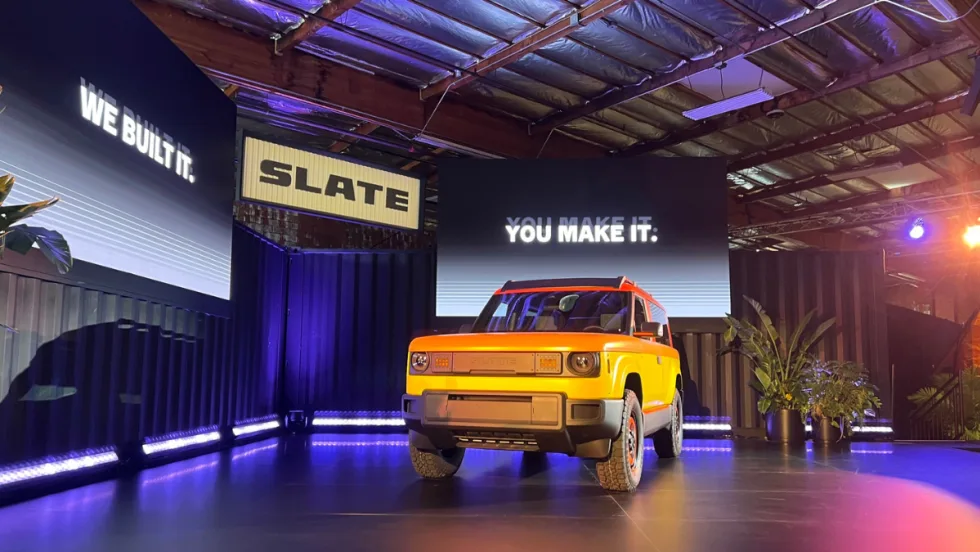
Slate Debuts Colorful, Unique EV Models
A recent media and client event, studded with electric vehicles dressed up on platforms, planted a new position for the manufacturer in the wider EV market. Fleets will find cost-saving advantages.
Read More →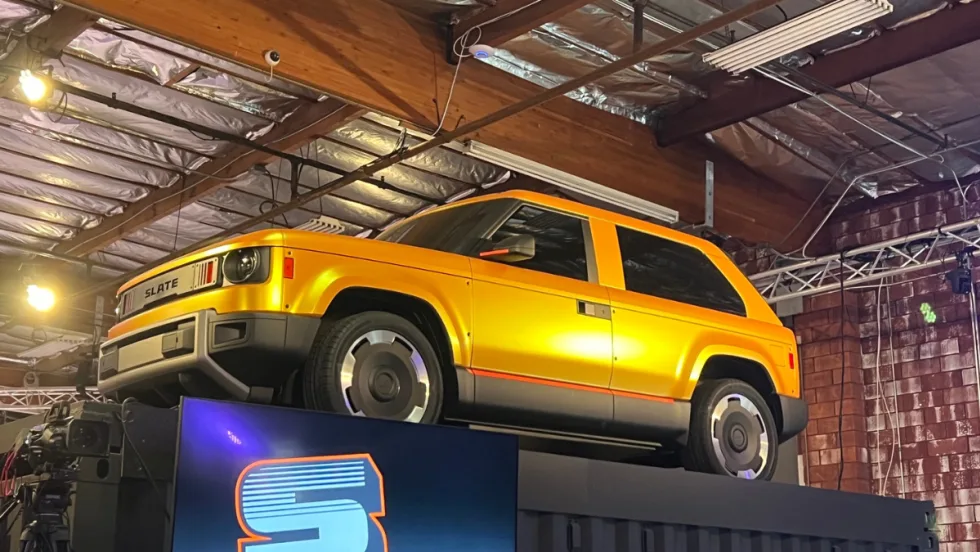
Slate Electric SUV, Pickup Switchable Model Aims For Light-Duty Fleets
Everything about this EV is counterintuitive and understated, making it stand out from the crowd.
Read More →
Inspiration Mobility Acquires Key Electrada Assets
Inspiration Mobility Group has acquired select assets of Electrada, adding the fleet electrification provider's team, technology, and charging infrastructure development capabilities to its energy management business.
Read More →