




Volvo Offers Remote Climate Control Feature on Select 2012-2013 Models
ROCKLEIGH, NJ – Volvo is introducing Engine Remote Start (ERS), which starts the engine remotely to heat or cool a vehicle's interior on a number of its MY-2012 and 2013 vehicles.
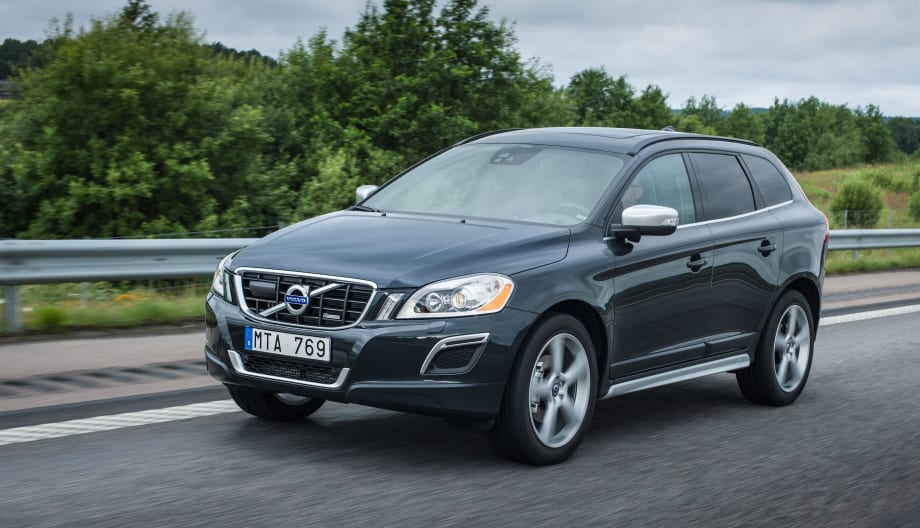
The 2013-MY XC60, one of the models available with this feature.
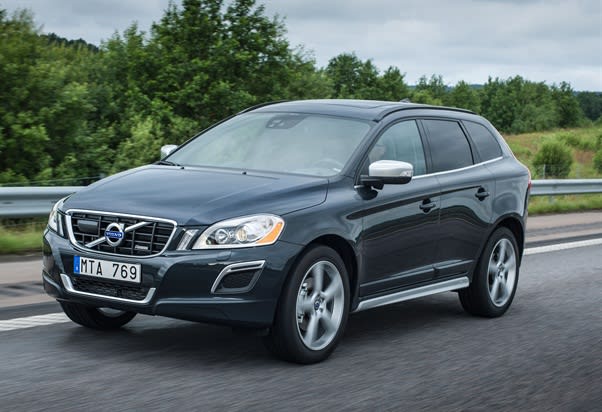
The 2013-MY XC60, one of the models available with this feature.
ROCKLEIGH, NJ – Volvo is introducing Engine Remote Start (ERS), which starts the engine remotely to heat or cool a vehicle's interior on a number of its MY-2012 and 2013 vehicles.
Users can activate this function via a keyfob and the vehicle’s interior temperature will return to the level a driver set when the vehicle was last parked. The vehicle’s doors will remain locked until the driver enters the car. Drivers with Volvo’s Personal Car Communicator (PCC) will see a visual confirmation on the keyfob itself when ERS is active.
Volvo built a number of safety functions into this new feature that are designed to prevent its accidental activation and keep users from leaving the engine on unintentionally. ERS will deactivate if the “Lock” button is pressed while the system is active; if the car is unlocked or any car door is open; if someone presses the accelerator or brake pedal; if someone changes the gear selector from the Park position; or if the fuel level is too low (less than 2.5 gallons). ERS also will only remain active for 15 minutes before automatically deactivating.
This feature is available on the following models:
ERS Availability | Model Year |
|---|---|
XC60 | MY 2012-13 |
XC70 | MY 2012-13 |
S60 T6 | MY 2012-13 |
S60 T5 | MY 2013 |
S80 | MY 2012-13 |
More Operations

Why Reactive Fleet Management Is Becoming Too Expensive to Sustain
Research highlights a growing need for proactive management strategies to address rising costs in fleet operations effectively.
Read More →
What Your Fleet KPIs Aren’t Telling You
Tracking fleet metrics is only useful when the data leads to better decisions. This guide helps fleet leaders assess cost, utilization, and downtime more accurately, identify performance gaps, and prioritize the actions that can improve operational results.
Read More →
Hidden in Plain Sight: Fleet Compliance Risks
Fleet compliance isn't just about having policies — it's about consistently enforcing them. This practical guide reveals six hidden compliance risks common in public sector and shared fleet operations and outlines proven strategies to improve visibility, accountability, and audit readiness
Read More →


Turning Fleet Payment Data into Executive Insights
Does data alone drive results in operations?
Read More →
Automotive Fleet Opens 2026 Personal Use Survey for Commercial Fleet Managers
Commercial and corporate fleet managers are invited to share how their organizations handle company vehicle personal-use policies, charges, and driver eligibility.
Read More →
Gary Van Orden Retires After Nearly Four Decades in Commercial Fleet
From answering customer calls at Ford Motor Company to leading fleet sales across multiple OEMs and a fleet management company, Gary Van Orden's career reflects nearly four decades of leadership in commercial fleet.
Read More →
How Stellantis Plans to Get Ahead of Fleet Downtime
Vehicle acquisition may grab the headlines, but fleet uptime increasingly determines operating success. Darren Bradshaw of Mopar North America gives the details.
Read More →
Hyundai Releases 2027 Commercial Program Incentives
The 2027 Model Year "Fleet Street Incentives" are available to commercial and government fleets.
Read More →
It's All Downhill from Here! Fleet Industry Raises $22,000 for Skilled Trades Scholarships
Work Truck’s Lauren Fletcher and Automotive Fleet’s Chris Brown turned a friendly racing rivalry into $22,000 for automotive technology and skilled trades scholarships.
Read More →
The Top 300 Commercial Fleets
The Top 300 Commercial Fleets: See the List
Read More →