





Related: 2020 Volvo XC90 & XC60 Achieve IIHS Top Safety Pick
Volvo Introduces Advanced Air Clean Technology
Volvo has introduced new Advanced Air Cleaner technology in its cars which cleans out fine particulate matters from the cabin and helps generate clean and healthy air inside vehicles.
September 15, 2020

Photo: Volvo
1 min to read
Volvo has introduced new Advanced Air Cleaner technology in its cars which cleans out fine particulate matters from the cabin and helps generate clean and healthy air inside vehicles.
The company’s new Advanced Air Cleaner technology comes with a sensor that measures PM 2.5 levels inside the cabin, according to the automaker. This technology is available on Volvo models based on the Scalable Product Architecture (SPA), including the V90, V90 Cross Country, XC90, and all 60 Series Volvo models. Thanks to a synthetic fiber-based filter and ionization, up to 95% of all PM 2.5 particles are kept out of the cabin.
This optimizes air quality inside the car, limiting the adverse health effects that are associated with air pollution and fine particulates.
Indicating the amount of fine particulate matter in the air, PM 2.5 is a widely-used measure for air quality, according to Volvo. Globally, many urban areas suffer from PM 2.5 values that exceed recommended levels by the World Health Organization, underlining the need to minimize their impact.
Drivers of relevant Volvo models can also use the Volvo On Call smartphone app (where available) to easily schedule an extra cleaning of the cabin air ahead of their journey. The app then tells drivers about the actual PM 2.5 levels inside the cabin after cleaning.
More Operations
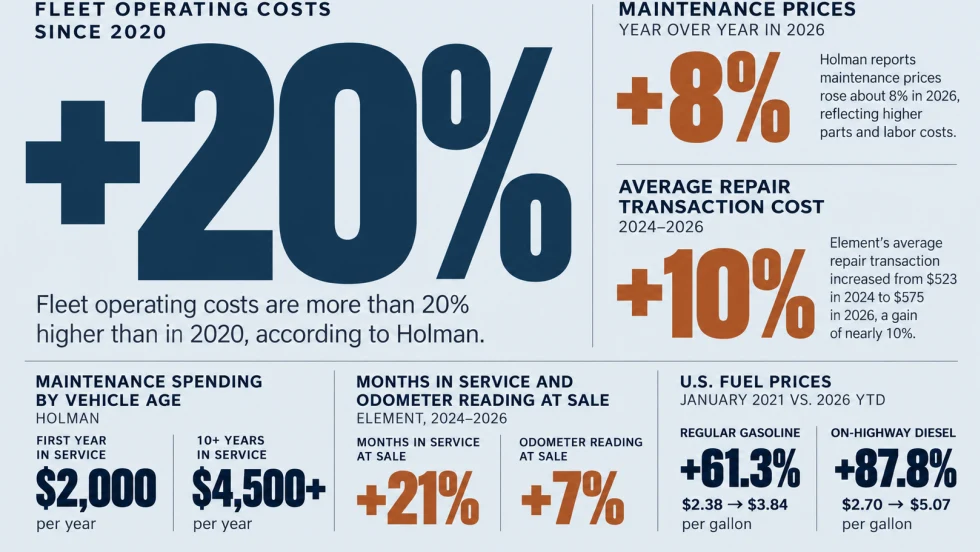
Managing Fleet Costs in an Era of Permanent Volatility
Fleet operating costs have risen more than 20% since 2020, raising a key question: When does extending a vehicle's service life stop making financial sense?
Read More →
The Next Evolution of Fleet Management: Autonomous Operations
This opening keynote session at the Fleet Forward Conference highlights the future of autonomous driving for fleets.
Read More →
How to Reduce the Total Cost of Risk From Catalytic Converter Theft
A stolen catalytic converter can cost fleets far more in downtime and lost productivity than in repairs. A total-cost-of-risk approach can help fleet managers quantify their exposure and prioritize theft prevention.
Read More →

Personal-Use Charges Rise as Vehicle Values Fall | AF News Recap
Personal-use charges are climbing, wholesale used-vehicle values are declining, and commercial fleet sales growth is slowing. This week, we're breaking down the latest fleet data, plus how Element Fleet Management is helping Waymo prepare for its first Canadian robotaxi market.
Read More →
Here's When You Should Make an Exception to Fleet Policy
Fleet policies are designed to create consistency, but not every driver or situation fits neatly within standard rules.
Read More →
AI-Native or AI-Acquired: What Should Fleet Managers Look for in an AI Platform?
Six questions can help fleet managers look beyond AI marketing claims to evaluate integration, data access, and real-world operational performance.
Read More →
Sponsored•October 14, 2026
A buyer's guide to fleet management software in 2027
Buying fleet management software in 2027 means looking beyond features and price. As fleet operations, technology and expectations evolve, this guide explores what today’s fleet professionals should consider when choosing a system that can deliver value now and adapt to what comes next.
Read More →
What Will Shape the Next Era of Fleet Management?
EVs, AI, and autonomous vehicles are reshaping fleet management. Discover what’s ahead—and how fleet leaders can prepare for the next era.
Read More →
How Fleets Can Recruit and Train Veterans for Technician Roles
Here's how the technician shortage has affected uptime for fleets, and what to do about it.
Read More →
Avis Budget Group Deploys Neology Toll Management Technology Across Major Brands
Neology’s neoFleet platform will manage toll transactions and toll-authority operations for vehicles across Avis, Budget, Payless, Budget Truck and Zipcar.
Read More →