




Volvo Group Introduces Fourth-Generation Hybrid Solution
STOCKHOLM, SWEDEN – The Volvo Group is now introducing the fourth-generation hybrid solution on a broad front in buses, trucks, and construction equipment.
STOCKHOLM, SWEDEN – The Volvo Group is now introducing the fourth-generation hybrid solution on a broad front in buses, trucks, and construction equipment.
“Our hybrid solution for heavy vehicles is completely different from anything that has existed in the market to date,” says Leif Johansson, president and chief executive officer of Volvo Group. “As a result of our volumes and resources, we have succeeded in developing a more standardized platform solution, which is a prerequisite for the hybrid technology’s ability to have a widespread commercial impact in the market for heavy vehicles.”
Volvo has been testing various types of hybrid solutions since the 1980s, and Volvo Group unveiled the first commercially viable hybrid solution for heavy vehicles in March 2006. Volvo’s solution is based on a concept known as I-SAM (Integrated Starter, Alternator Motor). This solution entails that an electric motor and a diesel engine work in parallel, whereby each of them can be used in the areas where they are most effective. This increases the capacity compared with series hybrids, while reducing fuel consumption and improving driving characteristics — simultaneously.
“This is what we call the fourth-generation hybrid technology,” Johansson said. “In a few years’ time, hybrid technology will no longer be a special solution but a technology found in most new city buses and distribution trucks. The fourth-generation hybrid technology has the potential to make such a development possible.”
The favorable commercial prospects for the Volvo Group’s hybrid technology derive from the fact that it is based on a platform solution containing a large number of standard components. The solutions that have existed in the market to date, and that the Volvo Group itself has been offering, have been based on a large proportion of special components. This has impeded volume manufacturing and led to the vehicles becoming much more expensive than the equivalent standard vehicles. Another advantage generated from an adaptable platform solution, such as the one that the Volvo Group has access to, is that it can be used for a variety of different products and applications, which further increases the volumes and reduces production costs.
“Volvo believes that the prospects are favorable for developing hybrid technology for all heavy vehicle segments, everything from buses and construction equipment to trucks for distribution and long-haul traffic,” Johansson added.
More Green Fleet
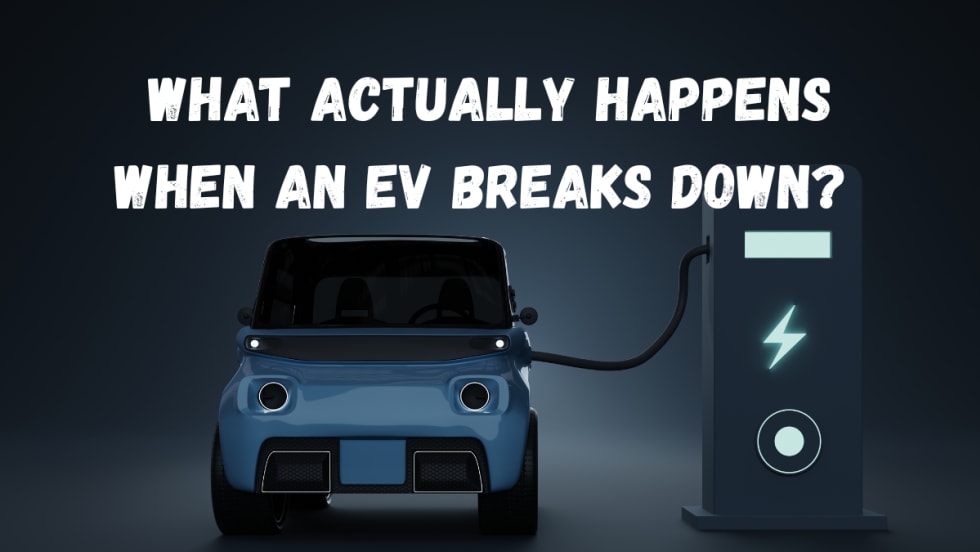
The EV Breakdown Nobody's Talking About: Why Most Electric Vehicle Roadside Calls Aren't Mechanical Failures
Here's why EV breakdowns are widely misunderstood.
Read More →
ChargePoint Now Available in Energy Pass
ChargePoint and additional planned charging network integrations were added to GM's Energy Pass.
Read More →
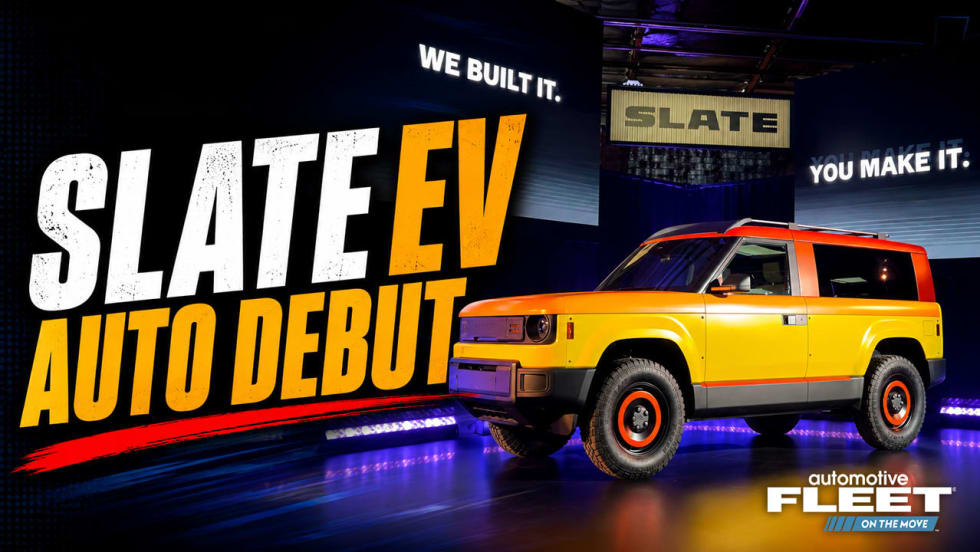
First Look: Slate Auto's Electric Fleet Pickup
Could an affordable, modular EV pickup make electrification more practical for fleets?
Read More →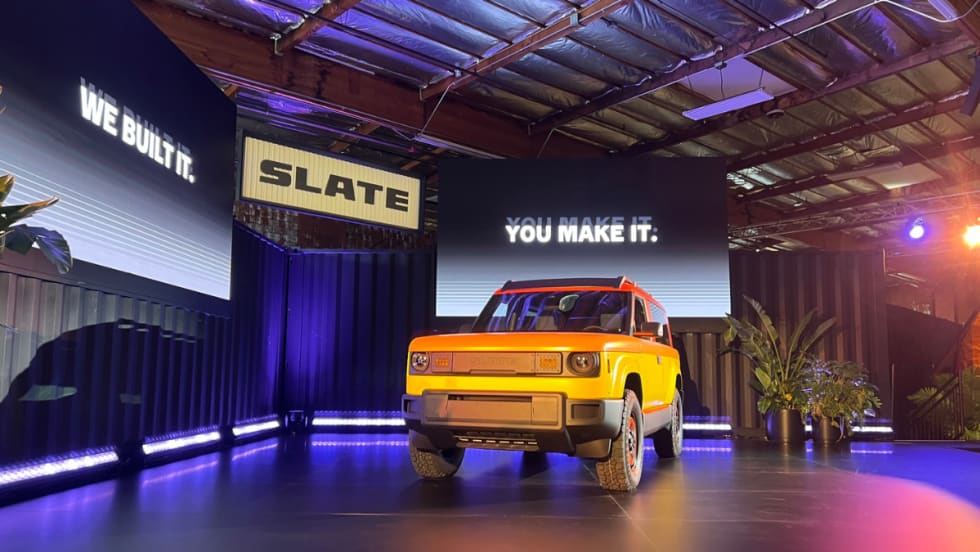
Slate Debuts Colorful, Unique EV Models
A recent media and client event, studded with electric vehicles dressed up on platforms, planted a new position for the manufacturer in the wider EV market. Fleets will find cost-saving advantages.
Read More →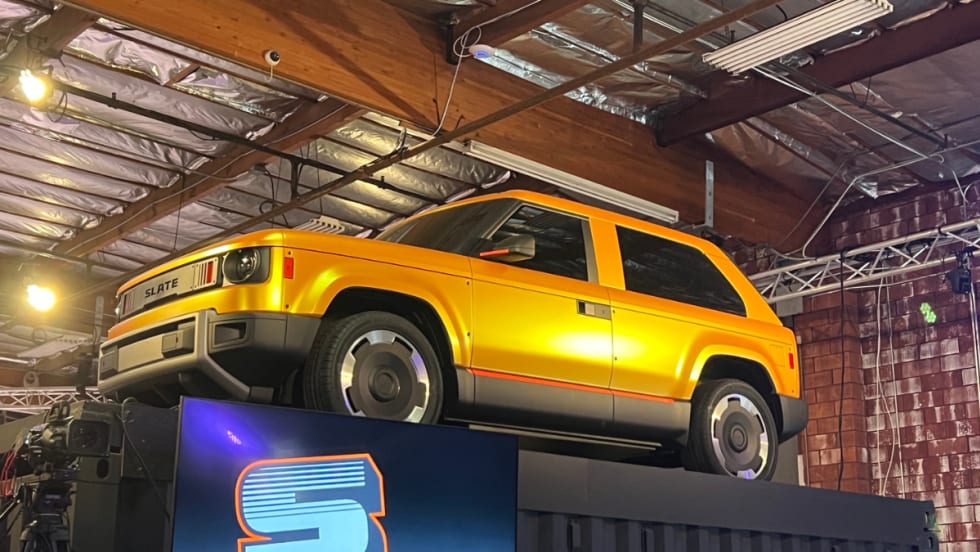
Slate Electric SUV, Pickup Switchable Model Aims For Light-Duty Fleets
Everything about this EV is counterintuitive and understated, making it stand out from the crowd.
Read More →
Inspiration Mobility Acquires Key Electrada Assets
Inspiration Mobility Group has acquired select assets of Electrada, adding the fleet electrification provider's team, technology, and charging infrastructure development capabilities to its energy management business.
Read More →
Turning Connected Vehicle Data Into Decisions That Matter
Fleet leaders have more data than ever, but turning that data into clear, actionable decisions remains a challenge. This white paper shows how leading organizations are using connected vehicle data to improve safety, reduce costs, and optimize fleet performance. Learn how to turn insight into action across your fleet.
Read More →
Are You Tracking Your Fleet's True Total Cost of Ownership?
Bobit Business Media surveyed 190 fleet professionals and found that while most fleets are tracking costs, fragmented systems and data gaps are keeping true TCO visibility out of reach. With rising pressure to control spend in an increasingly volatile environment, the gap between what fleets think they know and what the data actually shows is wider than you might expect. See how your peers are managing costs today and where the industry still has room to improve.
Read More →
Hybrids: Electrification Without the Challenges
For fleet managers, fuel is one of the biggest line items in the budget — and it's one hybrids can shrink without changing how your people work. Download the eBook to see the numbers, understand the technology, and get a step-by-step guide to making the switch.
Read More →