




Volkswagen Reveals New 43 MPG Passat TDI for U.S. Market
Wolfsburg / Herndon / Detroit - Volkswagen of America, Inc., announced the debut of its new Passat TDI, in addition to two other sedan models, for the U.S. marketplace. The company said it developed a new, larger body style for all three models in addition to a range of powertrain choices. VW stated that it plans to announce final pricing in the spring but that it will start at around $20,000.
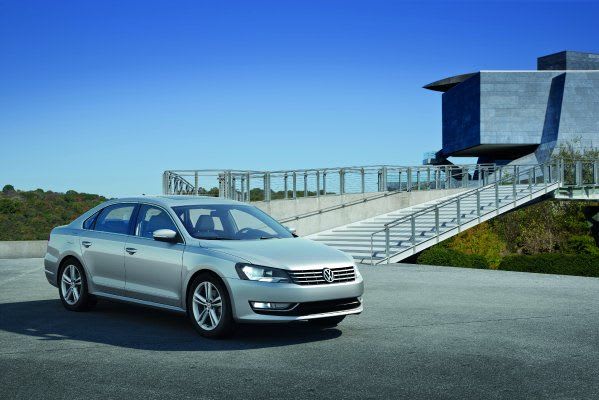
The Passat.
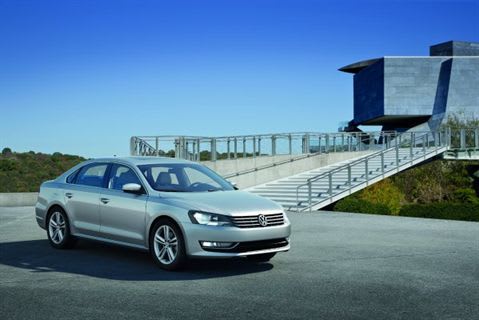
Wolfsburg / Herndon / Detroit - Volkswagen of America, Inc., announced the debut of its new Passat TDI, in addition to two other sedan models, for the U.S. marketplace. The company said it developed a new, larger body style for all three models in addition to a range of powertrain choices. VW stated that it plans to announce final pricing in the spring but that it will start at around $20,000.
Engine and Performance
VW said its Passat provides three powertrain options: a 2.5L gasoline engine, a 2.0L TDI Clean Diesel engine and a 3.6L VR6. The 2.5L five cylinder engine (170 hp/177 lb.-ft.), which VW said the company is offering in the Passat for the first time, will work with a standard 5-speed manual transmission. As an alternative, a buyer can choose a model that pairs the 2.5 multi-port injection engine with a 6-speed automatic transmission.
For the four-cylinder 2.0L TDI Clean Diesel (140 hp/236 lb.-ft.), VW said the engine gets 43 miles per gallon on the highway, with a range of approximately 800 miles. The TDI Clean Diesel engine comes equipped with a NOx storage catalytic converter to reduce emissions (the engine meets emissions requirements in all 50 states). Optional on the Passat TDI is Volkswagen’s 6-speed DSG transmission.
The 3.6 liter VR6 (280 hp/258 lb.-ft.) gets 28 mpg and uses a 6-speed automatic dual-clutch system that instantly engages and disengages gears without the need for a clutch pedal.
Safety Features
VW said the Passat will come in three trim levels, S SE and SEL, with a total of 16 equipment levels. When it comes to safety features, the Passat offers VW’s Intelligent Crash Response Systems, which are designed to initiate automatic safety measures in a collision, for example shutting off the fuel supply and high-consumption electronic equipment, unlocking the doors, disconnecting the battery terminal from the alternator cable and switching on the hazard light. Other safety features include a tire-pressure monitoring system, the ESP electronic stabilization program, ABS with braking assistant, Hill Climb Assist (with the manual transmission, six airbags and a rigid body structure for additional protection.
Interior Space
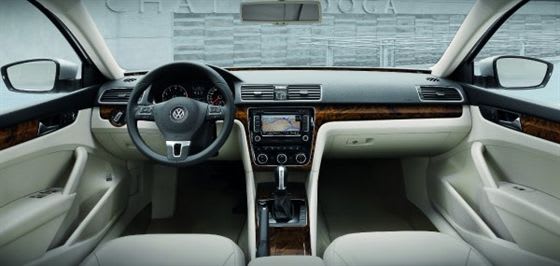
The new, larger Passat is 191.7 inches long and has a 110.4 inch wheelbase, which translates into an increase in rear seating space. The automaker said the instrument panel is similar to that of Volkswagen’s new Touareg.
Convenience Features
All three models of the Passat offer the following features as standard, according to Volkswagen:
Automatic climate control
Power windows all around
Air conditioning
Insulating glass
Analog clock
Cruise control
Outside temperature display with frost warning
Radio-CD system (MP3-capable, plus external audio input)
Bluetooth connectivity
Premium Options
Power seat adjustment
Leather-trimmed multifunction steering wheel
Touch screen Satellite Radio
Choice of Volkswagen’s RNS 510 or RNS 315 navigation systems
Front fog lights with static cornering lights
New ambiance lighting
Memory driver’s seat
Power passenger seat
Keyless access with push-button start
17- and 18-inch alloy wheels
Leather
Wood décor
More Operations

What's Best Handled by an FMC, and What's Better Done Directly?
Fleet managers continue to rely on FMCs for essential services but are taking a closer look at where working directly with suppliers can improve efficiency and responsiveness.
Read More →
Fleet Meets: Erin Gilchrist
Meet Erin Gilchrist, the inaugural Mike Antich Spirit of Fleet Award winner, as she shares insights on leadership, mentorship, the power of industry connections, and why people remain at the heart of fleet's future.
Read More →
How 2026 Fleet Visionary Jamie McKay Manages 2,400 Vehicles Across 37 States
How do you keep 2,400 vehicles running across 37 states? Fleet Visionary Award winner Jamie McKay shares how collaboration, flexibility, and a few simple strategies help her tackle fleet management challenges at Aptive Pest Control.
Read More →

Managing Fleet Costs in an Era of Permanent Volatility
Fleet operating costs have risen more than 20% since 2020, raising a key question: When does extending a vehicle's service life stop making financial sense?
Read More →
The Next Evolution of Fleet Management: Autonomous Operations
This opening keynote session at the Fleet Forward Conference highlights the future of autonomous driving for fleets.
Read More →
How to Reduce the Total Cost of Risk From Catalytic Converter Theft
A stolen catalytic converter can cost fleets far more in downtime and lost productivity than in repairs. A total-cost-of-risk approach can help fleet managers quantify their exposure and prioritize theft prevention.
Read More →
Personal-Use Charges Rise as Vehicle Values Fall | AF News Recap
Personal-use charges are climbing, wholesale used-vehicle values are declining, and commercial fleet sales growth is slowing. This week, we're breaking down the latest fleet data, plus how Element Fleet Management is helping Waymo prepare for its first Canadian robotaxi market.
Read More →
Here's When You Should Make an Exception to Fleet Policy
Fleet policies are designed to create consistency, but not every driver or situation fits neatly within standard rules.
Read More →
AI-Native or AI-Acquired: What Should Fleet Managers Look for in an AI Platform?
Six questions can help fleet managers look beyond AI marketing claims to evaluate integration, data access, and real-world operational performance.
Read More →
A buyer's guide to fleet management software in 2027
Buying fleet management software in 2027 means looking beyond features and price. As fleet operations, technology and expectations evolve, this guide explores what today’s fleet professionals should consider when choosing a system that can deliver value now and adapt to what comes next.
Read More →